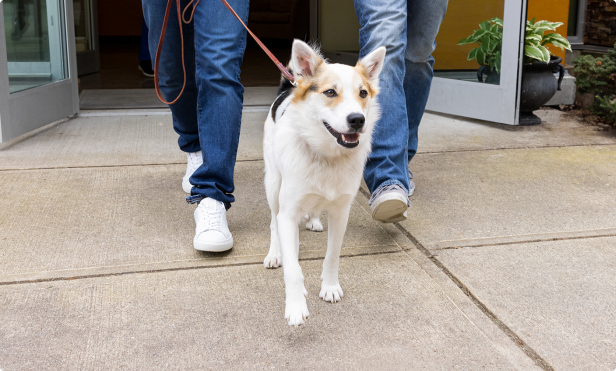
Dogo Argentino Dog Breed Guide

The dogo Argentino dog breed is the stuff of legends: a pure-white hunter that once tracked wild boar through Argentina’s forests now divides its time patrolling the perimeter of your yard and impersonating an oversized lapdog. If you are looking for a canine athlete who is fearless, smarter than they let on, and lovey-dovey with their family, the dogo Argentino could be for you.

Best for: Experienced dog parents who enjoy training, outdoor activity and daily engagement with a loyal, high-drive companion.

Less suitable for: Apartment living, homes with small children, frequent visitors, inexperienced pet parents unfamiliar with guard breeds.


Energy Level

Energy Level

Prey Drive

Prey Drive

Drooling

Drooling

Shedding

Shedding

Barking

Barking

Trainability

Trainability

The Origins of the Dogo Argentino

The history of the dogo Argentino dog breed started in the 1920s when an Argentinian doctor named Antonio Nores Martínez decided to create the ultimate guard dog/big-game hunting dog. Martínez was intent on creating a powerful, brave and balanced dog breed that could work in packs, pursue wild animals that could fight back and also function as a loyal family protector. By combining several breeds, including the now-extinct Cordoba fighting dog, pointer, great Dane, Pyrenean mastiff, Irish wolfhound, Spanish mastiff, boxer and bulldog, Martínez created the dogo Argentino: a courageous, strong dog that can hunt in packs and have the stamina to run miles but is also even-tempered and loyal. 

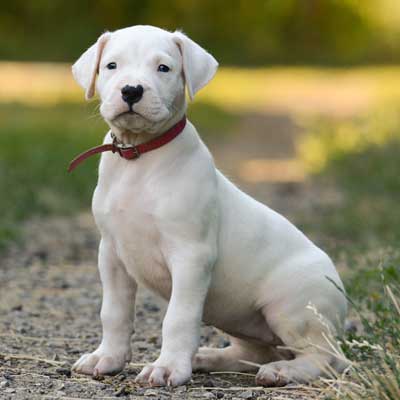
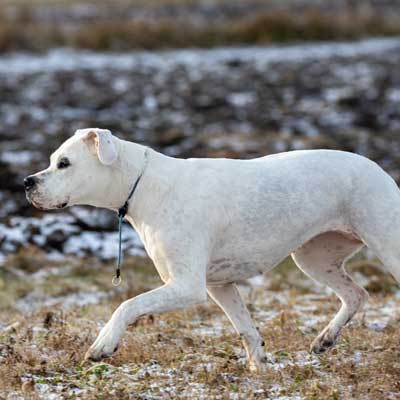
Two physical characteristics make the dogo unique: The breed is completely white and their skull is symmetrical in length from front to back. These proportions give the dogo one of the largest and most powerful bites on the planet.

The breed was recognized by the Fédération Cynologique Internationale (FCI) in 1973 as the first and only dog of Argentinian descent, and by the American Kennel Club in 2020 as part of the Working Group. There is also a Dogo Argentino Club of America.1,2

Breed AttributeAttribute Details
Group/ClassWorking Group (AKC), Guardian Dog Group (United Kennel Club)
Club Recognition AKC in 2020, FCI in 1973, UKC in 2001
Instincts, Function, and PurposeDogo Argentinos were bred to work in packs, pursuing wild animals that could fight back, and also function as a loyal family protector.
AdaptabilityDogos thrive when they are in close proximity to their pet parents.
Breed StandardsDogo Argentino Club Official Standards, UKC Official Standard

Nutrition for the Dogo Argentino

The dogo Argentino dog breed is a large, muscular athlete with high energy demands and a lean, chiseled physique. Nutrition supports muscle maintenance, joint health and energy. Dogos are powerful but also can be prone to unhealthy weight gain if they are fed too much or exercised too little. 

Nutrients

Look for a complete and balanced dog food that will provide your dogo with all the nutrients they to suit their lifestyle. Dogos may benefit from foods enriched with omega-6 fatty acids to support their skin and coat, prebiotics to support healthy digestion and omega-3 fatty acids to support their brain, joints and kidneys.

Life Stage Considerations

Puppies: Dogo Argentinos are large-breed dogs that have specific nutritional requirements while they are growing. Puppies benefit from large-breed puppy food formulated with a precise calcium-to-phosphorus ratio to support skeletal development.

Adults: To maintain health, feed adult dogos a complete and balanced food that provides all essential nutrients in a highly digestible formula and helps to maintain lean muscle and metabolism. 

Seniors: Aging dogos may experience slower metabolism, mobility changes and decreased digestive capabilities. Complete and balanced food formulated with ingredients like fish oil can support joint comfort and internal organ health. Dog food that is highly digestible is also a good idea for older dogs.

Weight management and joint support: Keeping your dogo Argentino at a healthy weight helps support their joints. Limit treats to less than 10% of daily calories. Measuring portions with a kitchen gram scale can help. Ask your veterinarian about your dog’s ideal weight and body condition, estimated daily calorie targets, and safe weight-loss strategies if necessary.

Dogo Argentino Dog Breed Characteristics

The dogo Argentino is a powerful, athletic breed bred for big-game hunting. They are known for their courage, intelligence and unwavering loyalty. Despite their strength and intensity in the field, the dogo is affectionate, steady and deeply bonded to their family and does best under experienced guidance and consistent training.

Appearance and Physical Traits

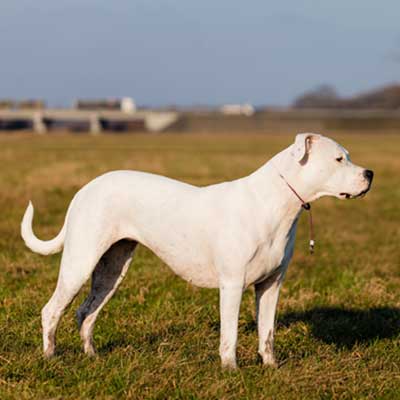
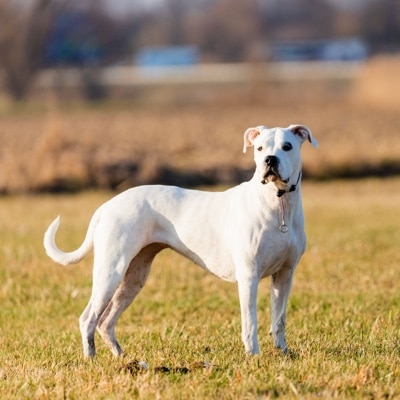
The dogo Argentino is a large, muscular dog with a strong, balanced build that reflects both endurance and agility. Their short, smooth white coat highlights the breed’s athletic physique and helps protect against heat during outdoor activity. With a broad head, high-set ears that are traditionally cropped and a thick, tapering tail, the dogo Argentino presents a confident, commanding presence that embodies its working heritage.

Physical TraitsTrait Details
Breed SizeLarge
CoatShort and smooth
ColorsWhite
Tail and EarsThick, tapered tail; ears high-set, traditionally cropped, otherwise triangular-shaped and medium-sized
Height24 to 26.5 inches (males are usually taller than females)
Weight80 to 100 pounds (males are usually heavier than females)1
Life Expectancy9 to 15 years

Dogo Argentino Temperament and Personality Traits

At their core, the dogo Argentino is a loyal and protective family dog. These dogs are known to be devoted, attentive and affectionate toward their people. Their heritage means that they naturally guard family members who they consider part of the pack. They will typically bond closely with one person but are still loyal and affectionate with everybody in the pack. This breed is typically wary of strangers until they decide the coast is clear. Their protective nature tends to manifest with watchful behavior, rather than true aggression. Consistent training and socialization can help modulate their protective tendencies.

These dogs are happiest when they are with you. They don’t like to be left alone for long periods of time, and while they aren’t clingy, they do appreciate physical contact. They are known as “leaners” — if you know, you know. 

The dogo Argentino is known to have a prey drive, but it isn’t typical of what you would see with, say, a Labrador who goes randomly chasing after every squirrel. Dogos were bred to stalk, track, work in packs and corner big, dangerous prey in Argentina. They may stalk quietly, then spring forward with impressive speed and precision. Due to their prey drive, it is recommended to keep them on a leash and only let them run in securely fenced areas.

Dogos are calm, protective dogs by nature, which makes them a great guard dog. However, they need early coaching from you or a professional trainer to help them discriminate between “safe” and “unsafe." Their guarding behaviors can look like door blocking, watching windows and putting themselves between family members and guests. Structure, consistency and mutual trust bring out the best in this breed. 
Personality and Temperament Trait Scale

Traits are on a scale of 1 to 5, with 1 being the least and 5 being the most.

Personality TraitTrait Scale
Energy Level4 - High Energy
Prey Drive5 - Very High Drive
Drooling2 - Low Drooling
Shedding2 - Low Shedding
Coat Maintenance1 - Very Low Maintenance
Barking2 - Quiet
Social Tendencies3 - Balanced
Trainability3 - Moderately Trainable

Note: These rankings describe general tendencies. Dogs, like people, are individuals and their behavior and personality can vary based on genetics, environment, health, and training.

Lifestyle Compatibility

Before adopting any breed of dog, it's a good idea to speak to a veterinarian to determine if their health and care needs fit with your household, budget and lifestyle. Understanding common veterinary needs can also help you decide if they are a good fit for your home.

Best for: Experienced dog parents who enjoy training, outdoor activity and daily engagement with a loyal, high-drive companion.

Good with: Active families with older children, secure fencing and time for training, socialization and intentional exercise. Always monitor children around dogs.

Less suitable for: Apartment living, homes with small children, frequent visitors, inexperienced pet parents unfamiliar with guard breeds.

Exercise Needs and Appropriate Activities

The dogo Argentino was bred to chase wild boar across rough terrain. This means exercise isn’t optional; it’s part of their DNA. Dogos need 60 minutes of daily physical and mental work. Ideal activities include brisk leash walks or off-leash runs in safe, fenced areas; scent work; tracking exercises; obedience training; recall games; problem-solving tasks; swimming; hiking; hill walking and fetch.

Mental enrichment activities include puzzle feeders and structured games. “Structured” means the game has rules, goals and a clear beginning and end. Structured games leave the dogo mentally tired, physically content and emotionally regulated — the trifecta for a peaceful dogo.

Puppies and adolescents should avoid repetitive jumping or long-distance running until their joints mature, which can take 18 to 24 months. For all ages, consistent routines and calm leadership prevent overexcitement and keep their guardian instincts in check. A fulfilled dogo Argentino is calm, confident and deeply content.

Training

Training the dogo Argentino dog breed means you are partnering with a thinker, not commanding a follower. They respond best to positive reinforcement, consistency and clear direction. Their intelligence and independence can feel challenging, but they’re highly responsive to calm authority. If leadership is absent, however, they’ll step in, and that’s a role reversal you don’t want. 

For best results, start early training with things like basic obedience, name recognition, recall, loose-leash walking, calm greetings, impulse control and focus around distractions. Be sure to focus on visitors, children, other pets and new places, especially the vet practice and groomer.  

The dogo Argentino is moderately food-motivated. When teaching new behaviors, be sure to use tiny, gulpable high-value treats. Short, engaging sessions with rewards for effort and success can help keep their focus and strengthen your bond. Remember that their goal is to cooperate with someone they trust. When you earn that trust, they’ll move mountains for you.

Dogo Argentino Health and Wellness

The dogo Argentino is generally a robust, healthy breed, but like all large dogs, they benefit from proactive care and health screening. Maintaining a lean body condition with weight management, feeding complete and balanced nutrition, making routine veterinary visits and supporting joints are key to lifelong wellness.

Dogo Argentino Potential Health Issues

Developmental joint disorders: All large-breed dogs are at some risk for joint disorders, including the dogo Argentino. The most common are hip and elbow dysplasia. Controlled growth, responsible breeding, early screening, appropriate puppy nutrition and exercise and lean body condition all help support healthy joint development. Talk to your veterinarian about the appropriate time to spay or neuter for joint health. 

Congenital deafness: This is a well-documented issue associated with the white coat and lack of pigment in the inner ear. Responsible breeders test puppies early using BAER (Brainstem Auditory Evoked Response) screening.4

Pigment-related skin sensitivity: The dogo’s pink skin and white coat may be more susceptible to secondary skin irritations, sun‐induced damage and environmental exposure than other breeds. Limit intense sun exposure and use veterinarian-approved sunscreens if outdoors for extended periods. If you notice red skin or excess itching, talk to your veterinarian. 

Eye disorders: Several inherited eye diseases, including entropion, persistent pupillary membranes and cataracts, are documented in the dogo. Treatment is available. Responsible testing of dogs helps identify carriers. Have your dog screened early and annually by your veterinarian to detect any issues early.5

Grooming Needs

The dogo Argentino’s short, smooth coat is low-maintenance, and they don’t have an undercoat, so there is no seasonal shedding. They do, however, continuously release small amounts of short white hairs year-round. Weekly brushing with a soft mitt removes loose hair and redistributes skin oils. Bathe as needed with a gentle shampoo.

Check ears weekly for debris or redness and talk to your veterinarian about ear cleansers if your dog is a swimmer. Trim nails every few weeks and brush teeth daily with a dog-specific toothpaste for good dental health. Check your dogo for red skin on days that they are outdoors and limit outdoor time when the sun is strongest. There are dog sunscreens that are safe and nontoxic that you can apply to their muzzle, ears or belly, where hair is the thinnest.  

Is a Dogo Argentino Your New Furry Friend?

If your concept of canine perfection is muscles, loyalty and a touch of thunder, the dogo Argentino dog breed could be your match. They thrive with purpose: think a morning walk, a dependable routine and someone worth guarding. Give them the activity and enrichment they crave, the veterinary care and nutrition and need and the love and action they live for. In return, you’ll get a guardian with a hero’s heart, a roommate who snores like an engine and a friend who thinks keeping you safe is the world’s most sacred mission.

Resources For New Pet Parents

Get expert tips for a long and happy life with your new best friend.

New dog guide

Dogo Argentino Dog Breed FAQs

Absolutely. The dogo Argentino breed was created for stamina and drive, and they need 60 minutes of daily structured physical and mental activity to be happy and healthy.

They can be, with early socialization and careful supervision. The dogo Argentino’s heritage as a big-game hunter means a strong prey drive is part of their programming, so introductions to smaller animals should be gradual, positive and supervised.

Not much. The short, smooth white coat sheds lightly year-round. Weekly brushing keeps them clean and distributes natural oils, making them one of the easier large breeds to maintain.

Usually not. The dogo Argentino is intelligent, powerful and instinctively protective. These traits shine under experienced, confident leadership and can easily overwhelm a novice handler.

They can be polite but cautious. The dogo Argentino’s default setting is observe first, decide later. With consistent socialization, however, they can learn to stay calm and neutral around guests.

References

  1. American Kennel Club. “Official Standard of the Dogo Argentino.” Accessed October 29, 2025. https://images.akc.org/pdf/breeds/standards/Dogo_Argentino.pdf.

  2. Dogo Argentino Club of America. “Home | Dogo Argentino Club of America.” Accessed October 30, 2025. https://www.dogousa.org/.

  3. Glickman, L. T., N.W. Glickman, D. B. Schellenberg, M. Raghavan, and T. Lee. “Non-Dietary Risk Factors for Gastric Dilatation-Volvulus in Large and Giant Breed Dogs.” Journal of the American Veterinary Medical Association 217, no. 10 (2000): 1492–1499. https://pubmed.ncbi.nlm.nih.gov/11128539/.

  4. Strain, George M. “Congenital Sensorineural Deafness in Dogo Argentino Dogs: Prevalence and Phenotype Associations.” Veterinary Record 188, no. 9 (2021): e299. https://doi.org/10.1002/vetr.299.

  5. European College of Veterinary Ophthalmologists (ECVO). Known and Presumed Hereditary Eye Diseases (KP-HED) in Dogs and Cats: Dogo Argentino. (2023): https://www.ecvo.eu/media/dogoargentino.pdf.

Dr. Sarah Wooten Dr. Sarah Wooten

Dr. Sarah Wooten graduated from UC Davis School of Veterinary Medicine in 2002. A member of the American Society of Veterinary Journalists, Dr. Wooten divides her professional time between small animal practice in Greeley, Colorado, public speaking on associate issues, leadership, and client communication, and writing. She enjoys camping with her family, skiing, SCUBA, and participating in triathlons.