
Urinary health for dogs
Urinary health for dogs
“Why is my dog peeing everywhere?”
While many dogs’ urinary issues may be treated and cured with assistance from your vet — including urinary tract infections (UTIs) and struvite stones — there are some instances where your dog’s urinary condition may require lifelong care. In particular, dogs who experience calcium oxalate crystals might face a long-term challenge. Fortunately, therapeutic urinary dog food can play an important role in not only helping to dissolve struvite stones, but also to manage urinary conditions by helping to manage future flare-ups.
As part of a comprehensive care plan including medication, therapeutic dog food for urinary health can help dogs get back to their day-to-day lives so they can rejoin the family.
Signs to watch for
As stressful as your dog’s urinary issues can be for you, they are often just as painful for them. Look out for these signs and contact your vet if you suspect your pet may be suffering from a urinary disorder.

These can all be clues that something’s off with your dog’s urinary health, and that it’s time to make a vet appointment.
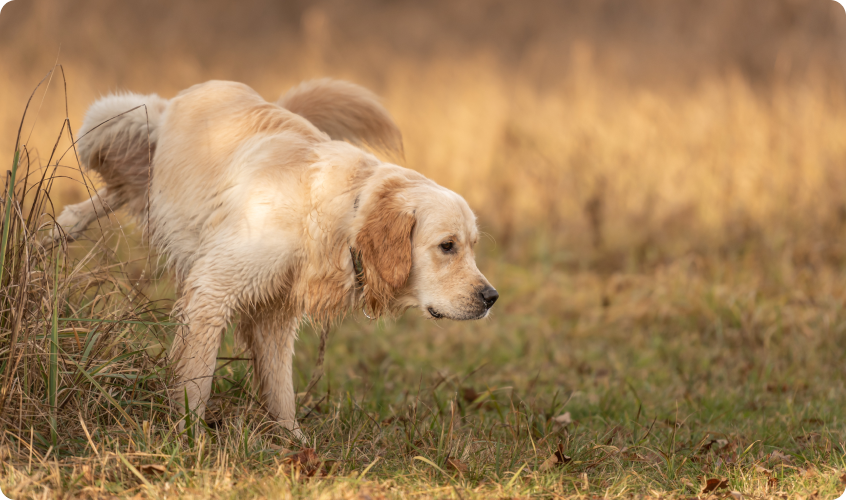
What causes urinary problems?
There are a number of urinary conditions that could affect your pet, including bladder infections in dogs, struvite stones and calcium oxalate stones. Depending on your dog’s diagnosis, treatment can vary on a case-by-case basis, but urinary care dog food is generally an important part of their long-term care to help manage future urinary issues.
Dog bladder stones are collections of mineral crystals that combine together to form a stone in the urinary bladder. Less often, stones may form in the kidneys.
These infection-induced (common) or non-infection-induced (rare) bladder stones can lead to irritation and pain for your dog.
Another type of dog bladder stone is composed of calcium oxalate. Most often these stones are found in the urinary bladder. While calcium oxalate stones usually are not associated with infection, they can also lead to irritation of the bladder and discomfort for your dog.
What can you do?
When it comes to urinary conditions, there is no one-size-fits-all solution. That’s why it’s important to work closely with your veterinarian to determine the best course of action for your dog’s unique needs.
In general, dogs diagnosed with urinary disorders benefit from a comprehensive approach that may consist of everything from urinary dog food to medication and even surgery, if needed. But remember, even with the best treatment, some dogs may have recurring signs or periodic episodes.
Medication
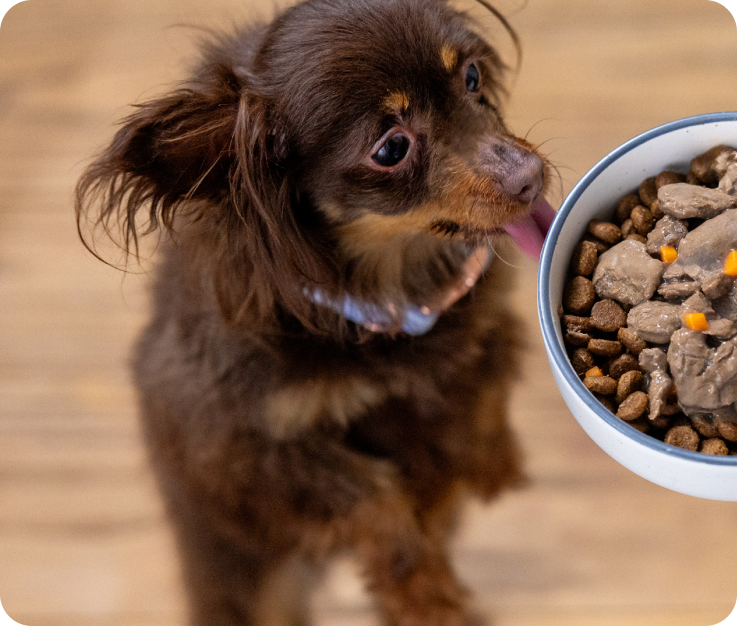
Depending on your dog’s particular needs, a veterinarian may prescribe antibiotics (in the case of UTIs) or medication to help your dog manage any pain associated with their stones while you get them on the right track with a urinary dog food to help dissolve stones and manage future recurrences.
Nutrition
If you are looking for the best dog food for urinary health, look for a food that moderates their intake of certain minerals like calcium, phosphorous and magnesium that can cause crystals to form in the urine.
Medication
Depending on your dog’s particular needs, a veterinarian may prescribe antibiotics (in the case of UTIs) or medication to help your dog manage any pain associated with their stones while you get them on the right track with a urinary dog food to help dissolve stones and manage future recurrences.
Nutrition
If you are looking for the best dog food for urinary health, look for a food that moderates their intake of certain minerals like calcium, phosphorous and magnesium that can cause crystals to form in the urine.
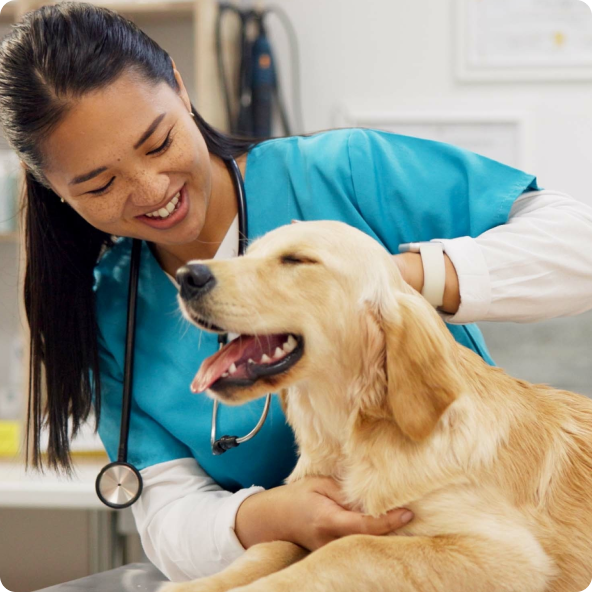
Ask your veterinarian how nutrition can help
Schedule an appointment for your pet and see how a therapeutic pet food can help your pet feel better.
Ask your veterinarian how nutrition can help
Schedule an appointment for your pet and see how a therapeutic pet food can help your pet feel better.
Related products
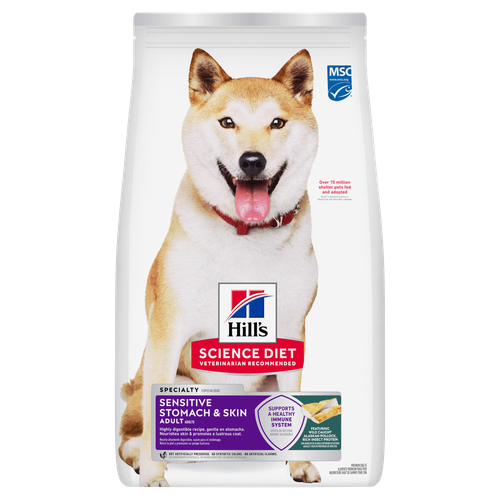
Adult Sensitive Stomach & Skin Pollock Meal & Insect Recipe Dog Food
Science-backed nutrition tailored for skin and digestive health, packed with clinically proven, immune system supporting antioxidants.
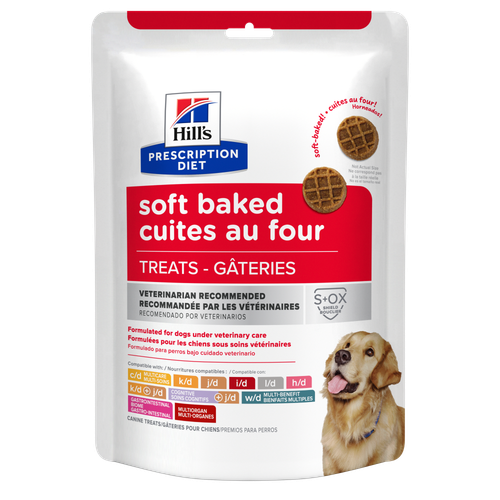
Soft Baked Chicken Flavor Dog Treats
Healthy soft baked chicken flavor dog treats are a delicious complement to many Prescription Diet Dog Foods

Adult Perfect Weight & Joint Support Chicken & Brown Rice Recipe Dog Food
Over 70% of dogs lost weight within 10 weeks when fed this nutrition (USA Study)
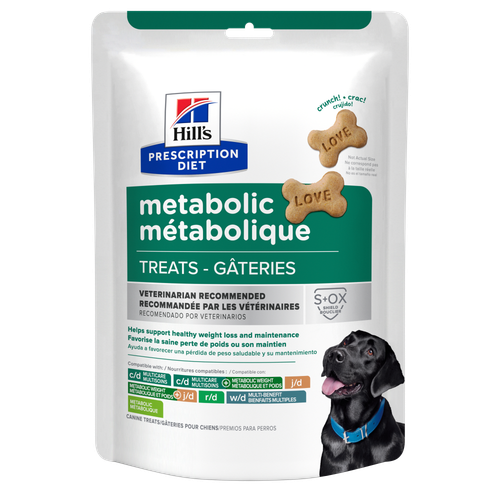
Metabolic Dog Treats
Metabolic Treats to help support healthy weight loss and weight maintenance, and are a great complement for dogs being fed other Prescription Diet weight loss or maintenance canine food.
Related articles

Blood in Dog Urine: What Should You Do?
Learn the details about blood in your dog's urine, if it's a serious condition, the common urinary causes and how your veterinarian might treat it.

Why Is My Dog Not Peeing?
If your dog won't pee, it could indicate anything from stress, bladder stones, kidney issues, to an emergency. Discover the causes and what to do here.
Essential Vitamins Needed for Dogs
Learn all about key vitamins for dogs and how they support canine health, from vitamin C for dogs' immune function to vitamin A for dogs' eyes.
How Proper Dog Oral Care Leads to Healthy Dog Teeth
Are you paying enough attention to dog oral care? Learn some great ways to keep your dog's teeth & gums healthy, including a guide for brushing his teeth.