
From stiff joints to smooth jumps
From stiff joints to smooth jumps
Is joint pain slowing your dog down?
Joint pain is often a result of cartilage wear and tear that comes from conditions like osteoarthritis (OA) — a painful, progressive condition — or the normal wear down that happens as a dog ages. Whatever the cause, joint pain can get in the way of your dog’s mobility.
Signs of joint pain
Because dogs can’t tell us when they’re in pain, joint issues often go unnoticed until there’s permanent damage. Talk to your vet early if you spot clues that your dog might be struggling with mobility loss:

What causes joint pain?
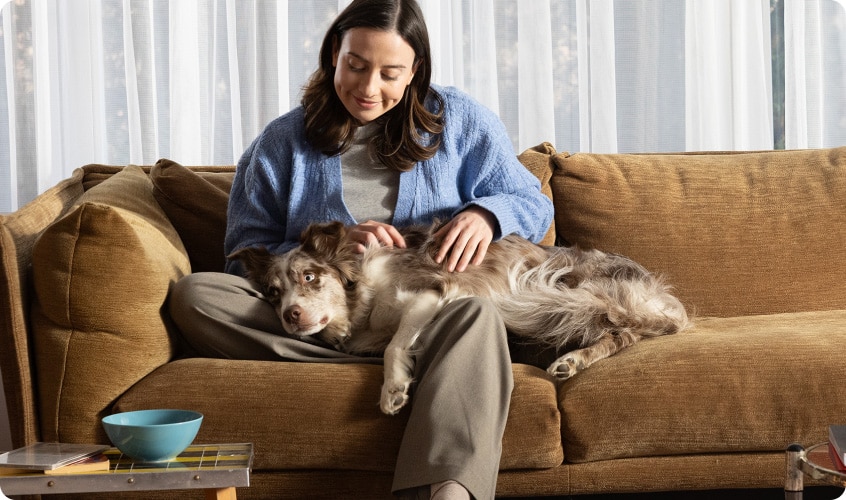
Joint pain happens when your dog’s cartilage wears down until it’s not providing enough cushioning for their joints. This happens naturally as dogs age — which is why it’s extra important to keep an eye on senior pets — but some things can make cartilage wear down faster.
OA is a progressive condition where cartilage breaks down, causing your dog pain and making it harder for them to move. Cartilage wearing down is permanent, so it’s important to catch OA as early as possible to help keep your dog's joints healthy
Cartilage wears down naturally through daily life, but injuries and accidents can make it break down faster and lead to joint stiffness.
The more your dog weighs, the more stress it puts on their joints. Keeping your dog healthy with good nutrition and enough exercise helps stop cartilage from wearing down as fast
Certain dog breeds are more likely to lose mobility early on, especially breeds that are prone to conditions like osteoarthritis or hip dysplasia.
What can you do?
Because wear on joint cartilage is permanent, catching joint pain early is critical so your vet can intervene and help prevent extensive damage that severely limits your dog’s mobility. Once identified, your vet can help you create a management plan for your dog. This can include:
Weight management
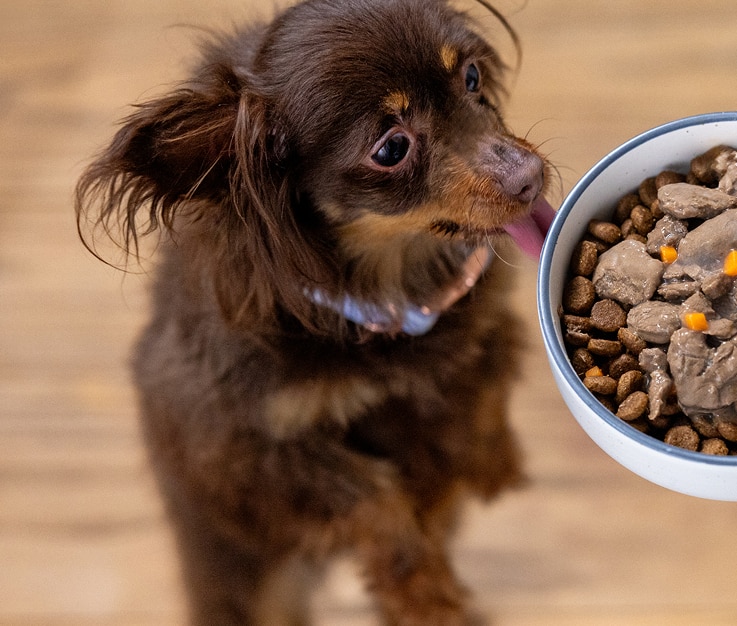
Weight and joint health are closely related, as excess weight increases the strain put onto joints and can result in more cartilage wear. Your vet can help you determine if a weight loss program would help your pet, and may recommend weight loss nutrition and regular exercise.
Physical therapy
Physical therapy can be a valuable part of managing joint pain, and can include manual therapy (like joint mobilization and stretching), therapeutic modalities (like ice packs, heat packs and shockwave therapy) and therapeutic exercise (like hydrotherapy). Your vet can help you decide if physical therapy is right for your dog.
Medication
Your vet may recommend medication to help alleviate pain as part of your dog’s treatment. NSAIDs are some of the most common pain relievers, but additional medications may also be used.
Nutrition
Therapeutic nutrition enriched with Omega-3 fatty acids can be effective. Omega-3 fatty acids can help nourish joint health and preserve joint cartilage.
Weight management
Weight and joint health are closely related, as excess weight increases the strain put onto joints and can result in more cartilage wear. Your vet can help you determine if a weight loss program would help your pet, and may recommend weight loss nutrition and regular exercise.
Physical therapy
Physical therapy can be a valuable part of managing joint pain, and can include manual therapy (like joint mobilization and stretching), therapeutic modalities (like ice packs, heat packs and shockwave therapy) and therapeutic exercise (like hydrotherapy). Your vet can help you decide if physical therapy is right for your dog.
Medication
Your vet may recommend medication to help alleviate pain as part of your dog’s treatment. NSAIDs are some of the most common pain relievers, but additional medications may also be used.
Nutrition
Therapeutic nutrition enriched with Omega-3 fatty acids can be effective. Omega-3 fatty acids can help nourish joint health and preserve joint cartilage.
Ask your veterinarian how nutrition can help
Schedule an appointment for your pet and see how a therapeutic pet food can help your pet feel better.
Ask your veterinarian how nutrition can help
Schedule an appointment for your pet and see how a therapeutic pet food can help your pet feel better.
Related products
Metabolic Dog Treats
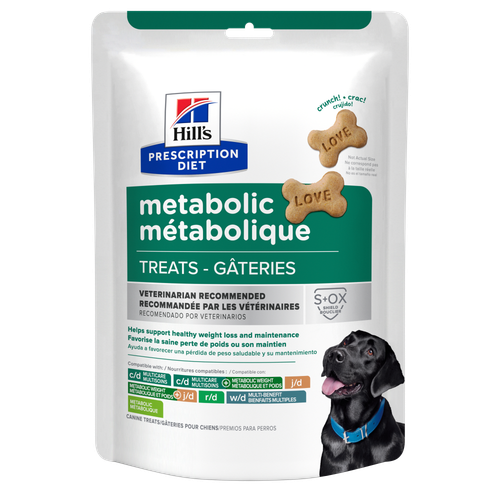
Metabolic Treats to help support healthy weight loss and weight maintenance, and are a great complement for dogs being fed other Prescription Diet weight loss or maintenance canine food.
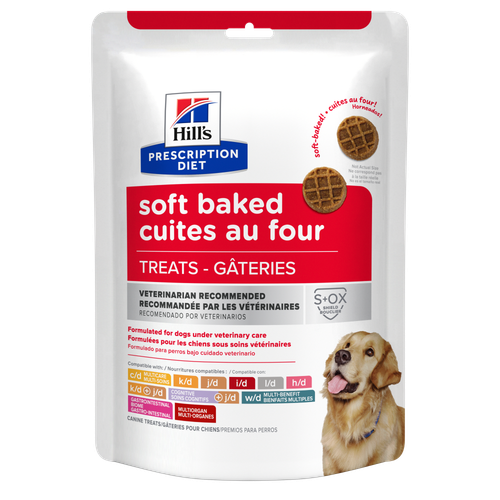
Soft Baked Chicken Flavor Dog Treats
Healthy soft baked chicken flavor dog treats are a delicious complement to many Prescription Diet Dog Foods

Adult Perfect Weight & Joint Support Chicken & Brown Rice Recipe Dog Food
Over 70% of dogs lost weight within 10 weeks when fed this nutrition (USA Study)
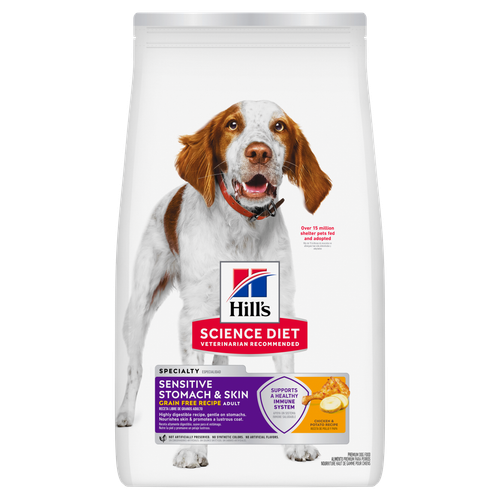
Adult Sensitive Stomach & Skin Grain Free Chicken & Potato Recipe Dog Food
Science-backed nutrition tailored for skin and digestive health, packed with clinically proven, immune system supporting antioxidants.
Related articles
What's the Best Large Breed Dog Food?
Learn why large breed dogs have special nutritional needs and tips for choosing the best large breed dog food for your pup.
Weaning Puppies: When Can They Eat Solid Food?
Learn all about weaning puppies, including when to start weaning puppies and what and how often to feed them.

How to Handle Dogs Who are Picky Eaters
You feed tasty and nutritious dog food, yet your dog only sniffs and licks at it. It’s time for the next meal, but the previous meal still isn’t finished. You might have a finicky dog!

Choosing the Right Food for Your Adult Dog
Learn about choosing the right dog food to help ensure your adult dog will receive the correct balance of nutrition.