
Food allergies in cats
Food allergies in cats
Does your cat have signs of food allergies?
If a cat vomits frequently, has diarrhea, irritated skin, a poor coat condition or hair loss, then they may have food allergies. The most common symptoms are digestive upset or skin irritation. These signs can be long-term, recurring and should be noted to your vet.
Signs to watch for
Here are a few signs a cat might be experiencing food allergies.


What causes allergies?
One of the most difficult things on a cat’s path to recovery is determining what is causing their allergies. Food allergies in cats are caused by a reaction to a particular ingredient, usually a protein. Food allergies may last a lifetime so the ingredient must be permanently removed from your cat’s diet.
A cat may react to certain substances in their environment — like grasses, pollen, mold or biting insects. Removing the offending allergen along with a multimodal approach can help reduce the adverse signs of environmental allergies in cats.
Cats may experience reactions to certain ingredients, and they are identified through food elimination trials conducted by your veterinarian. A food elimination trial is a process of finding and removing the food ingredient causing skin issues or digestive upsets.
What can you do?
Managing a cat’s allergies can be a challenging process, and your first step should be visiting your veterinarian. They will help you find the right combination of nutrition, medication, and/or topicals for your cat.

Trust
Living with a cat with food allergies can cause you both to be restless, but the road to recovery will require time, patience and trust in your vet. Remember — just like humans, every cat is unique, and the best solution will come from working with a professional to address your pet’s specific needs. Together, you’ll get on the right track to helping your best friend feel like their best self.
Nutrition
Therapeutic nutrition plays an important role in the long-term management of allergies in cats. The right nutrition can promote healthy skin from within and help alleviate your cat’s signs quickly and long-term. Even with treatment, some cats may have recurring signs that will require adjustments along the way, and your veterinarian will be a helpful resource in managing your cat’s allergies.
Medication
A vet may prescribe medication to help alleviate your cat’s signs of allergies. If you are wondering what you can give your cat for allergies, only give medication as recommended by your vet.
Topicals
Topicals can be used for managing allergies in cats. There are various deliveries for topicals like shampoos, lotions, sprays or ointments. Reach out to your veterinarian to ensure a specific topical is appropriate for your pet’s skin condition and life stage.

Ask your veterinarian how nutrition can help
Schedule an appointment for your pet and see how a therapeutic pet food can help your pet feel better.
Ask your veterinarian how nutrition can help
Schedule an appointment for your pet and see how a therapeutic pet food can help your pet feel better.
Related products

Metabolic Cat Treats
Metabolic Treats to help support healthy weight loss and weight maintenance, and are a great complement for cats being fed other Prescription Diet weight loss or maintenance feline food.

m/d GlucoSupport Wet Cat Food
Clinical nutrition formulated to help cats lose weight and manage blood sugar

Hypo Cat Treats
Treats for cats with food sensitivities, related skin conditions and sensitive stomachs
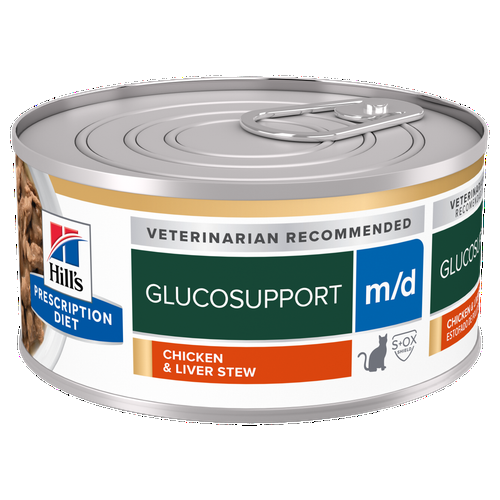
m/d GlucoSupport Wet Cat Food
Clinical nutrition formulated to help cats lose weight and help manage blood sugar
Related Articles
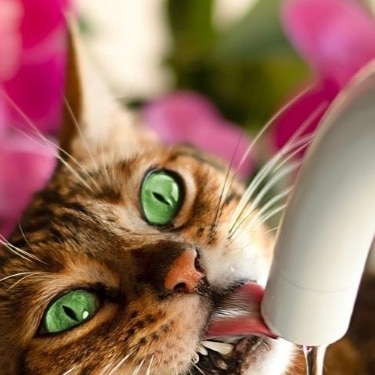
Signs of Dehydration in Cats and What to Do
Learn why feline hydration matters, the signs of dehydration in cats (including two tests you can try at home) and how to support healthy hydration habits.
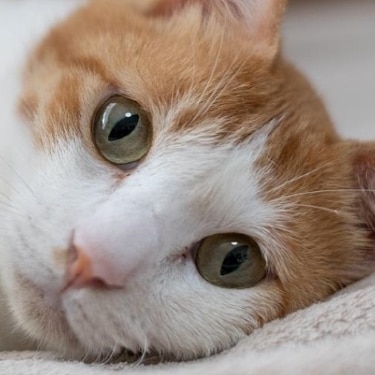
Why Is My Cat Vomiting Blood?
If your cat's vomiting blood, you're naturally concerned. Here's what you should know about a cat throwing up blood, including possible causes.
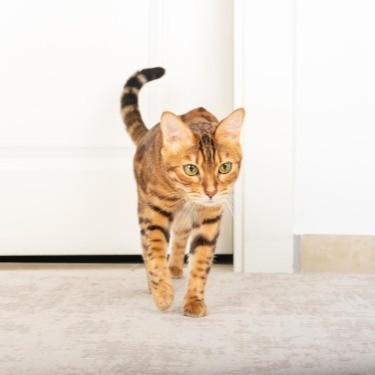
Understanding Cat Inflammatory Bowel Disease
Discover everything you should know about cat inflammatory bowel disease, including signs, causes and what to expect from your veterinarian.
Understanding Leaky Gut Syndrome in Cats: Causes, Signs and Treatment
Learn all about leaky gut syndrome in cats, including what this umbrella term means & how it affects cats. Know more about how vets diagnose and manage it.