
Kidney health for dogs
Kidney health for dogs
What is kidney failure in dogs?
Kidney failure is a condition that damages your dog’s kidneys, leading to kidney or renal disease. The most common form is known as Chronic Kidney Disease (CKD), which affects about 1 in every 10 dogs.1
Your dog’s kidneys are vital to removing waste substances from the bloodstream and maintaining the balance of fluid and minerals within the body. But if the kidneys can’t do their job, the result could be life-threatening for your dog.
Signs to watch out for
The signs of early-stage kidney disease are not always visible. On diagnosis, CKD has already been present for some time but may be managed with the help of vet-approved dog food for kidney disease. Signs of late-stage kidney disease tend to be similar but are far more noticeable to pet parents.


What causes kidney disease in dogs?
There are two main categories of kidney failure in dogs: acute and chronic. Signs of acute kidney failure usually manifest over a week or month’s time, while chronic renal failure is present for a longer period. Several factors may be involved that could increase your dog’s risk of developing kidney disease:
The chance of developing kidney disease greatly increases as dogs get older (over 10-15 years of age).
Some dog foods high in phosphorus, sodium, and protein can accelerate the progression of CKD.
Some breeds are more likely to develop certain kidney conditions.
Other illnesses and health issues can contribute to the worsening of CKD in dogs.
Any conditions that lead to dehydration (eg, vomiting, diarrhea, shock) can worsen kidney function and contribute to CKD progression.
Early detection of kidney failure in your dog
Signs of serious illness do not typically appear until after 75% of kidney function is already lost, so the sooner kidney disease is diagnosed, the more time there is to address the underlying cause or slow the disease’s progression. CKD is progressive and irreversible, but your veterinarian can help provide long-term care and show you how to track signs in older dogs.
Nutrition for dogs with kidney disease
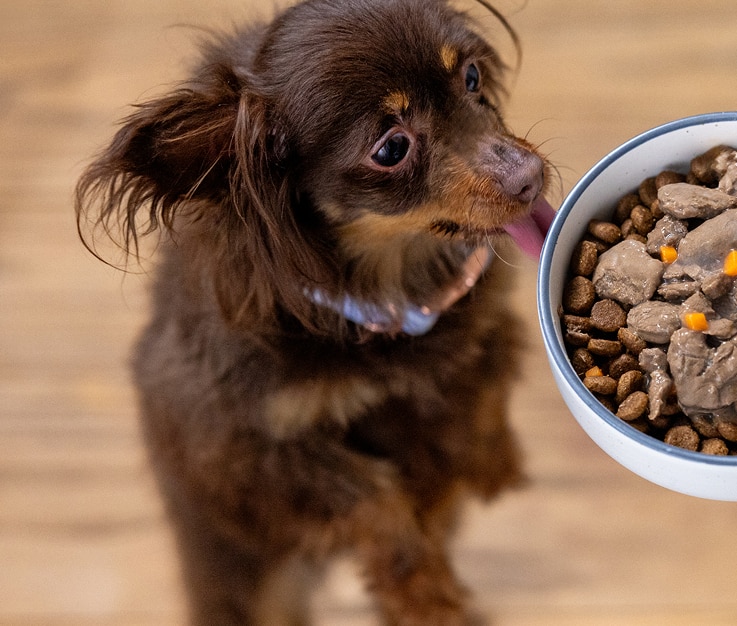
If your dog has kidney disease, the nutrition formulated for them can help make an impact on their lives. Specially formulated nutrition for dogs with kidney disease can be beneficial by having less protein and phosphorous than other pet foods. Phosphorus restriction can lessen the severity of the symptoms and progression of kidney damage, while controlled, high-quality proteins can help restore normal acid-base levels.
What about nutritional yeast for dogs with kidney disease?
While it has gained some popularity online, yeast is relatively high in phosphorus, which could be a concern for dogs with CKD. Similarly, many websites now propose creating a raw food for dogs with kidney disease but fail to mention the range of factors to consider, such as contamination risks, providing the right balance of nutrients, and the overall cost. When looking into nutritional options for dogs with kidney disease, it’s always best to get a specific recommendation from your veterinarian.
Nutrition for dogs with kidney disease
If your dog has kidney disease, the nutrition formulated for them can help make an impact on their lives. Specially formulated nutrition for dogs with kidney disease can be beneficial by having less protein and phosphorous than other pet foods. Phosphorus restriction can lessen the severity of the symptoms and progression of kidney damage, while controlled, high-quality proteins can help restore normal acid-base levels.
What about nutritional yeast for dogs with kidney disease?
While it has gained some popularity online, yeast is relatively high in phosphorus, which could be a concern for dogs with CKD. Similarly, many websites now propose creating a raw food for dogs with kidney disease but fail to mention the range of factors to consider, such as contamination risks, providing the right balance of nutrients, and the overall cost. When looking into nutritional options for dogs with kidney disease, it’s always best to get a specific recommendation from your veterinarian.

Ask your veterinarian how nutrition can help
Schedule an appointment for your pet and see how a therapeutic pet food can help your pet feel better.
Ask your veterinarian how nutrition can help
Schedule an appointment for your pet and see how a therapeutic pet food can help your pet feel better.
Related products
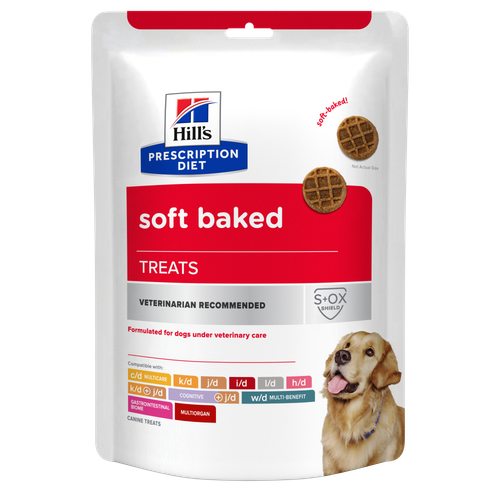
Soft Baked Chicken Flavor Dog Treats
Healthy soft baked chicken flavor dog treats are a delicious complement to many Prescription Diet Dog Foods
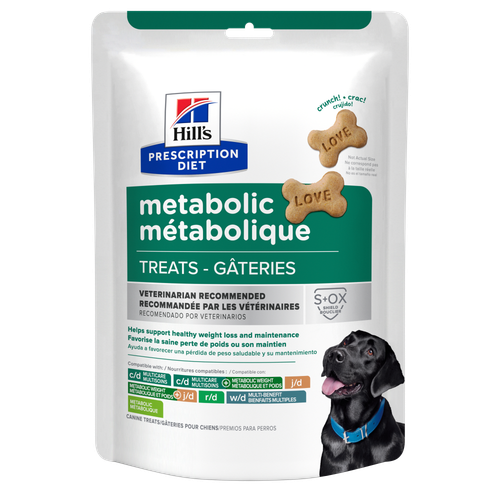
Metabolic Dog Treats
Metabolic Treats to help support healthy weight loss and weight maintenance, and are a great complement for dogs being fed other Prescription Diet weight loss or maintenance canine food.
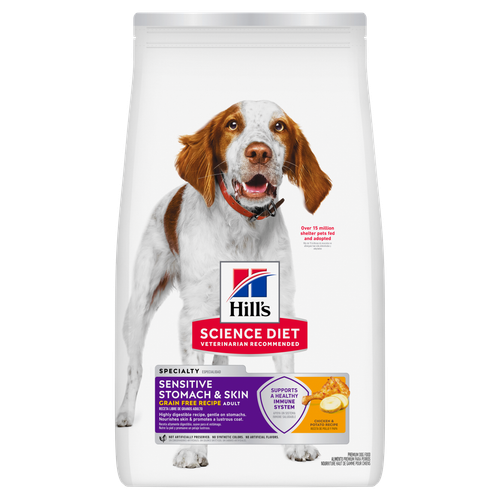
Adult Sensitive Stomach & Skin Grain Free Chicken & Potato Recipe Dog Food
Science-backed nutrition tailored for skin and digestive health, packed with clinically proven, immune system supporting antioxidants.

Adult Perfect Weight & Joint Support Chicken & Brown Rice Recipe Dog Food
Over 70% of dogs lost weight within 10 weeks when fed this nutrition (USA Study)
Related articles

Excessive Thirst in Dogs: Common Causes & When to See the Vet
Discover the many conditions that cause excessive thirst in dogs, from simple dehydration to more serious issues, and learn when you should visit the vet.

Managing Your Dogs Congestive Heart Failure
Learn to recognize the signs of congestive heart failure in dogs so you can give your dog the best chance of a longer, healthier life.

Do Dogs Have Periods?
Learn more about if female dogs can have periods, when they can happen and a lot more about their estrus cycle.

Dog Sprained Leg: Signs, Diagnosis and Treatment
Learn signs for recognizing a dog's sprained leg, how vets usually diagnose the condition, treatment options and how to help prevent sprains in the future.