


Can Cats Eat Human Food?

Can Cats Eat Human Food?

Can my dog
eat that?

A Guide to Human Foods Cats Can and Cannot Eat

Curious what human food cats can eat? It is important to understand what cats eat naturally. Cats are obligate carnivores, meaning they require meat in their diet to meet their nutritional needs. While they may show interest in different foods, just because they’ll eat it doesn’t mean it’s good for them.

The best way to choose the right food for your cat is to speak with a trusted veterinarian. They can determine the right food and feeding amount for your furry friend. When providing safe human foods, prepare them carefully and remove choking hazards like pits, stems, seeds, and cores. Keep in mind some foods are only safe in small amounts or when gently cooked, and remember: overfeeding human food can lead to obesity and nutritional imbalances.

Use this comprehensive guide to get an idea of foods you can safely share, and always ensure your cat gets the majority of their nutrients from high-quality, complete and balanced cat food. And keep in mind the 10% Rule: balancing treats and cat nutrition.

Search for a Food

32 results

Filters

Filters

Never
Alcohol

Hops can be severely toxic to dogs and cats. Even the lowest amount of alcohol can be toxic for cats.

Learn More
Safe
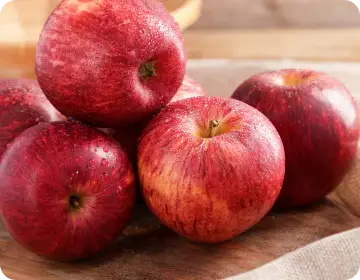
Apples

Apples, while high in sugar, are safe for cats so long as the stems, leaves, and especially seeds are removed from the apple. The core also poses the risk of an obstruction to the digestive tract.

Maybe
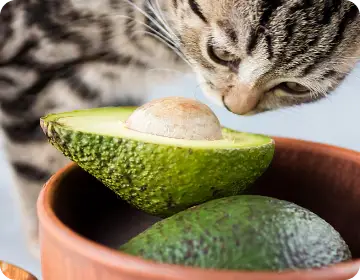
Avocados

While generally considered safer for cats than dogs, the high fat content can still cause gastrointestinal upset.

Learn More
Maybe
Bananas

While cats typically hate the taste of them, bananas offer potassium, vitamin C, vitamin B6, manganese, biotin, and copper. Bananas are also high in sugar, so use them more as a treat than a meal — and make sure to remove the peel.

Learn More
Safe
Blueberries

While cats can’t detect sweet flavors, they can appreciate the wet, juicy texture. Keep in mind that blueberries are high in sugar, so treat them more as a snack rather than a meal.

Learn More
Maybe
Bread

Plain, baked bread is generally safe in small amounts, though it offers no nutritional value for cats. Never feed raw dough, as the yeast causes dangerous stomach expansion.

Learn More

0 results found

What Fruits and Vegetables Can Cats Eat?

While cats do not require vegetables for nutrition, some can be offered as an occasional treat if your cat shows interest. For example, some cats can show an interest in certain berries or melons, but make sure to remove any seeds and avoid feeding any part of the rind, which may result in an obstruction to the digestive tract.

What Fruits and Vegetables are Toxic to Cats?

Several fruits and veggies can be toxic to cats and result in a range of health issues. For example, small amounts of grapes, onions and garlic are all highly toxic to cats and can cause them to experience gastrointestinal discomfort, vomiting and diarrhea.

The 10% Rule: Balancing Treats and Cat Nutrition

While sharing safe human foods can be fun, it's crucial to maintain your cat’s balanced nutrition. Veterinary experts recommend that treats should make up no more than 10% of your cat's total daily caloric intake.

Overfeeding human food can lead to obesity and nutritional imbalances. Ensure your cat gets the majority of their nutrients from high-quality, complete and balanced cat food.

Frequently Asked Questions (FAQs) About What Cats Can Eat

Cats are obligate carnivores, meaning their bodies require nutrients derived from animal products. When considering what cats like to eat, remember they have specific needs for protein and amino acids like taurine, which are found in meat and high-quality cat food, not in most plant-based foods and not in the right amounts for cats in dog food.

There are very few human foods that should be eaten every day. While small amounts of cooked, unseasoned protein might be safe, cats require the specific balance of nutrients found in complete and balanced cat food for their daily meals. Human food should only be an occasional treat.

Feeding raw meat, including raw chicken, carries risks of bacterial contamination (like salmonella) for both the cat and humans in the household.

Do not wait for symptoms to develop. If you suspect your cat has ingested something toxic, contact your veterinarian or the Pet Poison Helpline immediately: (855) 764-7661

Pet Poision Helpline

Developed in partnership with Pet Poison Helpline

Pet Parent Resources

We have a wide range of dog nutrition articles to choose from.

Cat Nutrition Resources

We believe that science is the best path to giving your pet the best care possible.

Driven by your pet’s needs