
Joint pain in cats
Joint pain in cats
Stiff joints slowing your cat down?
Joint pain is often a result of cartilage wear and tear that comes from conditions like osteoarthritis (OA) — a painful, progressive condition — or the normal wear down that happens as a cat ages.
Signs to watch for
Because cats can’t tell us when they’re in pain, joint issues often go unnoticed until there’s permanent damage. Talk to your vet early if you spot clues that your cat might be struggling with mobility loss:


What causes joint pain?
Joint pain happens when your cat’s cartilage wears down until it’s not providing enough cushioning for their joints. This happens naturally as cats age — which is why it’s extra important to keep an eye on senior pets — but some things can make cartilage wear down faster.
OA is a progressive condition where cartilage breaks down, causing your cat pain and making it harder for them to move. Cartilage wearing down is permanent, so it’s important to catch OA as early as possible to help keep your cat’s joints healthy.
Cartilage wears down naturally through daily life, but injuries and accidents can make it break down faster and lead to joint stiffness.
The more your cat weighs, the more stress it puts on their joints. Keeping your pet healthy with good nutrition and enough exercise helps stop cartilage from wearing down as fast.
Certain cat breeds are more likely to lose mobility early on, especially breeds that are prone to conditions like osteoarthritis or hip dysplasia.
What can you do?
The earlier you catch joint pain, the better. Your veterinarian can help you make a plan to keep your cat’s joints healthy and stop stiffness from getting in the way of their mobility. They’ll likely suggest a combination of:
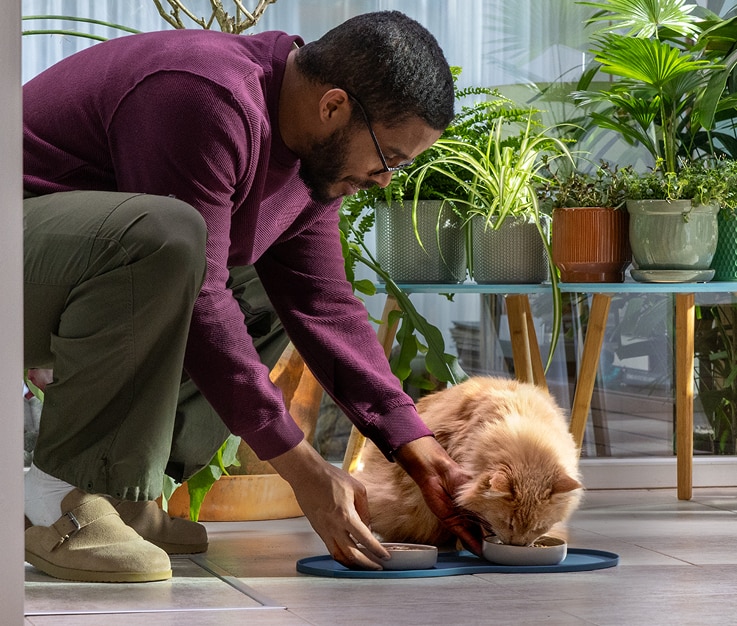
Weight management
Extra pounds mean extra strain on your cat’s joints, like carrying around a heavy backpack all day. In the event of mobility loss for cats, maintaining a healthy weight is crucial. Vets will likely recommend an exercise plan and a weight loss diet.
Physical therapy
Your vet might point you to physical therapy to help with your cat’s mobility problems. It sounds intimidating, but it usually means gentle massages, stretching, heat packs or hydrotherapy (swimming to make exercise easier on the joints).
Medication
Your vet may recommend medication to help alleviate pain as part of your cat’s treatment. NSAIDs are some of the most common pain relievers, but additional medications may also be used.
Nutrition
Therapeutic nutrition enriched with Omega-3 fatty acids are among the most effective ways to manage osteoarthritis. Omega-3 fatty acids can help nourish joint health.
Weight management
Extra pounds mean extra strain on your cat’s joints, like carrying around a heavy backpack all day. In the event of mobility loss for cats, maintaining a healthy weight is crucial. Vets will likely recommend an exercise plan and a weight loss diet.
Physical therapy
Your vet might point you to physical therapy to help with your cat’s mobility problems. It sounds intimidating, but it usually means gentle massages, stretching, heat packs or hydrotherapy (swimming to make exercise easier on the joints).
Medication
Your vet may recommend medication to help alleviate pain as part of your cat’s treatment. NSAIDs are some of the most common pain relievers, but additional medications may also be used.
Nutrition
Therapeutic nutrition enriched with Omega-3 fatty acids are among the most effective ways to manage osteoarthritis. Omega-3 fatty acids can help nourish joint health.
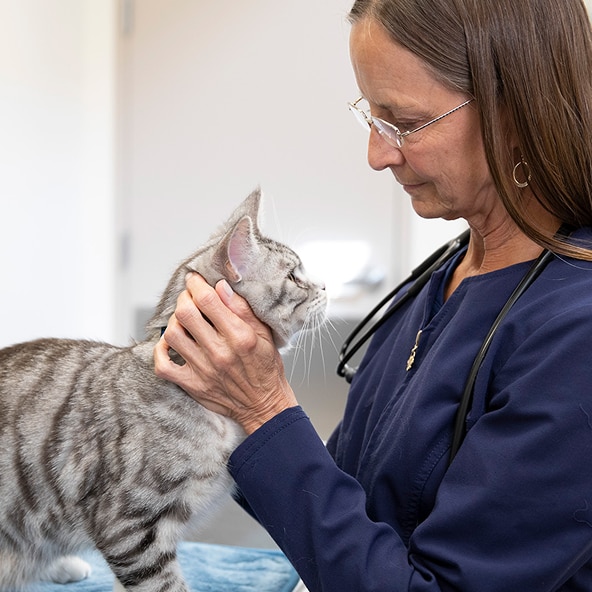
Ask your veterinarian how nutrition can help
Schedule an appointment for your pet and see how a therapeutic pet food can help your pet feel better.
Ask your veterinarian how nutrition can help
Schedule an appointment for your pet and see how a therapeutic pet food can help your pet feel better.
Related articles
Helping Your Cat Lose Weight: Cat Foods for Weight Loss and Exercise Tips
How do you get a cat to lose weight? Learn all about cat foods for weight loss, including how to choose weight control cat food and exercise tips.
Cat Arthritis: Signs, Causes and Treatment
Get the answers to your questions about cat arthritis here, from signs of arthritis in cats to treatment for feline arthritis.

Managing Osteoarthritis in Cats
A brown cat wearing a purple collar.
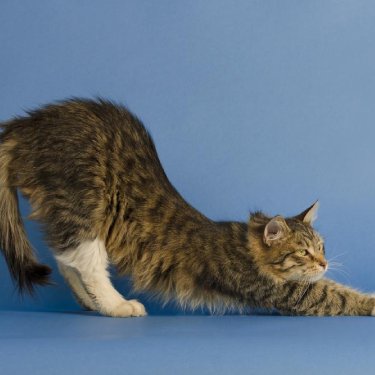
Joint Issues and Hip Dysplasia in Cats
What is feline hip dysplasia? Learn all about joint diseases and hip dysplasia in cats, including possible causes and how to help your cat feel better.
Related products

Metabolic Cat Treats
Metabolic Treats to help support healthy weight loss and weight maintenance, and are a great complement for cats being fed other Prescription Diet weight loss or maintenance feline food.
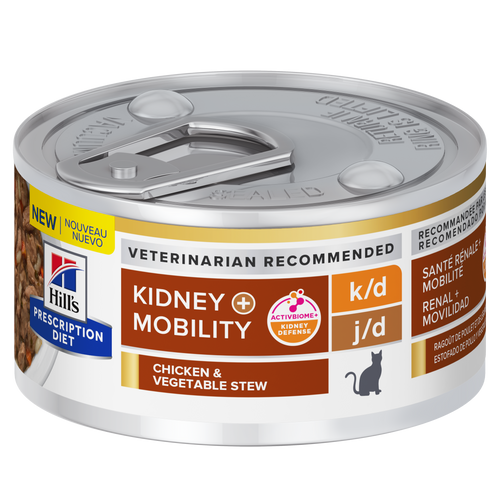
k/d + j/d Chicken & Vegetable Stew Cat Food
Delicious kidney nutrition shown to help add years* and enhance quality of life.
*2 years on average in cats after diagnosis with leading causes of chronic kidney issues without concurrent health issues.

k/d + j/d Chicken Flavor Cat Food
Delicious kidney nutrition shown to help add years* and enhance quality of life.
*2 years on average in cats after diagnosis with leading causes of chronic kidney issues without concurrent health issues.

Hypo Cat Treats
Treats for cats with food sensitivities, related skin conditions and sensitive stomachs