Bouvier des Flandres Dog Breed Guide

The Bouvier des Flandres dog breed is solid, loyal, fearless and unmistakably dignified. Originally bred to work from dawn to dusk, this powerful Belgian dog can herd cattle, pull carts and still find time to watch over the family at the end of the day.

Beneath that tousled beard is a loyal companion with a sharp mind and a steady temperament. If you want a dependable, hardworking dog who stands out without showing off, the Bouvier des Flandres might be the one for you.

Energy Level

Energy Level

Prey Drive

Prey Drive

Drooling

Drooling

Shedding

Shedding

Coat maintenance / grooming needs

Coat maintenance / grooming needs

Barking

Barking

Social tendencies with people

Social tendencies with people

Trainability

Trainability

The Origin of the Bouvier des Flandres

The Bouvier des Flandres was bred and recorded in the late 19th and 20th centuries in Flanders, a historical region in northwestern Europe. “Bouvier des Flandres” is French for “cowherd of Flanders,” a name that reflects where and why this dog was bred. Farmers wanted to create a jack-of-all-trades of sorts — one phenomenal working dog that could do it all. To create the Bouvier, they bred herding dogs with mastiff types. This resulted in a versatile, powerful dog capable of herding livestock, guarding property and hauling supplies.

When World War I erupted, Flanders’ peaceful farms were destroyed, and many Bouviers were lost alongside the people who bred them. The Belgian army helped preserve the breed, where these dogs proved their courage as messengers, draft dogs and sentries before later serving as police and guide dogs. After World War II nearly wiped them out again, devotees of the breed, (especially immigrants in North America) rebuilt the bloodlines, leading to the founding of the American Bouvier des Flandres Club in 1963.1,2

Breed InfoBreed Details
Group/classHerding Group (AKC and UKC)
Club recognitionAmerican Kennel Club, American Bouvier des Flandres Club, United Kennel Club
Instincts, function and purposeBouviers were bred as versatile farm, herding and guard dogs, known for their work ethic, intelligence and loyalty.
AdaptabilityThese dogs thrive with regular exercise, mental stimulation and jobs. They do best in homes that are experienced with herding breeds and can meet their grooming and activity needs.
Breed standardsAmerican Bouvier des Flandres Club, UKC Official Standard

Nutrition for the Bouvier des Flandres

Bouviers are large-breed canine athletes with powerful frames and specific nutritional requirements. They thrive on complete and balanced nutrition that helps support joint health, lean muscle, healthy digestion, and skin and coat health. While most Bouviers reach skeletal maturity by 2 years of age, their physique often continues to develop as they fill out in muscle and chest depth until they are 3 or older.

Because their bodies undergo such significant development over several years, choosing a food that helps support a healthy growth rate is important. A precise balance of vitamins and minerals is also key; antioxidants like vitamins C and E help support a healthy immune system. Your veterinarian can help you determine the best formula to meet your dog’s distinct needs as they transition from a puppy to a fully-developed adult.

Ingredients and Nutrients

Selecting a food with the right ingredients is key to supporting a Bouvier’s daily vitality. High-quality protein sources — like chicken, lamb, or salmon — help maintain lean muscle on their large frame. To help support a healthy skin and coat, look for omega-6 fatty acids from sources such as vegetable oils and chicken fat.

Fish oil provides the omega-3 fatty acids needed to help nourish their brain, joints, and organs, while prebiotic fibers like fructooligosaccharides (FOS) or beet pulp help support healthy digestion. Finally, balanced levels of calcium and phosphorus help support the strong bone structure this active breed depends on, helping ensure they stay ready for work or play.

Life Stage Considerations

Puppies

Large-breed puppies, like Bouviers, need carefully balanced calcium and phosphorus levels. Overfeeding or excess minerals can increase the risk of developmental joint disease. Feed them appropriate amounts of complete and balanced large-breed puppy food to support healthy growth and development. 

Adults

Mature Bouviers benefit from complete and balanced large-breed adult dog food that promotes a lean body condition, strong muscles and joint health. Their metabolism is fast when they're active but can slow down if they are under-exercised. Work with your vet to adjust feeding amounts for activity level.

Seniors

Senior Bouviers may experience a decreased metabolism and muscle tone, which can lead to unhealthy weight gain. Choose a complete and balanced senior dog food formula that supports joints, lean muscle and healthy digestion.

Weight Management and Joint Support

Obesity is an inflammatory disease that stresses joints and shortens lifespan. Bouviers that struggle with weight may benefit from eating therapeutic nutrition formulated to support joints and help dogs lose weight and keep it off. Talk to your vet about food choices for your dog and how to determine a healthy body condition and daily calorie targets. Keep treats under 10% of their daily calories and measure food with a kitchen gram scale to control portions.

Bouvier des Flandres Dog Breed Characteristics

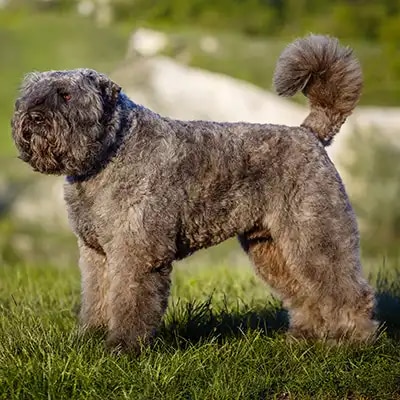
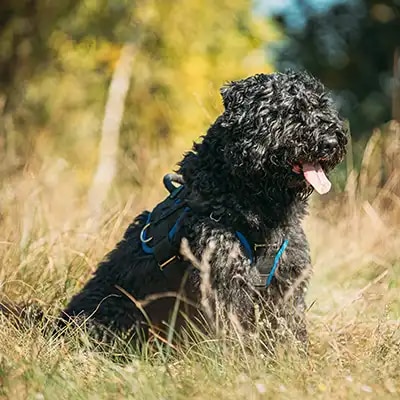
The Bouvier des Flandres is sturdy and powerful with a dense, tousled coat, impressive eyebrows and an unmistakable beard. This breed is calm, confident and steady in temperament, with a moderate energy level that balances bursts of activity with long stretches of relaxed companionship.

Appearance and Physical Traits

The Bouvier des Flandres is a striking, rugged working dog breed known for their powerful build and distinctive, expressive face. This breed combines an imposing presence with a calm, even temperament, making them both an effective guardian and a devoted family companion. Originally bred for demanding farm work, the Bouvier has a sturdy frame and weather-resistant coat that reflect their history of endurance and versatility. Their physical traits balance strength, functionality and a uniquely dignified appearance.

Breed OverviewBreed Information
Breed sizeLarge
CoatRough, weather-resistant outer coat; soft, dense undercoat; thick eyebrows, mustache and beard
ColorsFawn, black, gray, brindle or salt and pepper
Tail and EarsTail is high set; ears are high-set and pendulous
Height23 to 27 inches (males usually are taller than females)
Weight70 to 110 pounds (males are usually heavier than females)
Life Expectancy10 to 12 years

Bouvier des Flandres Temperament and Personality Traits

The Bouvier des Flandres dog breed is confident, grounded and devoted to their people. They like belonging to a household more than attaching to a single person and often take on the role of family supervisor, keeping an eye on everyone as if it were their job (which, in their mind, it is).

They’re affectionate in their own way: think less “Velcro dog” and more “I’ll sit here and watch over you while you work.” Bouviers aren’t clingy and don’t crave constant attention, but they expect inclusion. 

Bouviers are dependable around children, gentle with smaller animals and respectful of other dogs when properly introduced and socialized. They have strong protective instincts, but those instincts come with control. They prefer to deter, not fight. Aggression is uncommon; they rely on presence, posture and their famous Bouvier glare.

Their prey drive is mild, though they may give chase to a squirrel. Mischief is where the breed’s intelligence really shines. They won’t shred your couch for fun — that would be too obvious. Instead, they’ll wait for you to look away and then help themselves to the sandwich you thought was safe on the counter. Or they’ll quietly relocate your shoes just far enough to make you question your cognitive abilities. Bouviers are strategic and subtle.

Behaviorally, Bouviers are known for being “slow to grow up.” They often retain puppy-like playfulness and testing behaviors until around 2 to 3 years old, after which they typically settle into their calm, steady adult temperament. Until their brain has caught up with their body, patience is your best friend.

At the end of the day, if you want a companion who’s clever, composed and full of character, the Bouvier des Flandres fits the bill. Just don’t expect them to take orders without a little negotiation.

Personality and Temperament Trait Scale
Traits are on a scale of 1 to 5, with 1 being the least and 5 being the most.

Dog TraitTrait Scale Value
Energy Level4 (High Energy)
Prey Drive4 (High Drive)
Drooling2 (Low Drooling)
Shedding4 (High Shedding)
Coat maintenance/grooming needs5 (Very High Maintenance)
Barking3 (Moderately Vocal)
Social Tendencies for People3 (Balanced)
Trainability3 (Moderately Trainable)

Lifestyle Compatibility

Best for

People who enjoy the outdoors, long walks, exercising their dog, calm companionship and grooming.

Good with

Children, other dogs and active families who can provide structure. Always monitor children around dogs.

Less suitable for

pet parents who prefer hands-off training or have little time for grooming.

Before adopting any breed of dog, it's a good idea to speak to a vet to determine if their health and care needs fit with your household, budget and lifestyle.

Exercise Needs and Appropriate Activities

Bouviers need moderate daily exercise to stay physically healthy, mentally engaged and relaxed at home. Adults benefit from 60+ minutes of movement each day, broken into a mix of long walks or hikes, interactive play, obedience or agility drills and mental stimulation. Their endurance is impressive thanks to their herding and draft heritage, yet they're not considered hyperactive like some other family-friendly breeds. Bouviers simply glow when they're given meaningful activity.

Since Bouviers retain strong work instincts and are built like a construction worker, it helps to get creative and align their activities to fulfill their working heritage. Structured obedience routines, carting or drafting, or even advanced scent-search games that tap into their intelligence are fantastic choices. On days when the weather or schedule limits outdoor options, indoor enrichment — like food puzzles, hide-and-seek or gentle tug work — keeps their minds busy. 

Try alternating heavy physical days (hiking or light drafting) with days focused on mental challenge and lower impact activities (tracking, puzzle toys, quiet obedience, etc.). This approach helps protect joints and prevents the breed from becoming overly driven or bored. Bouviers have a spectacular sense of initiative; however, leave them under-exercised or under-stimulated and they’ll start a home improvement show, starring themselves as the landscaper, sock chewer and head of neighborhood security (all in the same afternoon).

Bouvier puppies need gentle, age-appropriate exercise that keeps them moving without stressing their growing joints. Several short play sessions each day, including leash walks, gentle fetch and supervised exploration and play on soft ground, can help them build strength, coordination and confidence.

Training

Training a Bouvier des Flandres is about a calm tone, routine, consistent cues and mutual respect. These dogs are intelligent, observant and learn best when tasks feel meaningful to them. Heavy-handed correction does more harm than good; you'll see more success by providing steady leadership, positive reinforcement and clear expectations.

Socialization should begin early with controlled, positive exposure to new people, dogs and environments every day so they become confident without needing to run the show. Cooperative care training that includes brushing, nail trims, paw handling, ear checks and mock vet visits not only helps grooming but also strengthens your bond. Mix up your training sessions with obedience, scent work or light carting practice to keep their working instincts satisfied. Assign your Bouvier a daily job, such as checking the mailbox or escorting family members to the car, which channels their guardian instincts productively.

Bouvier des Flandres Health and Wellness

The Bouvier des Flandres dog breed is generally healthy but benefits from preventive care, early veterinary screenings, good nutrition and regular conditioning. 

Bouvier des Flandres Potential Health Issues

Developmental joint disease

All large-breed dogs, including Bouviers, are at risk for developmental joint disorders, including hip and elbow dysplasia and osteochondritis dissecans. Lower risk by helping them maintain a lean body weight, feeding a large-breed puppy food and avoiding high impact or excessive exercise during growth. Talk to your vet about the right time to spay or neuter your Bouvier des Flandres to allow for healthy skeletal growth and maturity.

Cancer

The Bouvier is at increased risk for a few serious cancers, including gastric carcinoma and hemangiosarcoma, so pet parents should watch for signs like unexplained lumps, bumps, vomiting, weight loss, sudden weakness or collapse. Regular annual exams and prompt vet attention to any unusual signs are essential to catch disease early and improve outcomes.

Heart disease

The Bouvier is predisposed to a heart condition called subvalvular aortic stenosis, a narrowing of one of the heart vessels. Early screening and annual exams by a vet can reduce risk. Treatment is available.

Eye disorders

Bouviers can develop hereditary eye conditions. Early veterinary screening and annual eye exams can identify issues early for treatment and preserve vision if necessary.

Grooming Needs

The Bouvier des Flandres wears coarse, weatherproof fur that protects them in the field but also traps debris, so regular grooming matters. Brush this breed two to three times a week to remove loose hair and prevent mats. A good session with a slicker brush and metal comb keeps the coat healthy and gives you a chance to check for hidden burrs or twigs. Bouviers shed lightly most of the year and shed their undercoat twice annually, usually in spring and fall. During the biannual shedding seasons, daily brushing keeps the fluff from taking over your furniture and helps new coat growth come in clean and healthy. 

Show Bouviers are traditionally hand-stripped to maintain coat texture and color. Stripping removes dead outer hairs without cutting the new growth, preserving the natural look of the overcoat. Most pet parents prefer clipping instead; it's easier to maintain, but be aware that clipping softens the coat over time and can make it more prone to matting and tangling.

When their facial hair gets out of control, carefully trim around the eyes of your Bouvier so they can see clearly and around the mouth to keep food from collecting. Seek a professional groomer if you are not certain you can groom the face safely. 

The beard, magnificent as it is, needs daily attention. Wipe it after meals and water breaks, or food will collect and smell très mauvais (very bad). A quick rinse or damp towel wipe works wonders for odor control and tidiness. 

Bathe them only when necessary to protect the coat’s waterproofing natural oils. Check their ears weekly, trim their nails every two to four weeks and brush their teeth daily with a dog-specific toothpaste. Start grooming early so they learn that it’s part of life, not a battle of wills. With patience, the process can become a calm ritual that builds trust.

Is a Bouvier des Flandres Your New Furry Friend?

The Bouvier des Flandres dog breed is loyal, intelligent and capable. They’ll guard your home, keep you company and keep you on your toes. If you want a companion who’s dependable, clever and always a step ahead, then the Bouvier des Flandres is your dog.

Resources For New Pet Parents

Adopt a pet. Change a life.

Pet Adoption Resources

Get expert tips for a long and happy life with your new best friend.

New dog guide

Bouvier des Flandres Dog Breed FAQs

The Bouvier des Flandres needs daily walks and mental stimulation but isn’t an overactive breed. They enjoy purpose-driven activity more than endless running.

Yes. The Bouvier des Flandres is patient, gentle and protective, making them an excellent companion for families with kids.

The Bouvier des Flandres sheds moderately throughout the year. Regular brushing helps control loose hair and keeps their double coat healthy.

The Bouvier des Flandres can be a great choice for first-time dog parents who are confident, consistent and willing to invest time in training and grooming.

The Bouvier des Flandres typically lives 10 to 12 years with proper veterinary care, complete and balanced nutrition and regular exercise.

References

  1. American Kennel Club. “Bouvier des Flandres Dog Breed Information.” Accessed November 2025. https://www.akc.org/dog-breeds/Bouvier-des-flandres/.

  2. American Bouvier des Flandres Club. “History.” Accessed November 2025. https://www.Bouvier.org/Bouvier-history.

  3. Dhein, Elena S., Ulla Heikkilä, Sohvi Blatter, et al. “Incidence Rates of the Most Common Canine Tumors Based on Data from the Swiss Canine Cancer Registry (2008 to 2020).” PLOS One (2024). https://doi.org/10.1371/journal.pone.0302231.

  4. Seim-Wikse, Tonje, Einar Jörundsson, Ane Nødtvedt, et al. “Breed Predisposition to Canine Gastric Carcinoma — A Study Based on the Norwegian Canine Cancer Register.” Acta Veterinaria Scandinavica 55, no. 1 (2013): 25. https://doi.org/10.1186/1751-0147-55-25.

  5. Rees, Christine, DVM, DACVD. “Differential Diagnoses for Canine Pododermatitis (Proceedings).” dvm360, October 1, 2008. https://www.dvm360.com/view/differential-diagnoses-canine-pododermatitis-proceedings

  6. Ontiveros, Eric S., and Joshua A. Stern. “Genetics of Canine Subvalvular Aortic Stenosis (SAS).” Companion Animal Health and Genetics 8 (2021): 4. https://doi.org/10.1186/s40575-021-00103-4.

  7. Van der Linde-Sipman, J. S. “Dysplasia of the Pectinate Ligament and Primary Glaucoma in the Bouvier des Flandres Dog.” Veterinary Pathology 24, no. 3 (1987): 201–206. https://doi.org/10.1177/030098588702400301

  8. Rühli, M. B., and B. M. Spiess. “Goniodysplasia in the Bouvier des Flandres.” Schweizer Archiv für Tierheilkunde 138, no. 6 (1996): 307–311. https://pubmed.ncbi.nlm.nih.gov/8765546/.