

Rottweiler Dog Breed Guide

Rottweilers can look intimidating with their large size and serious-looking faces, but inside, most are actually big teddy bears! This popular breed has been around for thousands of years, and they continue to be popular among American homes for several reasons.

Energy Level

Energy Level

Prey Drive

Prey Drive

Drooling

Drooling

Shedding

Shedding

Coat maintenance / grooming needs

Coat maintenance / grooming needs

Barking

Barking

Social tendencies with people

Social tendencies with people

Trainability

Trainability

The History of the Rottweiler Dog Breed

Rottweilers date back to the Roman Empire, although their name comes from a city in modern-day Germany, where Roman soldiers frequently stopped for livestock trade.1 Rottweilers were used to guard livestock, as well as pull large, heavy carts of meat to the local market. With the invention of motorized transport, Rottweilers' work became less in demand, and their numbers fell significantly in the late 19th century.1 In 1930, the first Rottweiler litter (from dogs brought from Germany) was born in the United States.

Group/classWorking Group (AKC), Guardian Dog Group (UKC)
Club recognitionAmerican Kennel Club, United Kennel Club, American Rottweiler Club
Instincts, function and purposeOriginally, Rottweilers were used for guarding livestock and pulling heavy loads in carts. Today, Rottweilers are beloved companions, but they still excel at many activities ranging from dock diving to agility.
AdaptabilityRottweilers love their families but may not feel the need to seek out new friends.
Breed standardsAmerican Rottweiler Club Official Standard, UKC Official Standard

Nutrition for Rottweilers

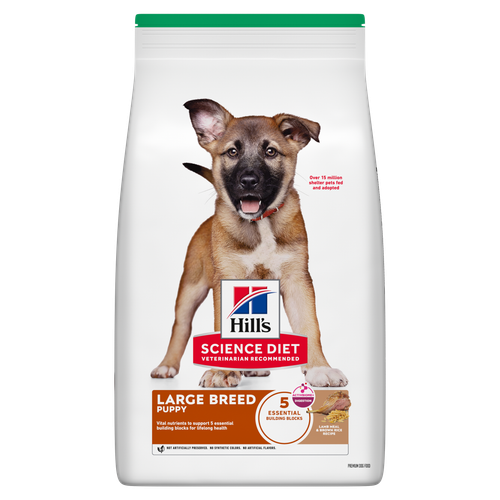
Rottweilers are powerful large-breed dogs that thrive on complete and balanced nutrition tailored to their specific requirements. Because they are a large breed, Rottweiler puppies benefit from a large-breed puppy formula that helps support a healthy growth rate for their developing bones and joints. As adults, maintaining a lean body condition is important for supporting joint health and overall mobility. If recommended by a veterinarian, some Rottweilers may benefit from a formula designed to help manage weight. Using a kitchen scale to measure daily portions is a helpful way to ensure consistency and support long-term vitality. Additionally, a precise balance of vitamins and minerals, including antioxidants like vitamins C and E, helps support a healthy immune system.

Ingredients and Nutrients

Selecting a food with high-quality ingredients is key to supporting a Rottweiler's daily wellness. Look for recipes featuring protein sources — like chicken, lamb, or salmon — to help maintain their powerful, lean muscle mass. To help support a healthy skin and coat, look for omega-6 fatty acids from sources such as vegetable oils and chicken fat.

Fish oil provides the omega-3 fatty acids needed to help nourish their brain, joints, and organs, while prebiotic fibers like fructooligosaccharides (FOS) or beet pulp help support healthy digestion. Finally, balanced levels of calcium and phosphorus help support the strong bone structure this active breed depends on, helping ensure your Rottweiler stays ready for every activity.

Life Stage Considerations

Puppies

Rottweiler puppies need a complete and balanced large-breed puppy food to help them grow up into healthy adults. A large-breed puppy formula has balanced protein, fat and calcium, among other nutrients, to promote healthy development.

Adults

Rottweilers are considered adults from 12 to 18 months of age; talk to your vet about when it is appropriate to start the transition to adult food. The switch to adult food should occur over the course of a week to let your dog's digestive system adjust, even if it's the same brand.

Seniors

Rottweilers are considered seniors at about 6 years old. Senior dog food is usually lower in calories and easy to digest. A large-breed dog food will help keep your Rottweiler healthy in their gray muzzle years.

Weight Management

Rottweilers can be pretty laidback, particularly as they get older, and this decrease in activity may result in some additional weight. If your vet says your Rottweiler should lose some weight, your vet may recommend a weight management dog food.

Rottweiler Breed Characteristics

Rottweilers are intelligent and loving dogs, but socialization and structure are very important to this breed. Rottweilers love their families, but they can be stubborn and may not suit first-time pet parents.

Appearance and Physical Traits

Rottweilers are very distinctive looking, with their large size, blocky heads and signature black-and-tan coloring. Many Rottweilers may be imposing looking, but they are typically sweet, affectionate pups who love to cuddle as much as the next breed. They are solidly built, well-muscled and often compared to a semi-truck.

Breed OverviewBreed Information
Breed sizeLarge
CoatCourse and flat, with an undercoat.
ColorsBlack with tan, rust or mahogany markings
Tail and EarsTail is long, thick and tapering; Ears are triangular and carried forward
Height22 to 27 inches at withers (males are usually taller than females)
Weight80 to 135 pounds (males are usually heavier than females)
Life Expectancy9 to 10 years

Rottweiler Temperament and Personality Traits

Rottweilers can make great family pets with adequate socialization. Many have been known to try to fit onto a lap, even backing up into you, and they often love snuggle time. Strangers may require gradual introductions. Rottweilers can also be stubborn, and training with consistency is key. Their physical strength and size mean they won't be forced to do anything they do not wish to do. Fortunately, with socialization and training, many Rottweilers can be quite agreeable.

Before adopting any breed of dog, it's a good idea to speak to a veterinarian to determine if their health and care needs fit with your household, budget and lifestyle.

Personality and Temperament Trait Scale
Traits are on a scale of 1 to 5, with 1 being the least and 5 being the most.

Dog TraitTrait Scale Value
Energy Level3 (Moderate Energy)
Prey Drive/chase instinct4 (High Drive)
Drooling3 (Moderate Drooling)
Shedding2 (Low Shedding)
Coat maintenance/grooming needs2 (Low Maintenance)
Barking3 (Moderate Vocal)
Social tendencies with people2 (Slightly Reserved)
Trainability4 (Highly Trainable)

Lifestyle Compatibility

Best for

Experienced pet parents familiar with large dogs looking for an exercise buddy or a companion.

Good with

Older children and other dogs when properly introduced. Always monitor children and dogs.

Less suitable for

 First-time pet parents and very small children.

Exercise Needs and Appropriate Activities

Rottweilers are strong, large and require exercise for both mental and physical health. Daily walks in the neighborhood to allow for sniffing and mental stimulation are great, as are organized activities and sports. Rottweilers excel in a number of dog sports, ranging from barn hunts to agility to cart pulling, like their ancestors.

Training

Rottweilers are usually food-motivated, but it may take some work to find the right treat that is really meaningful to your Rottweiler. Clicker training is often effective with this breed (once you find that perfect treat to associate with the clicker!) As young adults, they may test the boundaries of what they can get away with, so consistent training and communication are important to keeping a strong relationship.

Rottweiler Health and Wellness

As large-breed dogs, Rottweilers can be prone to the common ailments of other dogs in their class, and here are a few examples.

Potential Health Issues

Hip or elbow dysplasia

Rottweilers, weighing almost 100 pounds, need healthy joints to support their weight. So when a joint (commonly hips and elbows in Rottweilers) doesn't develop correctly, it can result in pain and inflammation.

Entropion

Rottweilers can be prone to this particular eye disease, which is actually a disease of the eyelids. Dogs with entropion have eyelids with excessive skin, causing it to curl inward and rub the eyeball, resulting in tearing, discharge and pain. Good news: Eyelid surgery can fix this.

Heart disease

One particular birth defect of the heart is SAS, or subaortic stenosis. Rottweilers that have this will have an abnormal heartbeat, called a heart murmur, on a physical exam. This is a very severe disease that the American Rottweiler Club is working to eradicate from the breed.4

Grooming Needs

While their fur is on the shorter side, Rottweilers are considered medium-haired, and they do have an undercoat.2 So while grooming needs are lower than many other breeds, Rottweilers still shed and require brushing, especially during the high-shedding seasons. Professional grooming is rarely needed, unless you just want someone else to bathe them because of their size (nothing wrong with that!) Rottweilers don't require frequent baths, but they are prone to tomfoolery such as rolling in things outside that would warrant a bath. 

These couch potatoes will require regular nail trims, so it's important to start early with your puppy to get them used to the feeling of having their nails being trimmed. Brush teeth daily with a dog-specific toothpaste.

Is a Rottweiler Your New Furry Friend?

Rottweilers can be intimidating looking, but babies on the inside! As some can be strong-willed, they thrive with a confident pet parent. With socialization and positive, reward-based training, your Rottweiler can be a devoted partner.

Resources For New Pet Parents

Adopt a pet. Change a life.

Pet Adoption Resources

Get expert tips for a long and happy life with your new best friend.

New dog guide

Rottweiler Dog Breed FAQs

Dogs who are poorly bred and not socialized early in puppyhood can develop anxiety and behavior problems later in life. Behavior issues can be genetic, so it is additionally important to provide socialization and training.

With proper introductions and monitoring, Rottweilers can live with smaller dogs and even cats. In fact, many Rottweilers are bossed around by the cat in the house. It's important to introduce slowly and monitor interactions in the beginning.

These gentle giants can make great therapy dogs with the right training and exposure. In fact, Rottweilers are popular therapy dogs because their large size makes them huggable and easy to pet.

References

  1. American Kennel Club, "Rottweiler History: From Working Dog to Sporting, Therapy Dog," American Kennel Club, 2025, https://www.akc.org/expert-advice/dog-breeds/rottweiler-history/

  2. American Kennel Club, "Official Standard of the Rottweiler," American Kennel Club, 2022,  https://images.akc.org/pdf/breeds/standards/Rottweiler.pdf

  3. American Kennel Club, “Boxer Dog Breed Information,” American Kennel Club, 2025, https://www.akc.org/dog-breeds/rottweiler/

  4. American Rottweiler Club, "Rottweiler Breed Health," American Rottweiler Club, 2025, https://www.amrottclub.org/about-the-rottweiler/breed-health/