Leonberger Dog Breed Guide

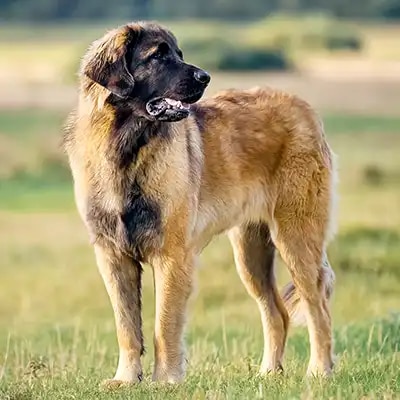
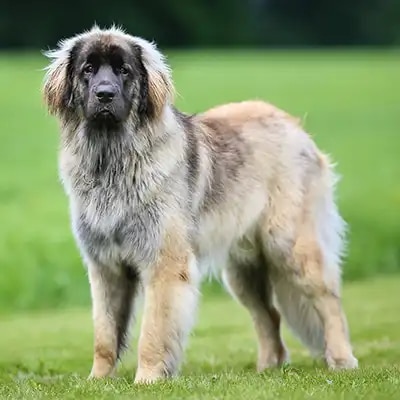
The Leonberger is a giant, gentle dog who looks like a lion, loves you deeply and is a surprisingly ridiculous goofball with those they trust. The "Leo" is a German family dog, bred to be a strong protector. These teddy-bear-looking dogs are a great fit for people who can provide the structure, social time and daily human connection they need. Leonbergers think your home is their kingdom and you are their royalty. If you can brave the hair, the care and the drool, then this sweet-natured dog will give you their whole heart. 

Energy Level

Energy Level

Prey Drive

Prey Drive

Drooling

Drooling

Shedding

Shedding

Coat maintenance / grooming needs

Coat maintenance / grooming needs

Barking

Barking

Social tendencies with people

Social tendencies with people

Trainability

Trainability

The Origins of the Leonberger Dog Breed

The origin story of this giant floof begins in Leonberg, Germany, in the mid-19th century. People needed a canine companion that could protect them in town (because things were wild in the 1800s). Enter the Leonberger. These dogs were originally bred by crossing large mountain and water rescue working dogs, and today they are known for their stability, utility and unshakeable loyalty. The breed survived near–wartime extinction, but dedicated breeders brought the Leonberger back through careful selection. Today, the Leonberger has been recognized by the American Kennel Club since 2010 as part of the Working Group. 

Group/classWorking Group (AKC), Guardian Dog Group (United Kennel Club)
Club recognitionLeonbergers were first recognized by the AKC in 2010 and in 1991 by the UKC.
Instincts, function and purposeLeonbergers were originally bred as protectors in dangerous towns. Today, they are known as lovable and loyal members of pet families.
AdaptabilityLeonbergers are highly adaptable, thanks to their calm demeanor.
Breed standardsLeonberger Club of America, UKC Official Standard

Nutrition for Leonbergers

Leonbergers are powerful, giant-breed dogs that benefit from nutrition tailored to their specific requirements. To support their large frame and lean muscle mass, they thrive on a complete and balanced diet. Because of their significant size, Leonberger puppies benefit from precise levels of calcium and phosphorus that help support a healthy growth rate and proper skeletal development. Maintaining a lean body condition throughout adulthood is important for reducing stress on their joints and supporting mobility. Additionally, a balance of vitamins and minerals, including antioxidants like vitamins C and E, helps support a healthy immune system and overall well-being.

Ingredients and Nutrients

Selecting a food with high-quality ingredients is key to supporting a Leonberger’s daily wellness. High-quality protein sources — like chicken, lamb, or salmon — help maintain lean muscle on their large frame. To help support a healthy skin and coat, look for omega-6 fatty acids from sources such as vegetable oils and chicken fat.

Fish oil provides the omega-3 fatty acids needed to help nourish their brain, joints, and organs, while prebiotic fibers like fructooligosaccharides (FOS) or beet pulp help support healthy digestion. Finally, balanced levels of calcium and phosphorus help support the strong bone structure needed for their active lifestyle, helping ensure your Leonberger stays comfortable and mobile.

Life Stage Considerations

Puppies

Leonberger puppies can take up to two years to mature into full adulthood. While they are growing, they need nutrition that supports healthy development to protect joints.

Adults

Adult Leonbergers do best on a nutrition routine that keeps their weight stable and their energy dependable. Look for a formula that provides complete and balanced nutrition for maintaining joint health and lean muscle.

Seniors

Providing the right nutrition can help Leonbergers age gracefully. Choose a senior-oriented formula that supports aging joints so older Leos can stay comfortable and mobile. Seek food that is highly digestible and can help keep the immune system, brain, heart and kidneys healthy.

Weight Management and Joint Support

Unhealthy weight gain results in increased wear and tear on joints, which can be devastating for a Leonberger. Keep them at a proper weight to promote mobility and healthy aging. Choose a pet food formula that helps manage weight while providing joint-supportive nutrients. 

Ask your veterinarian how much a Leonberger should weigh, what the best food to feed is and how much to feed to maintain a healthy weight. Limit treats and people food to less than 10% of daily caloric intake, and use a kitchen gram scale to determine proper portions.

Leonberger Dog Breed Characteristics

The Leonberger dog breed is a giant working dog known for their strength, calm demeanor and versatility as both a family companion and service dog. They are even-tempered, trainable and thrive on close human interaction.

Appearance and Physical Traits

The Leonberger has a large, well-muscled body covered by a medium-long, water-resistant double coat that ranges in color but always features a black mask on the face. They look like a lion with a kind expression. Their bushy tail reaches their ankles, and their medium-sized, high-set ears hang close to the head. Broad-chested and sturdy, they are powerful yet surprisingly agile.

Breed OverviewBreed Information
Breed sizeGiant
CoatMedium-long double coat, water-resistant
ColorsYellow, red or reddish-brown, with a black mask on the face
Tail and EarsBushy tail reaches the hock; ears medium-sized, pendulous, set high¹
Height28 to 31.5 inches (males are usually taller than females)
Weight110 to 170 pounds (males are usually heavier than females)
Life Expectancy7 to 8 years

Leonberger Temperament and Personality Traits

Leonbergers are sweet-tempered dogs, even more so when they are properly socialized and introduced to the world during the critical brain growth period of 6 to 15 weeks of age. Adults are known to assess before acting. They are happiest with their people, but they tend to be friendly-ish with nice folks they trust. Remember that this dog was bred to be a thoughtful and protective guard dog. 

Adolescence is when they start to act protective and test boundaries (does "sit" really mean "sit"?), so it is important to train them with solid obedience cues before then. Protective behaviors in Leonbergers manifest as door blocking or quiet observations. If you see this, give them time and space to process and be chill. If you are calm, they are more likely to be calm as well.

Leonbergers do best with routine, structure and clear, consistent, kind instructions. They will need a lot of repetitions before they get it and do best with short, positive sessions. Bored Leonbergers will mastermind their own entertainment, like chewing your stuff or digging up your yard. 

Personality and Temperament Trait Scale
Traits are on a scale of 1 to 5, with 1 being the least and 5 being the most.

Dog TraitTrait Scale Value
Energy Level3 (Moderate Energy)
Prey Drive/chase instinct3 (Moderate Drive)
Drooling4 (High Drooling)
Shedding5 (Very High Shedding)
Coat maintenance/grooming needs4 (High Maintenance)
Barking2 (Quiet)
Social tendencies with people3 (Balanced)
Trainability3 (Moderate Trainable)

Lifestyle Compatibility

Best for

Families wanting a social indoor companion with space to stretch.

Good with

Respectful children and friendly household pets. Always monitor children and dogs.

Less suitable for

Tight apartments or homes unable to provide socialization, training, grooming and veterinary care this dog requires.

Before adopting any breed of dog, it's a good idea to speak to a veterinarian to determine if their health and care needs fit with your household, budget and lifestyle.

Exercise Needs and Appropriate Activities

Leonbergers need at least 60 minutes of combined physical exercise and mental work at least six days a week. Brisk leash walks, supervised swimming, structured play and basic obedience games are all great options. Indoor days can include scent games or puzzle feeders, but they really should leash walk every day. Protect puppies’ growing joints by avoiding jumping and long-distance running until growth plates close, which can take up to 18 to 24 months. Ask your veterinarian if you are unsure when they are clear for adult play and food.

Training

skills, including house training, name recognition, basic obedience, walking calmly on a loose leash, recall, settling on a mat, polite greetings and cooperative care — comfort with paw, body and mouth handling for veterinary and grooming visits. Short, positive sessions help Leonbergers understand expectations. Draft work, water activities and therapy training can satisfy their working heritage once the basics are strong.

Leonberger Health and Wellness

Overall, Leonbergers are generally healthy, but like many giant dogs, they carry some concerns. Regular vet care, complete and balanced nutrition, appropriate exercise and a lean body weight go a long way in supporting health. 

Leonberger Potential Health Issues

Developmental joint disease

 Hip and elbow developmental joint problems exist in large breeds. Responsible breeding reduces disease incidence. Appropriate puppy nutrition and exercise and a lean body condition can help reduce stress on joints. Talk to your vet about early screening and appropriate spay/neuter timing. 

Gastric dilatation-volvulus, also known as bloat

This life-threatening condition can occur when the abdomen expands and blocks blood flow to the heart. Deep-chested giant dogs have an elevated risk, which increases with age. Discuss risk factors and surgical options (gastropexy) with your veterinarian.

Inherited nerve diseases

Leonberger polyneuropathy (LPN) and laryngeal paralysis can affect mobility and breathing. DNA testing is available.

Grooming

Leonbergers have a medium-long double coat that sheds year-round and heavily seasonally. Brush them weekly with tools that reach the undercoat. Brush daily during shedding season, and do yourself a favor and have them professionally groomed (everybody will be thankful). Bathe as needed with a gentle dog shampoo. Be sure to rinse and dry very well, as the thick double coat can trap soap residue and moisture. Leonbergers enjoy a medium-temperature blow-dry outdoors. Check ears weekly for redness or odor, trim nails every three to four weeks or as needed and brush teeth daily with a dog-specific toothpaste to reduce plaque and tartar accumulation. 

Is a Leonberger Your New Furry Friend?

If you want a gentle and adorable protector who believes family togetherness is the most important job on earth, congratulations, the Leonberger dog breed fits your request perfectly. They enjoy being included in the daily routine and feel proud when everyone is accounted for. In exchange, expect dependable loyalty, quiet confidence and a distinguished mane. 

Resources For New Pet Parents

Adopt a pet. Change a life.

Pet adoption

Get expert tips for a long and happy life with your new best friend.

Dog Guide

Is a Leonberger Your New Furry Friend?

Yes. Leonbergers need daily physical and mental exercise to stay comfortable and confident. Plan for 60-plus minutes each day.

Many Leonbergers live peacefully with other pets when socialized early and supervised around unfamiliar animals.

Yes. Leonbergers shed all year and especially during seasonal coat blow. Weekly brushing helps manage loose hair.

Leonbergers may suit first-time homes that provide structure, training and time. Their giant size adds household logistics to consider.

Leonbergers are giant dogs. They can grow from 28 to 31.5 inches and weigh between 110 to 170 pounds.

References

  1. American Kennel Club. “Official Standard of the Leonberger.” Accessed October 28, 2025. https://images.akc.org/pdf/breeds/standards/Leonberger.pdf

  2. Glickman, Lawrence T., Nita W. Glickman, Diana B. Schellenberg, Malathi Raghavan, and Tana Lee. “Non-Dietary Risk Factors for Gastric Dilatation-Volvulus in Large and Giant Breed Dogs.” Journal of the American Veterinary Medical Association 217, no. 10 (2000): 1492–1499. https://doi.org/10.2460/javma.2000.217.1492

  3. Hadji Rasouliha, Sheida; Laura Barrientos; Linda Anderegg; Carina Klesty; Jessica Lorenz; Lucie Chevallier, et al. “A RAPGEF6 Variant Constitutes a Major Risk Factor for Laryngeal Paralysis in Dogs.” PLOS Genetics 15, no. 10 (2019): e1008416. https://doi.org/10.1371/journal.pgen.1008416

  4. Becker, Doreen, Katie M. Minor, Anna Letko, Kari J. Ekenstedt, Vidhya Jagannathan, Tosso Leeb, et al. “A GJA9 Frameshift Variant Is Associated With Polyneuropathy in Leonberger Dogs.” BMC Genomics 18 (2017): 662. https://doi.org/10.1186/s12864-017-4081-z

  5. University of Minnesota, Canine Genetics Lab. “Leonberger Health Panel.” Accessed October 28, 2025. https://vetmed.umn.edu/research/research-labs/canine-genetics-lab/canine-genetics-testing/leonberger-health-panel