

English Mastiff Dog Breed Page

If you are looking for a gentle roommate who takes up the entire couch and your whole heart, the English mastiff is worth a serious look. This giant canine protector is known for their devotion, gentleness and reassuring presence. Give these dogs daily structure, time with their people and a soft spot to nap. In return, you'll get an affectionate protector with a slobbery smile that makes every day better.

Energy Level

Energy Level

Prey Drive

Prey Drive

Drooling

Drooling

Shedding

Shedding

Coat maintenance / grooming needs

Coat maintenance / grooming needs

Barking

Barking

Social tendencies with people

Social tendencies with people

Trainability

Trainability

The Origins of the English Mastiff Dog Breed

The English mastiff is one of the oldest known dog breeds in the world. Early records show mastiff-like dogs depicted in historical reliefs dating back to 2500 B.C. Ancient Roman-era writers note that British dogs were used in warfare and highly valued for their ferocity, suggesting that mastiff-type dogs played a military role in Britain’s ancient past.2,3

By the 1800s, mastiffs were used to guard British estates and support gamekeepers, and were highly valued for their massive frame, observant nature and calm presence. The breed nearly went extinct during the early 1900s due to wartime food shortages and limited breeding, but dedicated breeders rebuilt the population. Today’s English mastiff is a family-oriented dog, better suited to supervised sofa security than battlefield duty.

Breed OverviewBreed Information
Group/classWorking Group (AKC), Guardian Dog Group (UKC)
Club recognitionAmerican Kennel Club, United Kennel Club
Instincts, function and purposeEarly ancestors of the breed are believed to have worked as farm guard dogs and early European war dogs. Today, they're valued as gentle and protective family dogs.
AdaptabilityEnglish mastiffs do well in calm households that respect their space but appreciate the affection when it's given.
Breed standardsMastiff Club of America, UKC Official Standard

Nutrition for English Mastiffs

English mastiffs are gentle giants with unique nutritional requirements due to their massive size and slower metabolism. Because they undergo such significant physical development, mastiff puppies require balanced levels of calcium and phosphorus to help support a healthy growth rate and skeletal development.

Throughout adulthood, weight management is a primary focus, as even a small amount of weight can place unnecessary stress on a giant breed’s joints. Helping your mastiff maintain a lean body condition is one of the most impactful ways to support their long-term comfort and vitality. Additionally, a precise balance of vitamins and minerals, including antioxidants like vitamins C and E, helps support a healthy immune system.
Ingredients and Nutrients

Choosing a food with high-quality ingredients is key to supporting an English mastiff’s daily wellness. Look for recipes featuring protein sources like chicken, lamb, or salmon to help maintain the lean muscle needed to support their large frames. To help support a healthy skin and coat, look for omega-6 fatty acids from sources such as vegetable oils and chicken fat.

Fish oil provides the omega-3 fatty acids needed to help nourish their brain, joints, and organs, while prebiotic fibers like fructooligosaccharides (FOS) or beet pulp help support healthy digestion. Finally, balanced ratios of calcium and phosphorus help support the strong bone structure a giant breed depends on, helping ensure your mastiff stays comfortable and active for years to come.

Life Stage Considerations

Puppies

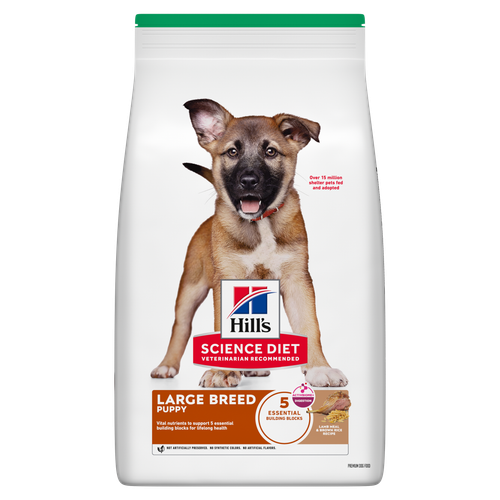
mastiff puppies can take up to two years to reach full maturity. During this time, be sure to feed appropriate amounts of a complete and balanced large-breed puppy food formulated specifically to support the growth of giant-breed puppies. Their appetite will increase during growth spurts. Work with your veterinarian to correctly adjust food as necessary during growth periods without overfeeding.

Adults

Because mastiffs are so large and low-energy, keeping them lean helps reduce the risk of orthopedic issues. Adult English mastiffs need a complete and balanced large-breed adult dog food that supports muscle tone, joint health, internal organ health and healthy digestion.

Seniors

Senior English mastiffs thrive on easy-to-digest dog food that has fewer calories and more joint-supportive nutrients like omega-3 fatty acids. As a senior dog's metabolism slows, maintaining lean mass becomes crucial to prevent excess strain on joints and the heart. Talk to your vet about the best senior formula to feed your dog.

Weight and joint support

Extra weight increases inflammation and joint stress in giant-breed dogs and negatively impacts long-term health and mobility. Check their body condition monthly to ensure they are staying lean, and work with your vet to determine a daily calorie target. Measure meals with a kitchen gram scale for accuracy and limit treats to under 10% of daily calories. If you notice your dog is gaining weight, ask your vet about therapeutic weight-loss dog food recommendations.

English Mastiff Dog Breed Characteristics

An English mastiff doesn’t just walk into a room — they settle into it like they’ve always belonged there. Massive yet mellow, they radiate calm authority with a single look. Behind those deep, thoughtful eyes is a loyal companion who measures life in dedication, naps and the quiet satisfaction of keeping watch over their world.

Appearance and Physical Traits

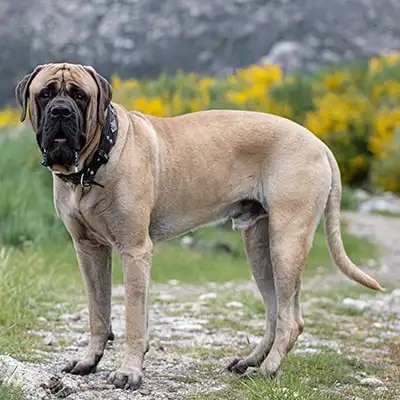
The English mastiff is instantly recognizable for its sheer size, with a broad chest and massive frame that give it a commanding presence. Their large, square head is softened by loose folds of skin and a dark mask that highlights their deep, expressive eyes. A short, dense coat lies smoothly across their body, often in shades of fawn, apricot or brindle, adding to their stately look. Despite their towering build and powerful stance, there’s a gentleness in the way they carry themselves, making their physical appearance as reassuring as it is impressive.

Breed OverviewBreed Information
Breed SizeGiant
CoatShort, straight
ColorsApricot, brindle, fawn
Tail and EarsLong, high-set tail; medium pendulous ears
Height27.5 to 30 inches and up (males are usually taller than females)1
Weight120 to 230 pounds (males are usually heavier than females)1
Life Expectancy6 to 10 years

English Mastiff Temperament and Personality Traits

Mastiffs are intelligent, affectionate protectors who like life calm, consistent and slow enough to sniff all the things. They tend to observe situations and people quietly before deciding whether something or someone is worth reacting to. With their inner human circle, they are deeply loyal, often forming a primary attachment to one person while still loving the entire household. If you are that person, expect a large shadow following you around wherever you go.

With strangers, most English mastiffs act reserved and observant until they have enough information to relax. These dogs prefer polite introductions with personal space and time to decide whether they like someone or not. They are a guarding breed, and their instinct to protect usually gets bigger during adolescence, so guiding those instincts while they are still puppies helps prevent unwanted suspicion of the mail carrier or any other guests to your home.

Around other dogs and cats, mastiffs often do well when socialized early and introductions are supervised and done in a steady, respectful way. Slow introductions, separate feeding spaces and resources and training for calm coexistence help everyone stay safe and happy. The prey drive of an English mastiff is moderate to low, but a fast-running squirrel may still activate the “chase first, think later” part of their brain.

Mastiffs can have a stubborn streak. Reward-based training, consistency and a sense of humor go a long way with an English mastiff. Once they know their role and their people, they will step up as a dependable roommate who watches the world, guards the snacks and likes you right where they can see you.

Personality and Temperament Trait Scale

Traits are on a scale of 1 to 5, with 1 being the least and 5 being the most.

Dog TraitTrait Scale Value
Energy Level2 (Low Energy)
Prey drive2 (Low Drive)
Drooling5 (Very High Drooling)
Shedding3 (Moderate Shedding)
Grooming needs2 (Low Maintenance)
Barking2 (Quiet)
Social tendencies with people3 (Balanced)
Trainability2 (Somewhat Difficult)

Lifestyle Compatibility

Best for

Experienced pet parents with space, secure fencing and commitment to training and healthcare.

Good with

Families who enjoy a peaceful home life and respect a dog’s personal space. Always monitor children around dogs.

Less suitable for

First-time dog parents, people in small apartments, folks who dislike drool or homes with frequent chaos or unpredictable routines, households with small children.

Before adopting any breed of dog, it's a good idea to speak to a veterinarian to determine if their health and care needs fit with your household, budget and lifestyle.


Exercise Needs and Appropriate Activities

English mastiffs need moderate exercise almost every day. Plan for 45 to 60 minutes of combined physical and mental work each day. Mastiffs like consistent routines, not high-intensity aerobics. Brisk leash walks, opportunities to sniff and explore and obedience sessions are perfect choices for this breed. They also enjoy puzzle feeders and indoor scent hide-and-seek games on days with inclement weather.

For giant-breed puppies like mastiffs, protect their growing joints by avoiding long runs, repetitive jumping or rough tug games until physical maturity is achieved (often 18 to 24 months). Swimming, hill walking and controlled play on soft ground are good choices for young, growing dogs. 

Training English Mastiff Dogs

Training works best when you begin early and make it part of daily life. Short, upbeat sessions build trust with dogs like mastiffs that respond to tone. Focus on essentials like "sit," "stay," loose-leash walking, polite greetings, recall and calm relaxation. Mastiffs learn best through frequent short lessons, not long drills. Mastiffs like to think before doing. They are intelligent and cooperative but may pause to think before acting. Praise, treats and consistency across family members encourage participation. Calm, confident leadership helps them relax. It is recommended to work with a dog trainer experienced in giant guarding breeds.

Early socialization for puppies between 6 weeks to 16 weeks old is critical. New experiences with people, places and experiences builds confidence and prevents anxiety or defensive behavior. As protective instincts grow in adolescence, teach young dogs that doorbells, delivery drivers and new sounds are normal. Pair triggers with treats and simple cues like “sit” or “go to your spot.” Redirect them calmly, reward relaxed behavior and seek help early if they display anxious behavior, such as pacing, barking or blocking doorways.

English Mastiff Health and Wellness

Mastiffs are generally healthy when responsibly bred and cared for. However, their size and conformation increase certain risks. You can prevent a lot of problems by keeping them lean, active and parasite-free; feeding them high-quality nutrition and having them checked regularly by your vet.

Potential Health Issues

Developmental joint Disease

In giant breed dogs, hips and elbows are vulnerable to several joint disorders. Help reduce risk through early veterinary screening, keeping puppies lean and eating a complete and balanced large-breed puppy food and minimizing high-impact exercise while growth plates are still open. Talk to your veterinarian for more recommendations, including the right time for spaying and neutering for joint health. If you notice limping, call your vet right away. Early treatment can lower the risk of osteoarthritis.

Orthopedic injuries

Because of their large body mass, slips and falls can be a big deal for English mastiffs. Provide flooring that has attraction and keep your dogs athletically conditioned so their muscles support their giant frame.

Retinal disease

Early onset retinal detachment can occur and lead to vision problems in some dogs. Genetic testing is available.5

Grooming Needs

The English mastiff’s coat is short and relatively easy to care for. A weekly brushing with a rubber curry or soft bristle brush helps remove loose hair and keeps their skin healthy. These dogs do shed, especially seasonally. 

Bathe them as needed with a gentle dog shampoo and trim their nails every three to four weeks or as needed. Check their ears routinely for debris, odor or redness, and clean them only as directed by your vet. Mastiffs often have facial folds and generous jowls, so keep unscented wipes on hand to clean their mouth after meals to help prevent odor or irritation. Brushing their teeth every day with enzymatic toothpaste supports good oral health.

Is an English Mastiff Your New Furry Friend?

Maybe you want a dog who can double as a weighted blanket and a home security system. Maybe you enjoy quiet company who can be a little intimidating to outsiders. Whatever the reason, English mastiffs combine surprising gentleness with a powerful presence and protective demeanor. They can be sweet additions to the family when treated with care and kindness.

Resources For New Pet Parents

Adopt a pet. Change a life.

Pet Adoption Resources

Get expert tips for a long and happy life with your new best friend.

New dog guide

English Mastiff Dog Breed FAQs

English mastiffs can live peacefully with other pets when introductions are slow, respectful and supervised. They appreciate clear boundaries and may need guidance to prevent resource guarding.

Yes, English mastiffs are professional droolers. Keep towels nearby.

English mastiffs are not usually the best choice for beginners. Their massive size and natural protectiveness call for calm, confident leadership and experience with the breed.

English mastiffs are naturally reserved with new people, watching quietly until they decide someone is trustworthy. Early and positive socialization helps them grow into polite, confident adult dogs.

References

  1. American Kennel Club. “Mastiff Dog Breed Information.” Accessed October 2025. https://www.akc.org/dog-breeds/mastiff/.

  2. Strabo. The Geography of Strabo. Translated by H. L. Jones, Cambridge: Harvard University Press. 1917.

  3. Grattius. The Cynegetica of Grattius. Edited and translated by Joseph Stevenson, London: Longman. 1846.

  4. Veterinary Genetics Laboratory, University of California, Davis. “Canine Multifocal Retinopathy (CMR1).” Accessed October 2025. https://vgl.ucdavis.edu/test/cmr1.

Dr. Sarah Wooten Dr. Sarah Wooten

Dr. Sarah Wooten graduated from UC Davis School of Veterinary Medicine in 2002. A member of the American Society of Veterinary Journalists, Dr. Wooten divides her professional time between small animal practice in Greeley, Colorado, public speaking on associate issues, leadership, and client communication, and writing. She enjoys camping with her family, skiing, SCUBA, and participating in triathlons.