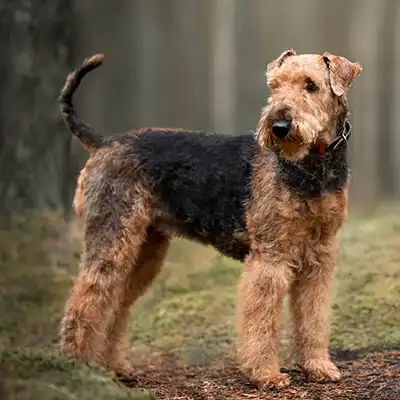
American Bulldog Dog Breed Guide

Born from the working farms of the American South, the American bulldog dog breed grew up hauling, guarding and helping … then figured out how to nap on the front porch with equal passion. Strong, confident and quick to show affection, this breed carries the grit of their ancestors and the warmth of a lifelong friend. If you’ve met them, then you know. One minute they’re chasing adventure, the next they’re sprawled upside-down snoring, just to remind you life’s not all hard work.

Energy Level

Energy Level

Prey Drive

Prey Drive

Drooling

Drooling

Shedding

Shedding

Barking

Barking

Social tendencies with people

Social Tendencies With People

Trainability

Trainability

The Origins of the American Bulldog

The modern American bulldog descends from the working English bulldogs who arrived in the American South with English immigrants in the 17th and 18th centuries. Farmers valued these dogs as useful helpers with many talents: driving cattle, guarding homesteads and protecting against wild animals. Over generations, they were bred for endurance, courage and loyalty.

By the mid-20th century, the American bulldog nearly disappeared during the World Wars until dedicated breeders helped preserve the genetics. In particular, two men, John D. Johnson and Alan Scott, revived the breed after World War II. Dogs descended from the “Johnson line” are more bully type: bulkier and heavier. The “Scott line” are the more standard bulldogs: athletic with longer noses. Today, the American bulldog thrives as a loyal family companion.

The American bulldog is currently part of the American Kennel Club’s Foundation Stock Service® (FSS), a registry for purebred breeds working toward full AKC recognition. Because the AKC recognizes new breeds annually, it is a good idea to check their official status periodically for updates on their journey toward full recognition.1

Group/classNot yet established at AKC, Guardian Dog (United Kennel Club)
Club recognitionUKC
Instincts, function and purposeAmerican bulldogs were bred for driving cattle, guarding homesteads and protecting against wild animals. Today, they serve primarily as family companions.
AdaptabilityIntelligent and stubborn, American bulldogs have a medium adaptability. They can thrive in big cities or rural areas.
Breed standardsAKC Official American Bulldog Standard, UKC Breed Standard

Nutrition for American Bulldogs

American bulldogs are powerful, energetic companions that thrive on a complete and balanced diet tailored to their athletic needs. Precise nutrition helps support their lean muscle mass and maintain their overall vitality. For puppies expected to reach a large adult size, a large-breed puppy formula helps support a healthy growth rate for developing bones and joints. Throughout their life, a balance of vitamins and minerals is key; antioxidants like vitamins C and E help support a healthy immune system and overall well-being.

Ingredients and Nutrients

Choosing a food with the right ingredients is key for supporting your American bulldog's daily wellness. High-quality protein sources—like lamb, chicken, or salmon—help maintain lean muscle. To help support a healthy skin and coat, look for omega-6 fatty acids from sources such as vegetable oils and chicken fat.

Fish oil provides the omega-3 fatty acids needed to help nourish their joints, brain, and organs, while prebiotic fibers like fructooligosaccharides (FOS) or beet pulp help keep their digestion on track. Finally, balanced levels of calcium and phosphorus help support the strong bones and joints this active breed depends on, helping ensure they stay ready for every adventure.

Life Stage Considerations

Puppies

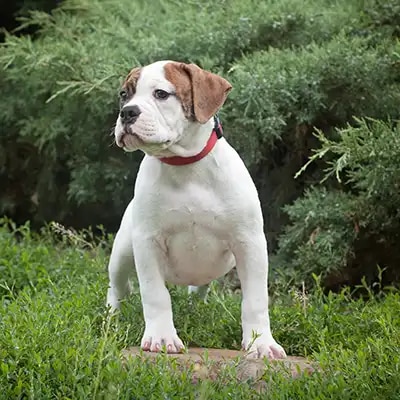
American bulldog puppies can take up to 18 months for their bones and joints to fully mature. While they are growing, feed complete and balanced large-breed puppy food that is formulated with specific calcium-to-phosphorus ratios to support healthy growth and development. Talk to your veterinarian about when the best time is to transition them to adult food.

Adults

Adult American bulldogs benefit from nutrition that supports lean muscle, heart health and energy without excessive calories. Look for foods with high-quality protein, moderate fat and controlled carbohydrate content to maintain an ideal body condition. Including omega-3 fatty acids and antioxidants also helps support skin health and overall wellness in this muscular breed.

Seniors

Senior bulldogs may experience reduced activity levels, slower metabolism and joint stiffness as they age. A senior-specific formula with fewer calories, added joint-support nutrients like fish oil and highly digestible proteins supports long-term comfort and vitality. Regular veterinary checkups and portion adjustments help support healthy weight while maintaining muscle tone and mobility.

Weight Management and Joint Support

Maintaining a healthy weight is vital for an American bulldog, as excess weight is an inflammatory condition that can place significant stress on their joints. To help manage their intake, always measure their food with a kitchen scale and ensure treats make up less than 10% of their daily calories. If an American bulldog is struggling with excess weight, they may benefit from therapeutic nutrition and a personalized weight-management plan, both of which should be determined by your veterinarian.

American Bulldog Dog Breed Characteristics

The American bulldog is a powerful, athletic breed known for its confidence, loyalty and strong working heritage. Originally bred for farm and guard work, today’s American bulldog is a devoted family companion that combines strength, intelligence and an affectionate temperament.

Appearance and Physical Traits

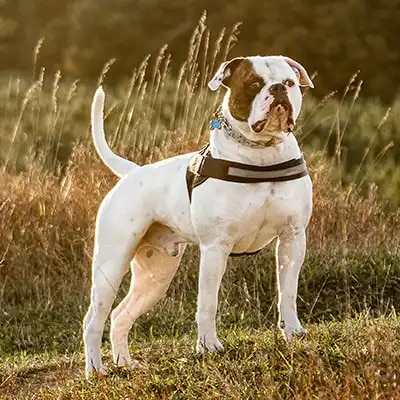
The American bulldog is a large, muscular, sturdy dog with a short, close-fitting coat that highlights its athletic build. Traditionally white, the breed can also feature a variety of colors and patterns. With a broad head, very strong jaw, thick tail base and medium, high-set ears, the American bulldog presents a confident, balanced appearance that reflects its history as a worker and protector.

Breed OverviewBreed Information
Breed sizeLarge
CoatShort
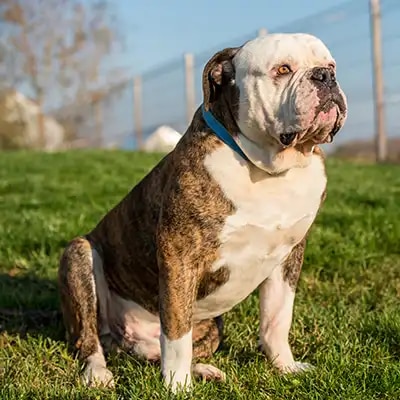
ColorsTraditionally white, but any color, color pattern or combination of colors on the white coat is acceptable. Color combinations can include brown, black, brindle, red or tan.¹
Tail and EarsTail thick at the base; ears medium and set high
Height 22 to 25 inches (males are usually taller)
Weight75 to 100 pounds (males are usually heavier)
Life Expectancy10 to 12 years

American Bulldog Temperament and Personality Traits

The American bulldog dog breed is a working soul wrapped in pure goofball charm. Bred to stand shoulder to shoulder with farmers, they still carry that “let’s get ‘er done!” mindset into everything they do. Bulldogs are typically courageous, confident and comedic, famous for their expressive grumbles and dramatic couch flops.

With family, the American bulldog is affectionate and loyal, often attaching closely to one or two people but still showing affection and tolerance to the entire household. They love being indoors with their people, resting where they can see everyone, but they also expect daily outdoor work and fun. Bulldogs that are raised with children are patient with small humans, though supervision is always recommended.

American bulldogs tend to watch strangers quietly before deciding how to respond. Early exposure (socialization) to guests, neighbors and new situations helps them learn to be calm around everyday things and noises. Their prey drive sits in the middle of the scale; quick movement gets their attention, but they respond well to recall and redirection.

These dogs are smart and respect clear direction and steady routines. They enjoy learning, especially when there’s a reward. While they are moderately food motivated, what really inspires them is your approval. Combine treats with praise and you’ll see focus and enthusiasm that rivals any retriever. Confident handling brings out their best qualities. When guided with fairness and consistency, the American bulldog becomes a joyful mix of athlete, comedian and steadfast protector who works hard and naps even harder.

Personality and Temperament Trait Scale
Traits are on a scale of 1 to 5, with 1 being the least and 5 being the most.

Dog TraitTrait Scale Value
Energy Level4 (High Energy)
Prey Drive3 (Moderate Drive)
Drooling2 (Low Drooling)
Shedding2 (Low Shedding)
Barking3 (Moderate Vocal)
Social Tendencies With People 5 (Extremely Social)
Trainability4 (Highly Trainable)

Lifestyle Compatibility

Best for

Active families who enjoy daily walks, consistent routines and dogs who thrive on structure.

Good with

Older children and confident adults willing to invest time in training and socialization. Always monitor children around dogs.

Less suitable for

Sedentary homes, long workdays, people who prefer a hands-off training style, or households with small children.

Before adopting any breed of dog, it's a good idea to speak to a veterinarian to determine if their health and care needs fit with your household, budget and lifestyle.

Exercise Needs and Appropriate Activities

The American bulldog may no longer chase cows, but they still need to run. Expect 60 minutes or more of physical and mental engagement daily. Without it, they’ll invent their own entertainment ... usually involving furniture or landscaping and not to your taste. On quieter days, games like scent work, puzzle feeders or “find it” hide-and-seek sessions let them problem-solve and relax.

Ideal activities for American bulldogs combine physical exercise with mental engagement. Power walks, hikes, carrying backpacks or light jogs build endurance, while obedience drills, scent-tracking and snuffle mats stimulate focus and scenting instincts. Structured tug-of-war using “take it” and “drop it” cues, agility-style games, backyard obstacle courses and fetch sessions all channel energy productively. For dogs with strong working drives, safe, supervised weight-pulling or resistance play satisfies their instinct to work. Purpose builds peace for this breed.

Training American Bulldogs

As with all dogs, start training early with basic obedience, name recognition and socialization. The American bulldog has a natural guarding instinct. When training, focus on building control through early socialization and neutral exposure, not suppression. A well-socialized American bulldog doesn’t lose their protective edge; they simply learn to tell the difference between “new” and “threat.” Additional important skills to master include "drop it/leave it," calm greetings, loose-leash walking and settling on a mat.

American bulldogs are bright and eager to please but also demand clear, consistent instruction from you. Short, positive sessions are the most successful, and remember to praise them when you give them a treat because your approval is what motivates them the most.

Teaching cooperative care skills early is essential for this breed (and for the people handling them). Teaching them to willingly accept ear cleaning, nail trims, toothbrushing and vet handling not only reduces stress but also reinforces trust. Use positive reinforcement and predictable routines, rewarding calm behavior during touch and restraint practice. American bulldogs that learn cooperative care early grow into relaxed, confident adults who handle exams like professionals.

American Bulldog Health and Wellness

In general, the American bulldog is considered a healthy breed. As with all large-breed dogs, there are some joint issues to be aware of, and the bulldog has a few other conformational issues to be mindful of. To support lifelong health, keep an American bulldog lean, feed them complete and balanced nutrition, have them seen by a vet for early screening and regular preventive care and make sure they exercise every day.

American Bulldog Potential Health Issues

Developmental joint disorders

Hip and elbow dysplasia are common in large breeds. Early screening, healthy growth and exercise in puppies, keeping a lean body condition and treating orthopedic issues early all can reduce complications.

Skin issues

Some American bulldogs have pink skin that is susceptible to sunburn. Limit exposure during the day when the sun is the strongest, and apply sunscreen specifically formulated for dogs to vulnerable areas, including nose, ears and belly. Some dogs may have problems with scaly skin or itching from allergies. If you notice anything abnormal, schedule an appointment with your veterinarian to have it checked out. Genetic testing is available for inherited skin diseases.

Eyelid disorders

While there are no studies published, clinical experience shows that some American bulldogs may have inherited eyelid conditions that roll in or out or have a prolapsed third eyelid gland (cherry eye). Have your dog’s eyes checked by your veterinarian, especially if they are red or runny.

Airway issues

The American bulldog dog breed is not typically brachycephalic (smush-faced), but some Johnson-type bulldogs with broader heads and shorter muzzles can have snoring or breathing difficulty, especially in heat or humidity. Corrective surgery is available if it is a problem.

Gastric dilatation-volvulus (GDV)

Commonly referred to as "bloat," GDV is a serious condition where the stomach fills with gas and then rotates or twists. This twisting traps gas and can cut off blood flow to the stomach and other organs, making it a life-threatening emergency that requires immediate veterinary care. Because deep-chested breeds like the American bulldog may be at a higher risk, it is important to discuss risk factors, warning signs, and preventative surgical options (such as gastropexy) with your veterinarian.

Grooming Needs

The short, sleek coat of an American bulldog is easy to maintain with weekly brushing. They only need a bath if they are stinky or dirty; otherwise, avoid over-bathing as it dries out their skin. Check ears weekly for odor or redness (call your vet if you witness it), trim nails every three to four weeks and brush teeth daily to remove dental plaque. Schedule professional dental cleanings as recommended by your veterinarian. If they have nasal folds, wipe them clean with an unscented baby wipe to limit irritation.

Is an American Bulldog Your New Furry Friend?

The American bulldog dog breed walks through life like a myth someone forgot to finish: half-guardian, half-comedian, all heart. They carry old-world grit wrapped in modern-day swagger, proving that dogs could have rizz long before the internet ever gave it a name. If you are looking for a furry friend that is confident, clever, affectionate and occasionally dramatic, then this is your dog.

Resources For New Pet Parents

Adopt a pet. Change a life.

Pet adoption

Get expert tips for a long and happy life with your new best friend.

Dog Guide

American Bulldog Dog Breed FAQs

Yes, the American bulldog needs at least an hour of physical activity each day to stay fit and content.

The American bulldog can live peacefully with other pets when socialized early or raised together.

The American bulldog has a short coat that sheds lightly year-round.

The American bulldog suits confident, consistent first-time pet parents who commit to positive, structured training.

The American bulldog dog breed is naturally reserved with strangers, but becomes polite and calm through early socialization.

References

  1. American Kennel Club. “Official Standard of the American Bulldog.” Accessed October 30, 2025. https://www.akc.org/dog-breeds/american-bulldog/

  2. Mauldin, E. A., P. Wang, E. Evans, et al. “Autosomal Recessive Congenital Ichthyosis in American Bulldogs Is Associated with NIPAL4 (ICHTHYIN) Deficiency.” Veterinary Pathology 52, no. 4 (2015): 654–62. https://doi.org/10.1177/0300985814551425

  3. Glickman, L. T., et al. “Non-Dietary Risk Factors for Gastric Dilatation-Volvulus in Large and Giant Breed Dogs.” Journal of the American Veterinary Medical Association 217, no. 10 (2000): 1492–1499. https://pubmed.ncbi.nlm.nih.gov/11061397/