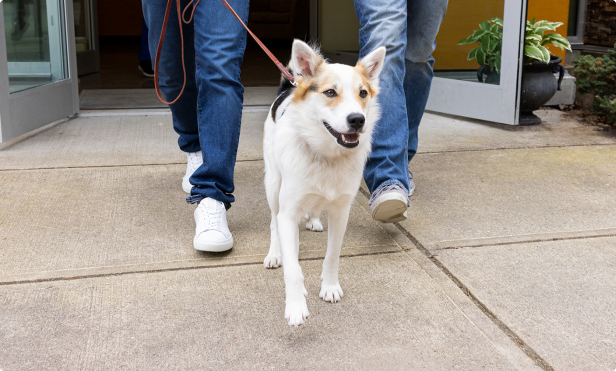
The Irish water spaniel is a high-energy canine athlete who just so happens to sport ringlets. Their lean build and active metabolism require complete and balanced dog food that supports endurance, coat health, bone strength and flexible joints.

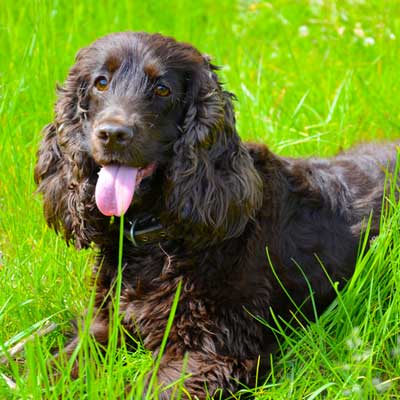
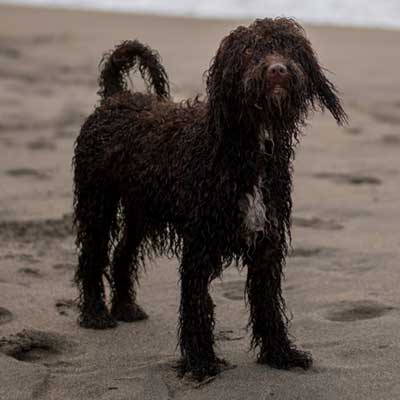
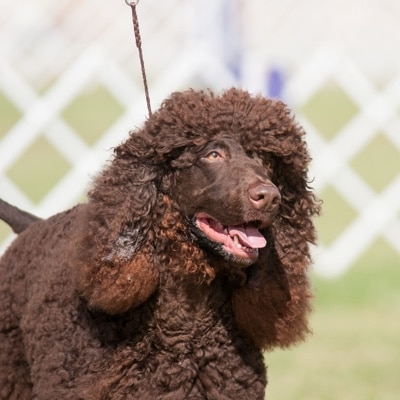
If enthusiasm were a competitive sport, the Irish water spaniel would take home the gold. This curly coated comedian combines brains, drive and a streak of mischief that keeps life interesting. They’ll retrieve your ball, your pajama pants and your sandwich right off the counter.
If you like a dog who works hard, plays harder and makes you laugh in the process, this is the dog for you.
Best For: Active individuals or families who enjoy outdoor adventures, water activities and consistent engagement.
Less Suitable For: Sedentary households or pet parents unable to provide regular exercise and mental stimulation, and families with small pets such as cats.

Energy Level

Prey Drive

Drooling

Shedding

Barking

Trainability
The Irish water spaniel is Ireland’s oldest and rarest sporting dog, tracing its ancestry back several centuries. While no one actually knows how this breed came to be, historians conjecture that their ancestors descended from ancient water dogs of Ireland who were crossed with poodles or barbets. In the 1830s, a breeder in Dublin named Justin McCarthy standardized the Irish water spaniel dog breed using a dog named Boatswain, who became the foundation of the modern Irish water spaniel.
The breed was designed for one purpose: to retrieve game from water and land. And they did so with gusto and ease, making them popular among Irish hunters in the 19th century. American sportsmen, not wanting to miss out, imported Irish water spaniels in the 1870s.
These days, the Irish water spaniel functions more as a companion and show dog than a hunting dog. According to the American Kennel Club, the Irish water spaniel was recognized by the association in 1878 as part of the Sporting Group. The U.S. parent club, however, says the AKC recognized the breed in 1884.1,2
| Breed Attribute | Attribute Details |
|---|---|
| Group/Class | Sporting Group, Gun Dog Group (United Kennel Club) |
| Club Recognition | Recognized by the AKC in 1878 and the UKC in 1948, Irish Water Spaniel Club of America |
| Instincts, Function, and Purpose | The Irish water spaniel was bred as an agile water retriever with a strong hunting drive and swimming ability. |
| Adaptability | Irish water spaniels do best in active homes that offer consistent training, mental stimulation and regular water play. |
| Breed Standards | Irish Water Spaniel Club of America Standard, United Kennel Club Official Standard |
The Irish water spaniel is a high-energy canine athlete who just so happens to sport ringlets. Their lean build and active metabolism require complete and balanced dog food that supports endurance, coat health, bone strength and flexible joints.
Look for a complete and balanced dog food that will provide your Irish water spaniel with all the nutrients they need in the right amount of energy to suit their lifestyle. Irish water spaniels may benefit from foods enriched with omega-6 fatty acids to support their skin and coat, prebiotics to support healthy digestion and omega-3 fatty acids to support their brain, joints and kidneys.
Browse Our Products


Puppies: Growing Irish water spaniel puppies need to eat pre-portioned meals of large-breed puppy food to support healthy joint growth. A formula with proper calcium and phosphorus levels to support skeletal development is ideal. Feed them several small meals a day and monitor body condition closely, as these pups love food almost as much as mud. Talk to your veterinarian about when the best time is to switch to an adult formula.
Adults: Adults need consistent nutrition that's matched to their life stage and activity level. Working or sporting spaniels benefit from eating slightly higher levels of protein, fat and calories, while companion dogs should maintain lean muscle and low body fat with portioned intake. Using a kitchen gram scale for proportions can help. A food with balanced omega-3 fatty acids and antioxidants supports coat and joint health as well as post-exercise recovery.
Seniors: Senior Irish water spaniels often remain playful but may slow slightly. Slower metabolisms and joint pain are common in older dogs, and supportive nutrition can help with these issues. Foods formulated for brain and joint support and digestive comfort supports active lives well into their golden years. Added fiber and controlled calories promote a healthy weight and digestion. Some spaniels may develop disease conditions that can be supported nutritionally through therapeutic food. Talk to your vet about the best food for your senior citizen.
Weight management and joint support: Obesity can be a significant health problem in Irish water spaniels. It can worsen joint problems, metabolic and digestive disorders, back pain and heart disease. You can promote comfortable mobility and longevity by maintaining a lean body condition.
The Irish water spaniel carries confidence and drive in every step. Intelligent, alert and always ready for action, this dog blends the talents of a sporting retriever with the warmth of a family companion.
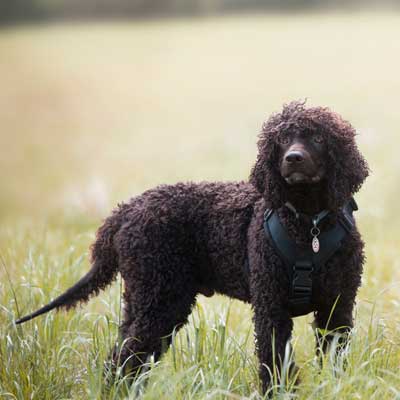
This medium-to-large dog has a solid, athletic build covered in tight, water-repellent curls that feel thick and springy to the touch. Their coat is a deep liver brown that has a subtle purple sheen in the sunlight. Their hair is smooth on the face and along their tail. Long, curly ears frame dark amber eyes. Irish water spaniels carry themselves with a proud, balanced stance that reflects strength and curiosity.
| Physical Trait | Trait Details |
|---|---|
| Breed Size | Medium to Large |
| Coat | Dense, tight, water-repellent curls; smooth on face and tail |
| Colors | Rich liver with a purplish tone in sunlight |
| Tail and Ears | “Rat tail” that's short, tapered and smooth; long, pendulous, low-set ears covered in curls |
| Height | 21 to 24 inches (males are usually taller than females) |
| Weight | 45 to 68 pounds (males are usually heavier than females) |
| Life Expectancy | 12 to 13 years |
Irish water spaniels are playful dogs who have serious missions. They love to make people laugh, often with exaggerated expressions or playful antics that seem almost intentional. Underneath the humor lies a deeply loyal, intelligent dog who's eager to please their people. Irish water spaniels bond closely with their families and often pick one favorite person as their special human, though they’ll gladly play with the rest of the household, too.
Around children, they’re playful and respectful. As always, supervision around young children is recommended. When properly trained and socialized, they have a gentle touch, but if the zoomies strike, their enthusiasm can blur their spatial awareness. Irish water spaniels are polite but reserved with strangers. With proper introductions, they warm quickly.
The prey drive in this breed is high. Irish water spaniels were bred to find, flush and retrieve birds. Mischief is part of their charm. They love jobs, so combat boredom by letting them carry objects, find hidden toys or learn trick sequences.
This is a breed with stamina and zest for life, and most of them have a high energy level. The Irish water spaniel, while highly active and athletic, thankfully has an off switch when they're mentally satisfied and can settle calmly indoors after proper exercise.
Traits are on a scale of 1 to 5, with 1 being the least and 5 being the most.
| Dog Trait | Trait Scale Value |
|---|---|
| Energy Level | 5 - Very High Energy |
| Prey Drive | 4 - High Drive |
| Drooling | 1 - Minimal Drooling |
| Shedding | 3 - Moderate Shedding |
| Coat Maintenance | 5 - Very High Maintenance |
| Barking | 3 - Moderately Vocal |
| Social Tendencies | 4 - Outgoing |
| Trainability | 4 - Highly Trainable |
Note: These rankings describe general tendencies. Dogs, like people, are individuals and their behavior and personality can vary based on genetics, environment, health, and training.
Before adopting any breed of dog, it's a good idea to speak to a veterinarian to determine if their health and care needs fit with your household, budget and lifestyle. Understanding common veterinary needs can also help you decide if they are a good fit for your home.
Best for: Active individuals or families who enjoy outdoor adventures, water activities and consistent engagement.
Good for: Experienced dog parents seeking an intelligent, playful and responsive companion.
Less suitable for: Sedentary households or pet parents unable to provide regular exercise and mental stimulation, and families with small pets such as cats.
Irish water spaniels are born athletes with energy to spare. These dogs need at least an hour of daily activity that includes physical and mental work. Long walks, swimming, fetch and off-leash play in secure areas are perfect activities for a water spaniel. They excel in competitive sports, like dock diving, agility and rally.
Irish water spaniel puppies do best with several short (15 to 30 minutes) play sessions each day rather than long sessions. Their growing joints need protection from high-impact jumping or running. Equally important to physical activity are games that engage their mind, like scent games, hide-and-seek, snuffle mats and puzzle feeders.
Irish water spaniels can overheat in warm or humid conditions because their dense coat traps heat. Schedule activity for cooler times, offer shade and water and watch for panting, drooling or sluggishness, which can indicate a life-threatening issue.
The Irish water spaniel dog breed is whip-smart, quick to learn and sometimes even quicker to test your patience. To keep them motivated, use positive reinforcement and variety.
First, train name recognition and then the basic cues: "sit," "stay," "come" and "leave it." Irish water spaniels love to carry things, so channel that instinct with a “hold" and "give” cue.
To raise a confident, easy-going dog, socialization is key. Introduce them early and often to new people, dogs and environments. Cooperative care training should also begin when they are young. Practice brushing, ear and mouth inspections, paw handling and nail trimming. Make it positive and gentle, and reward calm behavior so grooming and vet visits are a breeze when they're older.
Irish water spaniels are generally healthy, but like all dogs, they benefit from routine veterinary care, early health screening, good nutrition, a lean body condition and daily exercise. There are a few breed-specific conditions to be aware of, so talk to your vet.
Joint dysplasias: Developmental joint conditions are seen in many larger dogs as a result of genetics, nutrition and environment. Fortunately, responsible breeding has led to a decrease in hip dysplasia in the Irish water spaniel. Appropriate nutrition with a large-breed puppy food, early health screenings and low-impact exercise during growth can help mitigate risk.3
Ear infections: External ear infections are common in dogs that frequently swim. Minimize risk by cleaning and drying ears after swimming, checking ears weekly for redness or odor and having your dog seen by a vet if you notice any abnormalities.
Hair loss: Inbreeding has resulted in a genetic form of hair loss in some Irish water spaniels.4
Drug sensitivity: This breed has a documented sensitivity to certain medications, especially potentiated sulfonamide antibiotics and ivermectin-type antiparasitics. Discuss risk with your vet.
Cancer: Studies show that a large number of Irish water spaniels may die from cancer. Annual veterinary screenings are vital to early detection and intervention.5,6
The Irish water spaniel’s coat is as functional as it is fabulous and needs consistent care to stay healthy. Brush these dogs several times a week when slightly damp with a slicker brush and comb to prevent mats and redistribute skin oils. Trim the coat or have the dog professionally groomed every six to eight weeks.
Bathe only if they are stinky or dirty. Because the Irish water spaniel’s curls are naturally coated with protective oils, over-bathing can strip the coat and cause dry skin and frizzy hair. Rinse with tap water after swimming instead of shampooing. This preserves the coat’s water-repellent quality and keeps it soft without losing its natural sheen.
Check ears every couple of days for redness or odor (and call your vet if you witness either) and dry their ears thoroughly after swimming. Trim their nails every two to four weeks, and brush their teeth with a veterinary-approved enzymatic toothpaste every 24 to 72 hours.
If you want a dog who lives for adventure and has a twinkle in their eye, the Irish water spaniel might just be the dog for you. They’ll keep you laughing, challenge you to stay active and occasionally outsmart you. Give this curly-coated companion a job, a family and a place to splash, and you’ll have a friend who sticks by your side with the same joy they bring to every puddle they find.
Yes. Irish water spaniels are affectionate, loyal and wonderful with children when properly socialized.
Irish water spaniels shed lightly, but their curly coat needs regular brushing and trimming to stay healthy and mat-free.
Not typically. Irish water spaniels will bark to alert their families but are not considered excessive barkers.
Absolutely. Irish water spaniels were bred to retrieve in lakes and rivers and usually dive in at the first opportunity.
Irish water spaniels typically live 12 to 13 years with good nutrition, exercise and regular veterinary care.
American Kennel Club. “Irish Water Spaniel Dog Breed Information.” Accessed November 2025. https://www.akc.org/dog-breeds/irish-water-spaniel/.
United Kennel Club. “Breed Standards: Irish Water Spaniel.” Accessed November 2025. https://www.ukcdogs.com/irish-water-spaniel.
Freeman, B., V. B. Evans, and N. R. McEwan. “Canine Hip Dysplasia in Irish Water Spaniels: Two Decades of Gradual Improvement.” Veterinary Record 173, no. 3 (2013): 72. https://doi.org/10.1136/vr.101152.
Cerundolo, R., D. H. Lloyd, and H. G. Pidduck. “Studies on the Inheritance of Hair Loss in the Irish Water Spaniel.” Veterinary Record 145, no. 19 (1999): 542–544. https://pubmed.ncbi.nlm.nih.gov/10609570/.
Dobson, Jane M. “Breed-Predispositions to Cancer in Pedigree Dogs.” ISRN Veterinary Science 2013, No. 1 (2013): 1–23. https://doi.org/10.1155/2013/941275.
Rafalko, Jill M., Kristina M. Kruglyak, Angela L. McCleary-Wheeler, et al. “Age at Cancer Diagnosis by Breed, Weight, Sex, and Cancer Type in a Cohort of More Than 3,000 Dogs: Determining the Optimal Age to Initiate Cancer Screening in Canine Patients.” PLoS ONE 18, no. 2 (2023): e0280795. https://doi.org/10.1371/journal.pone.0280795.

View Related Breeds