Labrador Retriever Dog Breed Guide

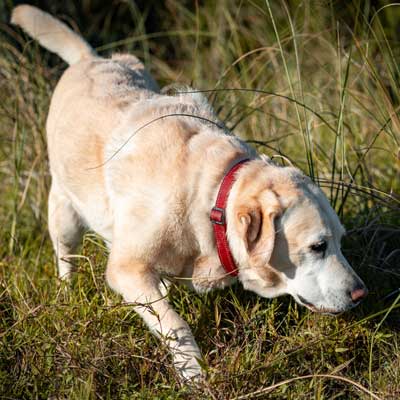
If you want to share your home with a joyful teammate who brings both the ball and the vibe, the Labrador retriever dog breed might be your perfect match. Envision a friendly, enthusiastic athlete who can switch between playtime and couch snuggles easily. Popular with active singles and big families alike, the Labrador retriever is known for its amenable, happy-go-lucky attitude.

Best For: Active singles or families who enjoy training, walking, hiking and water play.

Less Suitable For: Low activity homes or absent households that cannot provide daily training, exercise and enrichment.

Energy Level

Energy Level

Prey Drive

Prey Drive

Drooling

Drooling

Shedding

Shedding

Barking

Barking

Trainability

Trainability

The Origins of the Labrador Retriever

The Labrador retriever's origin story began in Newfoundland, where they were initially called St. John’s dogs. These dogs were used for retrieving objects from the water, hauling nets and assisting in water rescues. Their dense water-repellant double coats, webbed feet (extra skin between the toes that spreads out, acting as a natural swim fin), and affinity for swimming made them invaluable to the fishermen of the day, who loved showing them off to locals at port by asking them to fetch objects from the water.

Labrador retrievers (commonly called “Labs" are natural athletes who love having a job. Their instincts for teamwork and enthusiasm for learning make them excellent hunting companions, service dogs, detection dogs, and dependable family pets.

Breed AttributeAttribute Details
Group/ClassSporting Group (AKC), Gun Dog Group (UKC)
Club RecognitionAmerican Kennel Club, Labrador Retriever Club, United Kennel Club
Instincts, Function and PurposeLabrador retrievers helped fishermen with retrieving, hauling nets and water rescues.
AdaptabilityLabrador retrievers do great in active homes where they can enjoy regular exercise and plenty of time with their people.
Breed StandardsThe Labrador Retriever Club Standard, UKC Official Standard

Labrador Retriever Nutrition

Labrador retrievers are large, athletic dogs with a generous appetite to match. Great nutrition for these dogs starts with complete and balanced food that supports lean muscle, joint health, skin and coat quality, dental health and a lean body condition. Ask your veterinarian for specific guidance on calories and feeding amounts based on your dog's age, activity and ideal weight.

Ingredients

Look for a complete and balanced dog food that will provide your Labrador retriever with all the nutrients they need to suit their lifestyle. Labs may benefit from foods enriched with omega-6 fatty acids to support their skin and coat, prebiotics and fermentable fiber to support healthy digestion, and omega-3 fatty acids to support their brain and joints. Appropriate calcium-to-phosphorus ratios in large-breed puppy formulas help support healthy joint and skeletal development.  Antioxidants support the immune system and healthy aging.

Life Stage Considerations

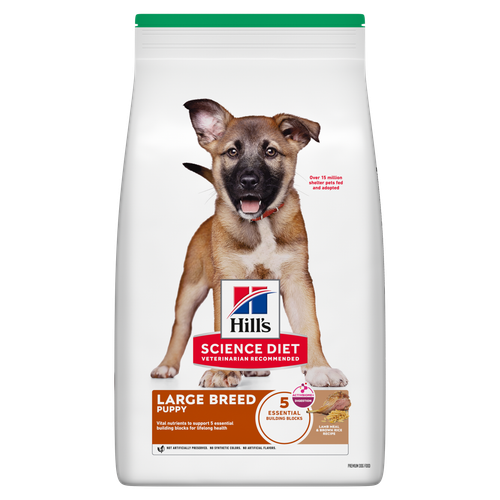
Puppies: Labrador puppies benefit from complete and balanced nutrition that supports steady growth, brain and eye development and healthy skeletal growth. Choose a large breed puppy formula and ask your vet about growth rate, appropriate calcium-to-phosphorus ratios, and safe exercise while young Labs are growing. Because Labs explore the world with their mouths, providing safe, age-appropriate chew toys during this stage is also important."

Adults: Adult Labs do best on food that provides essential nutrients  while helping to maintain a lean body condition. Since Labs are known for having voracious appetites, proactive weight management and joint support are critical for their long-term health and well-being. Research shows that maintaining lean body condition and avoiding excess body fat may help Labrador retrievers live longer and have a delayed onset of age-related disease.2

Seniors: Senior Labradors benefit from highly digestible, nutrient-dense food that supports joint comfort, lean muscle and digestive health. Calorie levels often need to be reduced as metabolism slows, while added omega-3 fatty acids, antioxidants and fermentable fiber help maintain mobility and overall well-being.

Skin allergies: Some Labs suffer from itchy skin and/or ear infections due to skin allergies. The most common skin allergies in dogs are flea allergies, environmental allergies, and food allergies. Some dogs with allergies may benefit from eating a therapeutic diet. If you have an itchy Lab, talk to your vet to see if a diet change may help.

At any age, you can promote mobility and long-term health by maintaining a lean body condition. Your veterinarian can tell you what the best weight for your dog, help you calculate daily calories and adjust feeding amounts as exercise habits change. Treats should make up no more than 10% of daily calories.
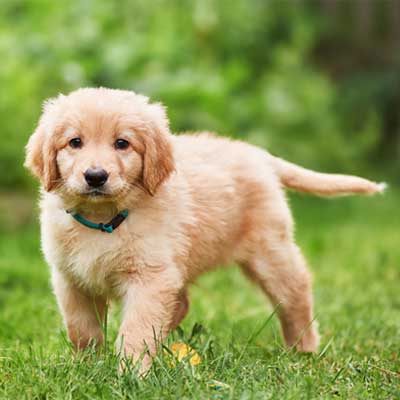
Labrador Retriever Characteristics

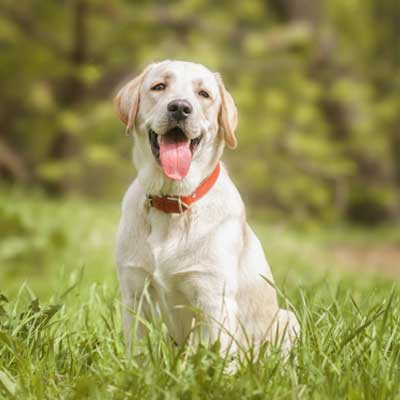
The Labrador retriever is one of the world’s most beloved breeds, known for their joyful spirit, intelligence and absolute love of people. Whether they are bounding into a lake or greeting guests with a wagging tail, Labs bring enthusiasm and delight to everything they do. Their easygoing nature and eagerness to please have made them trusted companions in homes, fields and service work alike.

Appearance and Physical Traits

The Labrador retriever is a strong, athletic dog with a short, dense, water-resistant coat and a broad, friendly expression. Their sturdy build, webbed feet and signature “otter tail” were designed for swimming and retrieving in cold water. Balanced proportions reflect a breed built equally for endurance, work, play and hugs.

Physical TraitTrait Details
Breed SizeLarge
CoatShort, dense, water-resistant double coat
ColorsBlack, yellow or chocolate per breed standard; silver coats exist but are not recognized
Tail and EarsThick, straight tail, medium ears set back¹
 21.5 to 24.5 inches (males are taller)¹
Weight55 to 80 pounds (males are heavier)¹
Life Expectancy10 to 12 years¹

Labrador Retriever Personality and Temperament

If you love eternal optimism and like the idea of your pup following you around like a shadow, the Labrador retriever might be your perfect match. Labs greet every person like an old friend and every day like a new adventure. They are loyal, outgoing and eager to please, which makes them really fun to train. Labs thrive when they have a job to do, whether it is fetching a ball, carrying the newspaper or simply keeping you company. They adore kids, tolerate cats (usually), and make friends with just about every person they meet. Without enough exercise or mental challenges, however, a bored Lab can redecorate your yard with holes or chew your shoes. If you keep a Lab busy and loved, you will have a best friend whose tail never stops wagging.

Personality and Temperament Trait Scale

Traits are on a scale of 1 to 5, with 1 being the least and 5 being the most.

Dog TraitTrait Scale Value
Energy Level4 - High Energy
Prey Drive3 - Moderate Drive
Drooling2 - Low Drooling
Shedding4 - High Shedding
Coat Maintenance3 - Moderate Maintenance
Barking3 - Moderately Vocal
Social Tendencies5 - Extremely Social
Trainability5 - Exceptionally Trainable

Note: These rankings describe general tendencies. Dogs, like people, are individuals and their behavior and personality can vary based on genetics, environment, health, and training.

Lifestyle Compatibility

Before adopting any breed of dog, it's a good idea to speak to a veterinarian to determine if their health and care needs fit with your household, budget and lifestyle. Understanding common veterinary needs can also help you decide if they are a good fit for your home.

Best for: Active singles or families who enjoy training, walking, hiking and water play.

Good with: Children and other pets when socialized and supervised. Always monitor children around dogs.

Less suitable for: Low activity homes or absent households that cannot provide daily training, exercise and enrichment.

Exercise Needs and Appropriate Activities

Labs need at least 60 to 90 minutes of daily exercise divided into brisk leash walks, retrieving sessions, and brain games like hide-and-seek with toys, food puzzles and scent work. Labs like to chew, and chewing keeps their teeth clean and their brains happy, so provide safe, long-lasting chews like bully sticks and rubber toys. Swimming is an excellent low-impact exercise that most Labs love to do. 

Training

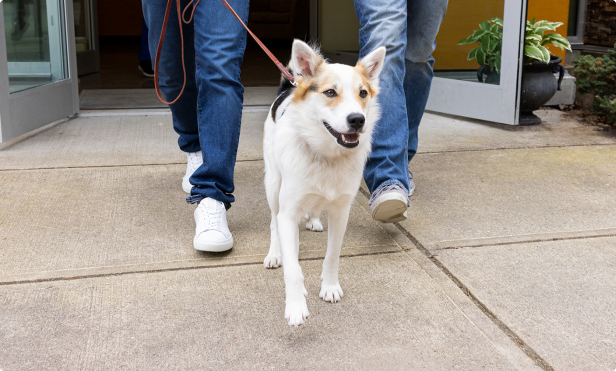
Labs are easy to train, but they do best if you start when they are puppies with basic obedience and socialization. Socialization builds confidence and reduces anxiety. Labs are exuberant well into adulthood, and it will be critical to teach them how to walk calmly on a leash, greet people politely, come when called and be a cooperative dog at veterinary and grooming visits. Keep sessions short and frequent, and use small training treats as rewards. Labs excel at agility and flyball dog sport, which can be additional training opportunities for adult dogs. 

Labrador Retriever Health and Wellness

Labradors are popular and versatile, but some genetic lines have inherited disease conditions. Your vet is your partner in health and wellness and can recommend appropriate screening as well. Remember that Labs live to eat and keeping them lean is critical for their long-term health and wellness.

Potential Health Issues

Elbow dysplasia: A common developmental joint condition seen in Labs as a result of genetics, nutrition and environment. Research underscores the value of responsible breeding, screening and treatment. Appropriate nutrition with a large-breed puppy food can help support healthy joints.3

Cranial cruciate ligament disease: In Labrador retrievers, neutering before 12 months of age has been associated with increased risk of cruciate rupture. Discuss timing of spay or neuter and risk of the disease with your vet.4

Exercise-induced collapse (EIC): A genetic mutation in some lines of Labrador retrievers causes a syndrome during intense exercise. DNA testing is available to identify carriers and affected dogs.5

Ear infections: External ear infections are common in Labs. Swimming or skin allergies are usually the cause. Help avoid problems by cleaning and drying ears after swimming, checking ears weekly for redness or odor and if so, having your dog seen by a vet.6

Obesity: Labs struggle with weight gain more than other breeds simply because they love food. Unhealthy weight gain results in increased wear and tear on joints and can exacerbate joint disease. Keep your Lab lean so they can live their best life.2

Grooming Needs

Labradors require regular grooming. Most of the time, brushing once or twice a week with a slicker brush removes loose hair and redistributes natural oils for a healthy, shiny haircoat. Labs shed their undercoat twice a year and will shed significantly more. During shedding season, brush them daily and use a de-shedding tool to remove loose hair. Labs can benefit from a bath once a month or more often if they like to roll in things that smell interesting. 

Check their ears weekly for redness or odor and clean them only if your vet recommends it. If they swim, place a few drops of a drying solution in their ears after swimming and then dry their ears thoroughly with cotton balls to prevent infections.  Trim their nails every few weeks so they do not click across the floor and brush their teeth daily with an enzymatic toothpaste to prevent plaque and tartar accumulation. 

Is a Labrador Retriever Your New Furry Friend?

If you dream of a dog who wakes up every morning ready to seize the day, the Labrador retriever is for you. Labs don’t just live life; they charge into it with a wagging tail. Whether you’re hiking a trail, tossing a stick into the water or trying to watch TV while they slowly take over the couch, a Lab will be right there beside you with a nose in your lap. Engage their mind every day, love them and keep them moving and you’ll have a best friend who thinks you hung the moon.

Resources For New Pet Parents

Get expert tips for a long and happy life with your new best friend.

New dog guide

Labrador Retriever Breed FAQs

Yes, Labs need 60 to 90 minutes of moderate activity daily plus mental exercise.

Labs are typically good with other dogs and cats if they are raised with them. Good socialization and supervised introductions are recommended for best results.  

Yes, Labs shed year-round with heavier seasonal shedding.

Labs are typically moderate barkers, but if they are bored, they will bark more. Exercise, training and enrichment help keep excessive vocalizing in check.

References

  1. American Kennel Club, “Official Standard of the Labrador Retriever," https://images.akc.org/pdf/breeds/standards/LabradorRetriever.pdf. 

  2. Adams VJ, Watson P, Carmichael S, Gerry S, Penell J, Morgan DM, “Exceptional longevity and potential determinants of successful ageing in a cohort of 39 Labrador retrievers: results of a prospective longitudinal study,” Acta Veterinaria Scandinavica, 2016, https://pmc.ncbi.nlm.nih.gov/articles/PMC4863359/. 

  3. O’Neill, D. G., et al, “Epidemiology and Clinical Management of Elbow Joint Disease in Dogs.” Veterinary Sciences 7, no. 3, 2020, https://pmc.ncbi.nlm.nih.gov/articles/PMC7371807/.

  4. DeForge, T. L., et al, “Age of Neutering Contributes to Risk of Cruciate Ligament Rupture in Labrador Retrievers,” Journal of the American Veterinary Medical Association no. 3, 2024,  https://pubmed.ncbi.nlm.nih.gov/39383890/. 

  5. Furrow, E., et al, “Relationship Between Dynamin-1 Mutation Status and Characteristics of Exercise-Induced Collapse in Labrador Retrievers,” Journal of the American Veterinary Medical Association no. 6, 2013, https://pubmed.ncbi.nlm.nih.gov/23445289/. 

  6. McGreevy PD, et al, “Labrador retrievers under primary veterinary care in the UK: Demography, mortality and disorders,” Canine Genetics and Epidemiology 5, 2018, https://cgejournal.biomedcentral.com/counter/pdf/10.1186/s40575-018-0064-x.pdf. 

Dr. Sarah Wooten Dr. Sarah Wooten

Dr. Sarah Wooten graduated from UC Davis School of Veterinary Medicine in 2002. A member of the American Society of Veterinary Journalists, Dr. Wooten divides her professional time between small animal practice in Greeley, Colorado, public speaking on associate issues, leadership, and client communication, and writing. She enjoys camping with her family, skiing, SCUBA, and participating in triathlons.