Chinook Dog Breed Guide

The Chinook dog breed is one of New England’s best-kept secrets, blending strength, intelligence and a kind heart. Basically a marshmallow in a sled-dog body, Chinooks unite the power of northern breeds with the devotion of a faithful family companion. The Chinook lives to pull, play and belong. They’re loyal and happiest when they have a purpose, whether mushing through snow, carrying a backpack on a hike or keeping an eye on their people. If you want a dog that thrives on adventure and connection, the Chinook might be for you.

Best for: Active pet parents who enjoy outdoor adventures and have time for daily exercise, training and companionship.

Less suitable for: Busy households with little time for training or exercise, environments where dogs are left alone for long periods, or apartment living.

Energy Level

Energy Level

Prey Drive

Prey Drive

Drooling

Drooling

Shedding

Shedding

Barking

Barking

Trainability

Trainability

The Origins of the Chinook Dog Breed

The Chinook’s story begins in New Hampshire in the early 1900s, when a man named Arthur Treadwell Walden set out to breed the perfect sled dog. He crossed a mastiff-type dog with a northern husky and created a breed known for endurance, loyalty and gentle temperament. Named after Walden’s foundation dog, Chinook, the breed earned global fame on Admiral Byrd’s Antarctic expeditions, where he described "Walden and his sixteen Chinook dogs as the backbone of the expedition transport.” 

Walden received a Congressional Medal for his part in the Antarctic expedition, and Route 113A in New Hampshire bears the name Chinook Trail to honor his famous first dog. When motorized transport replaced sled dog teams, the Chinook dog breed nearly went extinct, but a handful of dedicated breeders revived the breed in the 1980s. The American Kennel Club officially recognized this rare breed in 2013.

Breed AttributeAttribute Details
Group/ClassWorking Group (AKC), Northern Breed Group (UKC)
Club Recognition American Kennel Club, Chinook Club of America, United Kennel Club
Instincts, Function, and PurposeChinooks are bred for endurance, pulling strength and cooperative sled work in challenging conditions.
AdaptabilityChinooks are adaptable and family-oriented. They do well in active households that provide regular exercise and companionship.
Breed StandardsChinook Club of America Breed Standard, UKC Breed Standard

Nutrition for Chinooks

Chinooks are large-breed canine athletes built for efficiency and stamina. Their nutrition should focus on maintaining lean muscle, supporting joint and coat health and providing appropriate energy. Complete and balanced dog foods that supply essential nutrients without excess calories help keep companion Chinooks maintain an ideal body condition. 

Chinooks that are used as working dogs (such as in sled dog racing) have different nutrition needs, so talk to your veterinarian about your dog’s specific calorie targets, portion sizes and how to adjust feeding for seasonal activity changes.

Ingredients and Nutrients

A balanced diet helps the Chinook dog stay strong and ready for the outdoor adventures they’re known for. Protein supports their well developed muscles and maintains the smooth, close-lying coat. Complex carbohydrates provide the dependable energy these dogs appreciate for long hikes, skijoring or simply keeping pace with an active household. 

A well-proportioned blend of omega-6 and omega-3 fatty acids supports coat shine, joint comfort and overall vitality. Antioxidants contribute to immune resilience and recovery, especially helpful for Chinooks who enjoy regular activity in varying climates. Calcium and phosphorus help maintain bone strength in this medium-large, athletic dog. Fiber and prebiotics promote digestive balance and consistent stools. Essential vitamins and minerals further support metabolic health and immune function.

Life Stage Considerations

Puppies: Large-breed puppies need to eat food that has carefully balanced calcium and phosphorus and controlled calories for healthy skeletal growth. Feeding a large-breed puppy food supports the growth and development needs of Chinook puppies. They mature around 12 to 18 months. Consult your vet about the appropriate time to transition to an adult food.

Adults: Adult Chinooks benefit from food that supports mobility and lean condition. Seek formulas that provide complete, balanced nutrition that maintains overall health and wellness. Many adults also do well with diets that include joint-supportive nutrients such as omega-3 fatty acids to keep them moving comfortably during their active years.

Seniors: Older Chinooks need food that supports a healthy metabolism to prevent weight gain and helps maintain comfortable joints for movement. Senior formulas with appropriate calorie levels, highly digestible protein, omega-fatty acids and antioxidants can help support immune, brain and joint health and muscle maintenance as they age.

Weight management and joint support: Unhealthy weight gain results in increased wear and tear on joints, which can be devastating for a large-breed dog. Keep a Chinook dog at a healthy weight to support their long-term comfort and mobility. Use a food formula that helps manage weight and provides nutrients that support joints.

Ask your vet how much your dog should weigh, what the best food is and how much to feed them to maintain a healthy weight. Monitor their body condition monthly, measure meals with a kitchen gram scale for accuracy, stick within the recommended daily calorie amount and keep treats to less than 10% of daily calories.

Chinook Dog Breed Characteristics

The Chinook dog breed is a true large-breed working dog at heart, bred for teamwork and endurance, yet adaptable enough to thrive as a loyal, affectionate family companion when given purpose and daily activity.

Appearance and Physical Traits

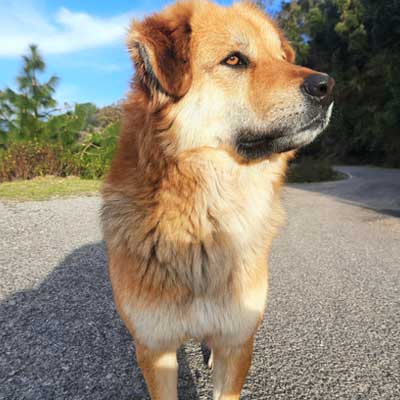
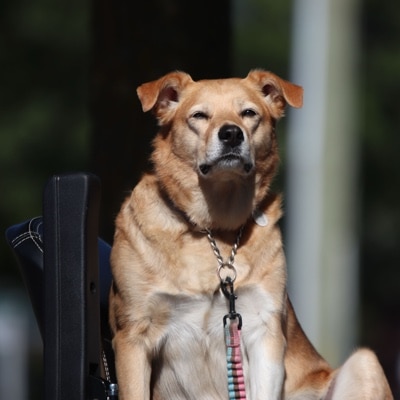
The Chinook is an athletic dog known for their strong, streamlined build and warm, tawny coloring. Their appearance reflects both power and endurance, with a solid frame, deep chest and smooth, coordinated movement suited for moving over long distances. A gentle expression and alert, intelligent eyes give the Chinook dog a friendly, approachable look that matches their sweet, steady temperament.

Physical TraitsTrait Details
Breed SizeLarge
CoatDouble coat, medium length, slightly coarse outer layer
ColorsTawny shades ranging from pale honey to deep gold¹
Tail and EarsThick tail that tapers and slightly curves up at the end; medium-sized ears of any type (drop, erect or propeller)
Height22 to 26 inches (males are taller)
Weight50 to 90 pounds (males are heavier)
Life Expectancy12 to 15 years

Chinook Temperament and Personality Traits

The Chinook dog breed is the best kind of paradox: strong yet gentle, confident yet kind. While they can attach closely to one person, most Chinooks spread the love around, forming affectionate ties with the entire family. They thrive when everyone in the home is theirs.

When it comes to kids, few breeds are as patient. Well-socialized Chinooks often take the role of nanny, tolerating clumsy hugs and enthusiastically joining in backyard adventures. With strangers, they are friendly but reserved, choosing observation over excitement until they sense everything is safe. They may bark at a stranger but rarely do anything else. Around other dogs and pets, they’re typically easygoing with early socialization. One thing every Chinook dog parent should know: These dogs are emotional sponges. They mirror the tone of your home; calm energy earns calm behavior, but chaos invites mischief.  

Their prey drive is low to moderate. A Chinook might chase a squirrel for sport, but they’re not driven hunters. Mischief level is moderate: They’ll test the rules, especially if bored or under-challenged. Aggression is rare in this breed, but frustration can bubble up if they are understimulated, underexercised or trained with harsh methods. They will love it if you give them small daily jobs, like carrying a backpack, fetching the leash or going for a jog with you. These activities channel their working instincts and save your socks.

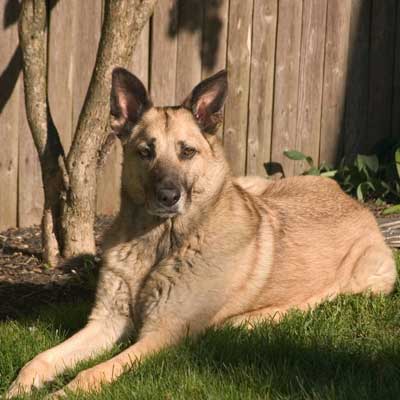
Personality and Temperament Trait Scale

Traits are on a scale of 1 to 5, with 1 being the least and 5 being the most.

Personality TraitTrait Scale
Energy Level4 - High Energy
Prey Drive3 - Moderate Drive
Drooling2 - Low Drooling
Shedding4 - High Shedding
Coat Maintenance3 - Moderate Maintenance
Barking2 - Quiet
Social Tendencies4 - Outgoing
Trainability4 - Highly Trainable

Note: These rankings describe general tendencies. Dogs, like people, are individuals and their behavior and personality can vary based on genetics, environment, health, and training.

Lifestyle Compatibility

Before adopting any breed of dog, it's a good idea to speak to a veterinarian to determine if their health and care needs fit with your household, budget and lifestyle. Understanding common veterinary needs can also help you decide if they are a good fit for your home.

Best for: Active pet parents who enjoy outdoor adventures and have time for daily exercise, training and companionship.

Good with: Families with kids and multi-dog households when properly socialized

Less suitable for: Busy households with little time for consistent training or exercise, environments where dogs are left alone for long periods, or apartment living.

Exercise Needs and Appropriate Activities

Chinooks enjoy purposeful, team-based activities. They do best with 1 to 2 hours of exercise daily plus 30 minutes of mental enrichment. Keep activities varied: Hiking, swimming, running steadily or even pulling a kid on a sled are all enjoyable. Indoors, they love to figure out puzzle toys and play hide-and-seek with toys or treats.

While adult Chinooks can handle serious work, puppies need careful ramp-up. Keep exercise low-impact and on soft surfaces until their bones and joints have fully matured. Avoid long runs, excessive jumping or heavy pulling until they are fully grown. It helps to introduce a harness when they are still young, but keep the load extremely light until they are physically ready for heavier work. Puppies need a lot of mental enrichment — simple scent and obedience games done in short, upbeat sessions work best. 

Training

Training a Chinook dog starts with mutual respect. The best approach is calm leadership, consistency and patience. Begin training early in puppies with socialization and basic manners. Introduce new people, dogs and environments consistently to help them grow into confident, adaptable adults. Chinooks mature slowly and have an adolescent phase from 6 to 18 months.

Teach the essential obedience cues ("sit," "stay," "come," "down" and "leave it") through positive reinforcement (treats and praise). Keep sessions short and upbeat. Activities like rally obedience and harness practice tap into their natural instincts. Chinooks love having special commands, so teach them working sled-dog vocabulary, like "gee," "haw" or "line out." 

Cooperative care should be part of their education from day one. Use gentle handling, treats and praise while brushing, trimming nails, gentle mouth handling or cleaning ears so grooming and vet visits feel familiar and safe. A Chinook dog trained with empathy and consistency becomes a partner who listens, trusts and works from the heart.

Chinook Health and Wellness

The Chinook dog breed is generally healthy and long-lived for a large breed, thanks to mindful breeding practices. Still, preventive care, regular veterinary checkups, good nutrition, weight management and proper conditioning are essential to keeping them strong and active into their senior years.

Chinook Potential Health Issues

Hip and elbow dysplasia: Large-breed dogs are at elevated risk of developmental joint disorders that result in painful arthritis and loss of mobility. Keeping dogs lean, feeding appropriate large-breed puppy food and avoiding high-impact exercise in puppies all help support healthy joints. Discuss with your vet the timing of spaying/neutering to allow for healthy puberty and bone development.4

Cataracts: Some lines of Chinooks are known to have hereditary cataracts. Have puppies screened by a vet and have an adult’s eyes checked annually.5

Seizures: Chinooks have a known but uncommon risk for hereditary seizures; discuss any episodes of sudden shaking or stiffness with your vet.6

Cartilage disorder: Chinooks carry a known mutation for chondrodysplasia originally identified in other breeds. Testing for this mutation is strongly recommended.7

Drug sensitivity: Chinooks may inherit the MDR1 genetic mutation that makes them unusually sensitive to common drugs. Therefore, it is wise to have your dog tested and always tell your vet about the breed’s potential drug sensitivities before treatment.8

Grooming Needs

Chinooks have relatively low-maintenance grooming needs for a double-coated breed. Weekly brushing with a slicker brush removes loose fur, deepens the human-dog bond and redistributes skin oils. Chinooks shed seasonally, especially in spring and fall, and daily brushing helps during this time. 

Unless they are stinky or dirty, they only need occasional baths. Their natural oils help protect the coat and skin, so avoid overbathing. Their nails should be trimmed every 2 to 4 weeks or as needed, and teeth need to be brushed every 24 to 72 hours using a veterinary-approved enzymatic toothpaste. Most Chinooks tolerate grooming easily, especially if you start young and keep sessions calm and positive.

This breed is prone to ear infections, so check their ears weekly and clean if necessary as directed by your veterinarian.

Is a Chinook Your New Furry Friend?

The Chinook dog breed is power, loyalty, intelligence and heart wrapped in golden fur. They have a work ethic that would make most humans look bad. Whether hiking, hauling or just hanging out, they bring flair to everything they do. If you want a dog who thrives on teamwork, lives for adventure and believes every family outing is a group mission, the Chinook is for you. 

Resources For New Pet Parents

Get expert tips for a long and happy life with your new best friend.

New dog guide

Chinook Dog Breed FAQs

Yes. Chinooks need 1 to 2 hours of daily physical and mental activity to stay fit, happy and well-balanced.

Absolutely. Chinooks are patient, gentle and protective with kids without being overbearing.

Moderately. Chinooks benefit from weekly brushing to keep their coat healthy and reduce shedding.

Yes, if the pet parent is active and willing to meet the Chinook’s social and exercise needs.

Chinooks typically live 12 to 15 years with proper care, good nutrition and regular veterinary checkups.

References

  1. American Kennel Club, “Chinook Dog Breed Information,” Accessed November 2025, https://www.akc.org/dog-breeds/chinook/.

  2. Chinook Owners Association, “Breed History and Standards,” Accessed November 2025, https://www.chinookdogclub.com/.

  3. Chinook Club of America, “1998 Health Survey,” Chinook Club of America, Inc., Accessed November 7, 2025, https://www.chinookclubofamerica.org/1998-health-survey.html.

  4. Orthopedic Foundation for Animals, “Disease Statistics by Breed: Hip Dysplasia / Elbow Dysplasia,” Orthopedic Foundation for Animals, Accessed November 7, 2025, https://ofa.org/chic-programs/browse-by-breed/?breed=CI.

  5. Veterinary Genetics Laboratory, University of California, Davis, Genetic Diversity Testing for Chinook: Preliminary Report, August 2023, Davis, CA: University of California, Davis, School of Veterinary Medicine, 2023, https://vgl.ucdavis.edu/sites/g/files/dgvnsk15116/files/media/documents/Chinook_Preliminary_Report_August_2023.pdf.

  6. Packer, R. A., A. M. McGrath, M. A. Packer, J. D. Shelton, and J. F. Pearl, “Characterization and Mode of Inheritance of a Paroxysmal Dyskinesia in the Chinook Dog Breed,” Journal of Veterinary Internal Medicine 24, no. 4 (2010): 1053–1058, https://doi.org/10.1111/j.1939-1676.2010.0629.x.

  7. Kyöstilä, Kaisa, Anu K. Lappalainen, and Hannes Lohi, “Canine Chondrodysplasia Caused by a Truncating Mutation in Collagen-Binding Integrin Alpha Subunit 10,” PLOS ONE 8, no. 9 (2013): e75621, https://doi.org/10.1371/journal.pone.0075621.

  8. Veterinary Genetics Laboratory, University of California, Davis, “Multidrug Sensitivity (MDR1) Test,” University of California, Davis, School of Veterinary Medicine, Accessed November 7, 2025, https://vgl.ucdavis.edu/test/multidrug-sensitivity-mdr1.

Dr. Sarah Wooten Dr. Sarah Wooten

Dr. Sarah Wooten graduated from UC Davis School of Veterinary Medicine in 2002. A member of the American Society of Veterinary Journalists, Dr. Wooten divides her professional time between small animal practice in Greeley, Colorado, public speaking on associate issues, leadership, and client communication, and writing. She enjoys camping with her family, skiing, SCUBA, and participating in triathlons.