Anatolian Shepherd Dog Breed Guide

If ancient legends had four legs, they’d probably look like the Anatolian shepherd. Towering, loyal and remarkably calm, this breed was shaped by centuries of guarding flocks across the rugged plateaus of Turkey. Today, those same instincts make them reserved and thoughtful protectors at home, strong enough to defend, gentle enough to belong. If you like your loyalty large and your security system self-aware, the Anatolian shepherd dog breed might be the one for you.

Best for: Experienced owners who understand the breed and have a secure outdoor space; quiet homes, calm energy and consistent socialization and training.

Less suitable for: First-time dog owners; small apartments or homes without secure fencing; loud, unpredictable households; people who want a cuddly dog.


Energy Level

Energy Level

Prey Drive

Prey Drive

Drooling

Drooling

Shedding

Shedding

Barking

Barking

Trainability

Trainability

The Origins of the Anatolian Shepherd Dog Breed

The Anatolian shepherd traces its roots back more than 4,000 years to the high plains of Anatolia, now modern-day Turkey, where shepherds relied on these dogs for companionship and protection of flocks of sheep and goats. Their job wasn’t to herd — it was to be with the herd, think, assess and act independently of humans when predators approached. Life on harsh terrain forged dogs that were fearless, self-sufficient and incredibly patient.

When the breed reached the United States in the mid-late 20th century, they transitioned from nomadic shepherding life to farm and family guardianship. Beneath their imposing frame lies an ancient sense of responsibility: the instinct to safeguard, not dominate, so their new role fit like a glove. Today, that same heritage results in a working dog who takes their family’s safety and well-being seriously. The Anatolian shepherd dog breed was recognized as part of the working group by the American Kennel Club (AKC) in 1996. The breed standards are kept by the Anatolian Shepherd Dog Club of America and the AKC.1,2


Breed Attribute
Attribute Details
Group/classWorking Group (AKC), Guardian Dog Group (UKC)
Club recognitionAmerican Kennel Club, United Kennel Club, Anatolian Shepherd Dog Club of America
Instincts, function and purposeAnatolians were bred as independent livestock guard dogs, watching over flocks and deterring predators through presence, posture and protective instinct.
AdaptabilityAnatolians thrive in homes or properties that respect their territorial nature, need for space and guarding mindset. They do best with experienced owners who provide structure, training and early and ongoing socialization.
Breed standardsAnatolian Shepherd Dog Club of America Breed Standard, UKC Breed Standard

Nutrition for Anatolian Shepherds

The Anatolian shepherd is a slow-maturing, large-breed dog built for endurance rather than speed. Nutrition should support joint health, lean muscle and balanced energy without excess calories, as big dogs can have bone or joint problems if they grow too quickly early on, or if they gain weight later in life.


Ingredients and Nutrients

Anatolian shepherds are at their best when they eat a complete and balanced large-breed dog food that covers all essential nutrients and supports their large, working build. Since they were designed to move, watch and think all day, a meal plan that maintains a lean physique works well for them. Choosing food that matches their size, lifestyle and daily activities helps these dogs stay comfortable, agile and ready for whatever adventures life throws their way. 

Life Stage Considerations

Puppies: Anatolian shepherd puppies can take up to three years to mature into full-grown adults. While they are growing, they need nutrition that supports healthy development to protect joints. Talk to your veterinarian about when the appropriate time is to switch them to adult food. 

Adults: Adults do best on a nutrition routine that keeps their weight stable and their energy levels consistent. Choose a large-breed formula that provides complete, balanced nutrition and helps maintain joint health and lean muscle.

Seniors: Providing the right nutrition to senior Anatolian shepherds can help them maintain a healthy weight and comfortable joints. An older dog can benefit from a food that is highly digestible and helps support the immune system, brain and heart.

Weight management and joint support: Unhealthy weight gain results in increased wear and tear on joints, which can be devastating for a giant dog. The good news is that Anatolians are light eaters, and relatively less food-motivated than other breeds. Ask your veterinarian how much an adult Anatolian shepherd should weigh, what the best food to feed is and how much to feed to maintain a healthy weight. Limit treats and people food to less than 10% of daily caloric intake. 

Anatolian Shepherd Dog Breed Characteristics

Anatolian shepherds carry themselves with the unflappable confidence of dogs who have guarded livestock for thousands of years. They read the world with a steady, observant presence, always aware of everything in their environment. Their size and temperament make them unforgettable dogs, and many settle into home routines with a gentle family-focused side that can surprise you.

Appearance and Physical Traits

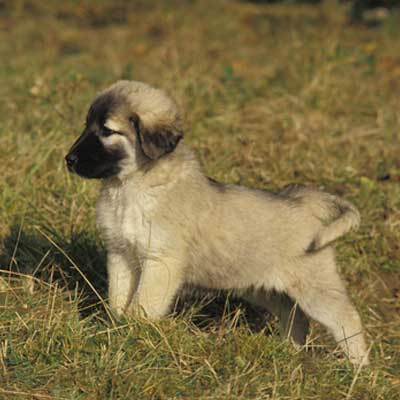
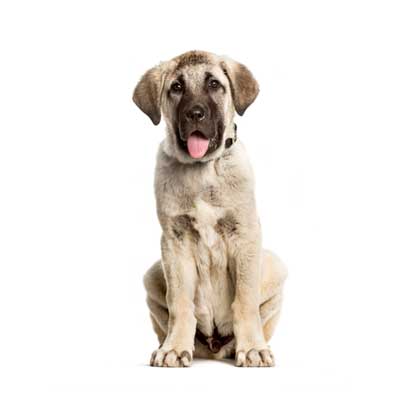
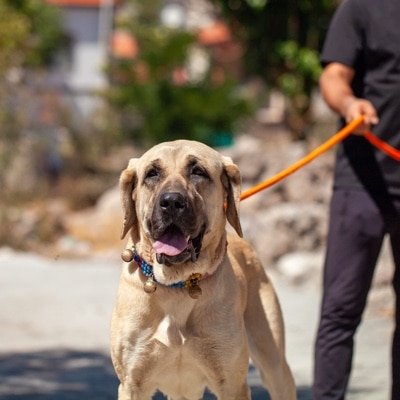
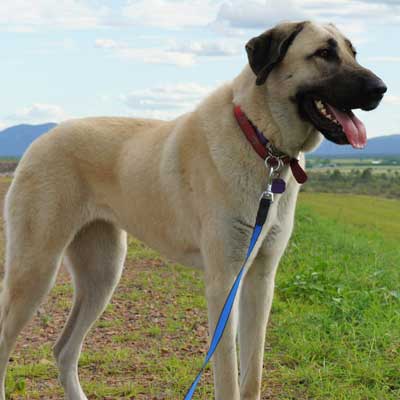
The Anatolian shepherd has a massive frame that is made up of strong bones, a deep chest and the kind of muscling that reflects generations of working long days in open terrain. Their head is large and balanced, with dark, expressive eyes and V-shaped ears that hang close to their cheeks. Their double coat ranges from short to moderately long with a protective ruff around their neck. The overall impression of this breed is a powerful, weather-ready protector built to withstand harsh conditions and long hours of standing guard over flocks.

Physical TraitTrait Details
Breed sizeLarge to Giant
CoatShort to medium (rough) length, thicker around head and neck, thick undercoat
ColorsThe classic coloring of this breed is fawn with black mask; other colors may include pinto, white or brindle
Tail and EarsTail is long, carried low with end curled up when relaxed, carried high with a curl (wheel) when alert; ears are V-shaped, pendulous and medium-sized
Height27 to29 inches (males are larger)
Weight80 to 150 pounds (males are larger)
Life Expectancy11 to 13 years

Anatolian Shepherd Temperament and Personality Traits

The Anatolian shepherd lives somewhere between philosopher and protector. They watch first, decide later and rarely waste energy on drama. What looks like aloofness is really calm calculation, the same instinct that once let them judge distance, threat and trust across the open plains. According to the Anatolian Shepherd Club, with proper and consistent training and socialization, Anatolians can be superb canine companions, but they are not conventional pets. 

They require socialization from an early age. They form deep attachments, but on their terms as they are independent. Many choose one or two favorite people to shadow, though a well-raised Anatolian can extend that loyalty to the entire family. They show affection subtly: a steady gaze, a silent presence at your side. 

Anatolian shepherds have a lower prey drive than other dogs. They are less likely to chase squirrels and more likely to keep an eye on the yard. They might not do well with other pets in the home. They are wary of strangers and highly territorial. If they sense genuine danger,  they will react instantly. 

Food motivates them, but not as much as purpose does. They will work for treats if the exercise feels meaningful and the tone feels respectful. Too much repetition and they check out; too much force and they remember. Training works best when it feels like a partnership, not a command. They respect calm, confident leadership and they remember fairness forever.

Anatolian shepherds dislike loud, chaotic households and instead prefer quiet routine. They do better in households with older children. Give them order, space and clear communication, and they become dependable, quiet roommates. Living with an Anatolian shepherd means learning to appreciate subtlety and understand that loyalty and love do not always look cuddly. 

Personality and Temperament Trait Scale

Traits are on a scale of 1 to 5, with 1 being the least and 5 being the most.

Physical TraitTrait Details
Energy Level3 - Moderate Energy
Prey Drive3 - Moderate Drive
Drooling2 - Low Drooling
Shedding4 - High Shedding
Coat Maintenance4 - High Maintenance
Barking2 - Quiet
Social Tendencies2 - Slightly Reserved
Trainability2 - Somewhat Difficult

Note: These rankings describe general tendencies. Dogs, like people, are individuals and their behavior and personality can vary based on genetics, environment, health, and training.

Lifestyle Compatibility

Before adopting any breed of dog, it's a good idea to speak to a veterinarian to determine if their health and care needs fit with your household, budget and lifestyle. Understanding common veterinary needs can also help you decide if they are a good fit for your home.

Best for: Families or individuals who are experienced dog owners, understand the breed, and have a secure outdoor space, a quiet home, calm energy and time to socialize and train consistently.

Good with: older children who understand boundaries and other dogs raised alongside them. Always monitor children around dogs.

Less suitable for: First-time dog owners; small apartments or homes without secure fencing; loud, unpredictable households; people who want a cuddly dog.

Exercise Needs and Appropriate Activities

The Anatolian shepherd may not need marathon runs, but daily exercise and mental enrichment keep their body and mind in tune. Anatolians do best with 45-60 minutes of physical and mental activity daily. These dogs love to be outdoors in most types of weather with a shelter. Having a large, secure yard or open-range private property is ideal. 

Appropriate activities could include twice-daily walks or hikes, scent-tracking and problem-solving games, calm retrieving or supervised “patrol the fence” walks and strength and stability exercises like controlled hill work. On rest days, mental stimulation, such as teaching cues and scent or food puzzles, are good activities. Quiet “watching” time on the porch or at the front window fulfills their instinct to oversee their territory.

Training an Anatolian Shepherd Dog

Training an Anatolian shepherd feels more like building a partnership than running a class. They are thinkers first and rule-followers second, which means they need a reason to listen that makes sense to them. When you are consistent, confident, clear and fair, they respond. Keep lessons short and purposeful, with calm praise and occasional treats to reward success. 

Basic skills to train include name recognition, obedience cues, leave it, calm greetings and loose-leash walking. Remember that Anatolians are independent and discerning, not stubborn. If they pause before obeying, they are thinking, not resisting. Meet that moment with patience and awareness, and you will watch understanding click into place.

It is very critical to socialize these dogs as early and as often as possible. As soon as you get the thumbs-up from your vet, start socializing a puppy, which should involve controlled, positive introductions to unfamiliar people and animals; gradual exposure to varied environments, sounds and surfaces; and regular handling exercises to develop tolerance. 

Teach them that handling and grooming are team efforts, not negotiations. Handle their paws, ears and mouth daily so they get used to it. Simple skills like chin rests, hand targets and “stand still” cues turn vet visits into moments of trusted teamwork rather than struggle. 

Anatolians have a deeply ingrained guarding instinct. Don’t fight it, use it. Try pairing calm “watch” and relaxed “okay” cues with social exposure so they learn that you, not instinct, decide what needs attention. This simple distinction turns them into a reliable family protector who still carries the ancient wisdom of knowing when to act and when to rest.

Anatolian Shepherd Health and Wellness

The Anatolian shepherd dog breed is generally healthy and not prone to any particular diseases. These dogs benefit from appropriate age-based nutrition and exercise and early veterinary screening for orthopedic disease.

Anatolian Shepard Potential Health Issues

Developmental joint disease: Hip dysplasia and secondary osteoarthritis have been reported in the breed. Responsible breeding reduces disease incidence, appropriate puppy nutrition and exercise promote skeletal growth and maintaining dogs in a lean body condition helps promote healthy joints. Talk to your vet about early screening and appropriate timing for spaying/neutering.3

Eyelid disorders: Some genetic lines are predisposed to entropion, a condition where the eyelid rolls in. Early detection is key, so have your dog’s eyes checked by a vet.

Otitis externa: According to pet parent surveys, Anatolians are predisposed to external ear infections. Inspect ears regularly for redness or odor and talk to your vet about prevention strategies, ear cleaning and potential underlying skin allergies.3

Grooming Needs

The dense double coat of the Anatolian shepherd dog breed sheds moderately year-round and heavily twice a year. Weekly brushing controls loose hair and keeps the skin healthy most of the time. During heavy shedding periods, brush daily to control the fur tumbleweeds and consider having them professionally groomed. Helpful grooming tools include a slicker brush and a de-shedding rake. Bathing every few months is sufficient; just be sure to rinse well to avoid trapping water or soap residue in their thick coat. 

Inspect their ears weekly for redness and odor and only clean them if your vet recommends it. Trim their nails every three to four weeks or as needed. Brush their teeth every 24-72 hours to reduce plaque buildup and promote good dental health. 

Is an Anatolian Shepherd Your New Furry Friend?

The Anatolian shepherd stands between the ancient world and your living room. Once a guardian of livestock, now a protector of families, they keep their watch with laser precision and an unshakable sense of purpose. Give them structure, fairness and space, and they will repay you with loyalty that feels less like parenting and more like a pact. They take their work seriously, even if the flock these days happens to live on two legs and wears slippers. If this sounds like your dream dog, then the Anatolian shepherd is here for you.


Resources For New Pet Parents

Get expert tips for a long and happy life with your new best friend.

New dog guide

Anatolian Shepherd Dog Breed FAQs

Yes, Anatolian shepherds need around an hour of daily activity to stay healthy and content.

Anatolian shepherds can coexist with other pets; however, it works best if they are introduced as puppies.

Anatolian shepherds shed moderately all year and heavily during seasonal coat changes.

Anatolian shepherds are best for confident, experienced pet parents who appreciate independent thinkers and consistent routines.

The Anatolian shepherd dog breed is first and foremost a guard dog. They can be trained to greet visitors politely, but supervised introductions are always recommended.

References

  1. “Anatolian Shepherd Dog Breed Standard," American Kennel Club, Accessed October 31, 2025, https://images.akc.org/pdf/breeds/standards/AnatolianShepherdDog.pdf.

  2. Anatolian Shepherd Dog Club of America, Accessed October 31, 2025, https://asdca.club/club/. 

  3. “Anatolian Shepherd — Pedigree Breeds,” DogWellNet, Accessed October 31, 2025, https://dogwellnet.com/breeds/pedigree/anatolian-shepherd-r185/.

Dr. Sarah Wooten Dr. Sarah Wooten

Dr. Sarah Wooten graduated from UC Davis School of Veterinary Medicine in 2002. A member of the American Society of Veterinary Journalists, Dr. Wooten divides her professional time between small animal practice in Greeley, Colorado, public speaking on associate issues, leadership, and client communication, and writing. She enjoys camping with her family, skiing, SCUBA, and participating in triathlons.