English Foxhound Dog Breed Guide

The English foxhound is a friendly, athletic scent hound known for stamina, enthusiasm and a determined spirit. Originally bred for pack hunting, these charming dogs bring a natural sense of teamwork to family life. If you have been looking for a cheerful, energetic dog who treats every day like an invitation to explore the world with you, the English foxhound might be exactly the companion you are searching for.

Best for: Active homes, rural or suburban settings and families who enjoy outdoor activities. Always monitor children around dogs.

Less suitable for: Apartments without consistent exercise opportunities or homes expecting a low-energy dog.


Energy Level

Energy Level

Prey Drive

Prey Drive

Drooling

Drooling

Shedding

Shedding

Barking

Barking

Trainability

Trainability

The Origins of the English Foxhound

The English foxhound was created during the 17th and 18th centuries, when organized fox hunting on horseback was all the rage. To breed a dog suited for long, fast fox hunts in England, breeders combined burly stag-hunting dogs who had strong scent abilities and endurance with taller, swift coursing sighthounds that offered greater speed and agility. The result was the English foxhound, a dog bred for speed, a strong nose and the ability to work in harmony with a pack of baying hounds. Detailed stud books maintained by English hunters helped preserve lineage records long before modern kennel clubs existed. The American Kennel Club recognized the English foxhound in 1909. Today the AKC and the Master of Foxhounds Association help maintain breed standards, structure and function.1,2

Breed AttributeAttribute Details
Group/ClassHound Group (AKC), Scent Hound Group (United Kennel Club)
Club Recognition AKC, UKC and the Master of Foxhounds Association
Instincts, Function, and PurposeEnglish foxhounds were bred to track fox scent lines with stamina, teamwork and resilience.
AdaptabilityEnglish foxhounds are well-suited for active homes that appreciate athletic, social dogs.
Breed StandardsAKC Official Standards, UKC Official Standard

Nutrition for English Foxhounds

English foxhounds are large, athletic dogs who need a complete and balanced food designed to support muscle maintenance, joint comfort and energy. Their health is best supported by maintaining a lean body condition throughout life. Ask your veterinarian to share with you your dog’s daily calorie target and help you choose the best food. Feeding measured meals using a kitchen gram scale, monitoring your dog's weight and keeping treats under 10% of daily calories supports long-term health.

Nutrients

Look for a complete and balanced dog food that will provide your English foxhound with all the nutrients they need to suit their lifestyle. English foxhounds may benefit from foods enriched with omega-6 fatty acids to support their skin and coat, prebiotics to support healthy digestion and omega-3 fatty acids to support their brain, joints and kidneys.

Life Stage Considerations

Puppies: English foxhound puppies grow quickly and benefit from eating a complete and balanced large-breed puppy food that supports healthy development. Balanced calcium and phosphorus levels help support growth of bones and joints. Free-feeding is discouraged. Instead, feeding measured meals helps regulate digestion and growth.

Adults: Adult foxhounds thrive with consistent feeding schedules, measured portions and foods that support a lean body condition. A complete and balanced food that provides protein, controlled fat, complex carbohydrates and essential nutrients helps maintain their energy and keeps their athletic frame in healthy working order. Regular body condition scoring helps guide portion adjustments to their meal plan.

Seniors: Senior foxhounds may show shifts in mobility, digestion or endurance. Foods formulated to support joint health, digestive ease and overall vitality help them stay active and comfortable. Routine veterinary evaluations guide individualized needs as they age. Selecting a lifestage appropriate food with balanced levels of protein, minerals and omega-3s helps support healthy aging and gives older foxhounds the nourishment they need.

English Foxhound Dog Breed Characteristics

The English foxhound is a straightforward, athletic hound with a calm, social nature and a body built for off-road movement. Their frame is strong and balanced, reflecting the breed’s history of outdoor work. Most foxhounds fit smoothly into family routines, staying close to their people while keeping a practical, good-natured outlook on life.

Appearance and Physical Traits

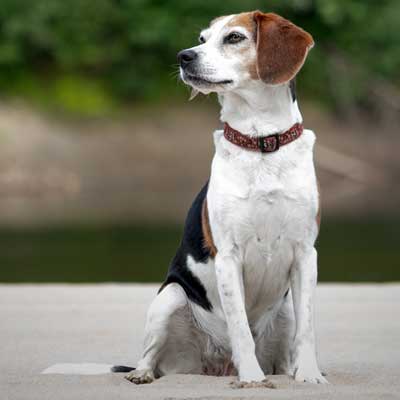
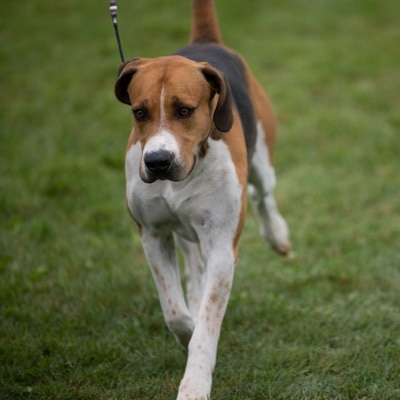
The English foxhound has a strong, symmetrical build, a deep chest and straight legs. Their expression is alert and friendly. Their low-maintenance coat is short and dense and lies close to the body. There is a natural harmony to the English foxhound’s build — the kind that comes from generations of thoughtful genetic design.

Physical TraitsTrait Details
Breed SizeLarge
CoatShort, dense, hard coat
ColorsAny hound color, commonly tricolor, black and tan, or red and white
Tail and EarsStraight tail carried high; medium-sized pendulous ears that are moderately low set
Height24 inches (males are usually taller than females)
Weight60 to 75 pounds (males are usually heavier than females)
Life Expectancy10 to 13 years

English Foxhound Temperament and Personality Traits

English foxhounds are friendly, social and full of zest. English foxhounds generally bond with the whole family rather than choosing a single person as their sole favorite and show affection through close proximity and body language. Their roots as pack dogs mean they typically enjoy the company of other dogs, and many thrive in multi-dog households. With respectful children and clear boundaries, foxhounds can be gentle companions who enjoy structured play and outdoor exploration. Strangers are usually greeted with cheerful interest rather than suspicion. 

English foxhounds have a strong scent instinct and prey drive, and their natural response to small, fast moving animals is unpredictable. Some can coexist with cats if raised together, introduced slowly and supervised carefully. Smaller pocket pets, birds and squirrels are not compatible. The good news is that the prey drive of a foxhound can be managed with training.

The foxhound mischief comes from curiosity rather than boredom. English foxhounds like to explore, test boundaries and investigate interesting smells. If left unattended, they might counter-surf, slip through a door or nose into a laundry basket. With enrichment and clear household rules, the mischief becomes manageable and often turns into part of their charm.
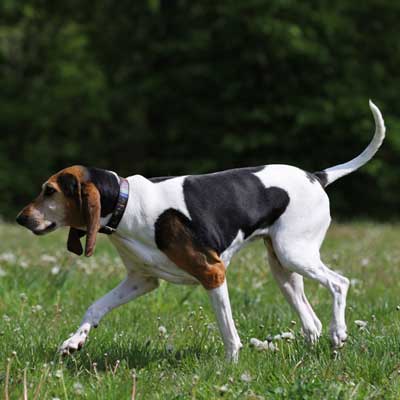
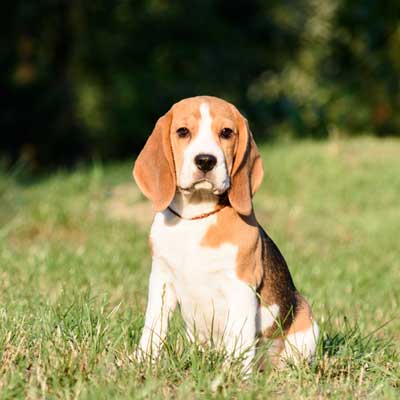
Personality and Temperament Trait Scale

Traits are on a scale of 1 to 5, with 1 being the least and 5 being the most.

Personality TraitTrait Scale
Energy Level4 - High Energy
Prey Drive5 - Very High Drive
Drooling2 - Low Drooling
Shedding4 - High Shedding
Coat Maintenance2 - Low Maintenance
Barking5 - Extremely Vocal
Social Tendencies3 - Balanced
Trainability3 - Moderately Trainable

Note: These rankings describe general tendencies. Dogs, like people, are individuals and their behavior and personality can vary based on genetics, environment, health, and training.

Lifestyle Compatibility

Before adopting any breed of dog, it's a good idea to speak to a veterinarian to determine if their health and care needs fit with your household, budget and lifestyle. Understanding common veterinary needs can also help you decide if they are a good fit for your home.

Best for: Active homes, rural or suburban settings and families who enjoy outdoor activities. Always monitor children around dogs.

Good with: Children, dogs and households that enjoy social, outgoing pets.

Less suitable for: Apartments without consistent exercise opportunities or homes expecting a low-energy dog.

Exercise Needs and Appropriate Activities

English foxhound families should plan for generous exercise each day, often an hour or more, to keep their dog friend feeling balanced and content. Many foxhounds enjoy hiking, woodland sniff-ploring, light jogging and the chance to investigate interesting scents inside secure boundaries. Their endurance is impressive — they thrive when they can open their stride in secure open spaces. These dogs also enjoy organized pursuits such as tracking trials, scent work, field events or hound club fun runs that channel their natural abilities. 

Mental stimulation plays a major role in their overall happiness as well. Nose-based challenges, snuffle mats and simple problem-solving food puzzles engage mind and body. 

Very young dogs benefit from gentle, varied play sessions and short, low-impact outings that let them practice coordination without stressing their developing frames.

Training

Training an English foxhound works best when the approach is patient, positive and consistent. They respond to clear cues, meaningful rewards and repetition that feels predictable rather than rushed. Heavy-handed techniques usually slow their progress and create hesitation. Because of their pack heritage, many English foxhounds enjoy group classes, paired learning or training sessions where they can watch another dog demonstrate a behavior first.

Early socialization (once your vet says OK) with a wide range of people, animals, textures, noises and environments helps create a confident adult who can adjust to everyday life more easily. Essential skills include recall, loose-leash walking, "stay," "go to mat" and strong boundary cues that keep them focused when something exciting catches their attention.  

Cooperative care training, such as practicing calm handling for nail trims, grooming, ear checks, mouth checks and veterinary visits, sets them up for a lifetime of easier care.

English Foxhound Health and Wellness

English foxhounds are generally healthy, though a few breed-related conditions can occur. Regular veterinary visits, weight control, appropriate exercise and thoughtful nutrition give them a strong foundation for a long, active life. Talk to your veterinarian about the right time to spay or neuter your dog. 

English Foxhound Potential Health Issues

Developmental joint disorders: Hip and elbow dysplasia can occur in large-breed dogs. Controlled growth through proper nutrition and low-impact exercise in puppies, early veterinary screening and responsible breeding can all help support healthy joint development.3

Ear infections: Their long, pendulous ears can trap moisture, causing secondary infections. Dogs with ear infections shake their heads and scratch their ears. Routine ear inspections for redness, odor or debris allow early detection and treatment. If your dog swims, ask your vet for an approved ear cleaner. 

Grooming Needs

Grooming an English foxhound is simple. Their short coat requires weekly brushing with a soft bristle brush or grooming mitt to remove loose hair and redistribute skin oils. They shed lightly to moderately throughout the year, and their short coat tends to release more hair during spring and fall. Daily brushing during this time helps manage loose hair. Bathing is needed only when they are dirty. Trim nails every two to four weeks, check ears weekly for redness or odor (and call your vet if you witness either) and brush teeth daily with a dog-specific toothpaste to maintain good dental health. 

Is an English Foxhound Your New Furry Friend?

Families seeking friendly, athletic, open-hearted dogs may find the English foxhound a joyful addition. They thrive with exercise, companionship and consistent routines. When their needs are met, they become enthusiastic, loyal partners. If an English foxhound decides you are their person, buckle up, because your life just got a delightful upgrade.

Resources For New Pet Parents

Get expert tips for a long and happy life with your new best friend.

New dog guide

English Foxhound Dog Breed FAQs

Yes, English foxhounds shed throughout the year and tend to release more hair during seasonal changes.

English foxhounds can be gentle with respectful children when everyone interacts under supervision and with clear boundaries.

Most English foxhounds need at least an hour of active movement each day to stay content and healthy.

Many English foxhounds get along well with other dogs, though their strong scent drive means caution is needed around smaller animals.

English foxhounds can be vocal, especially when excited, working together in a pack or busy following an interesting scent. Training helps keep this manageable.

References

  1. American Kennel Club. “English Foxhound.” Last modified 2024. https://www.akc.org/dog-breeds/english-foxhound/.

  2. Master of Foxhounds Association. “Foxhound Registry.” Last modified 2025. https://www.mfha.com/foxhound-registry.

  3. Demko, Jennifer, and Ron McLaughlin. “Developmental Orthopedic Disease.” Veterinary Clinics of North America: Small Animal Practice 35, no. 5 (2005): 1111–1135. https://doi.org/10.1016/j.cvsm.2005.05.002.

Dr. Sarah Wooten Dr. Sarah Wooten

Dr. Sarah Wooten graduated from UC Davis School of Veterinary Medicine in 2002. A member of the American Society of Veterinary Journalists, Dr. Wooten divides her professional time between small animal practice in Greeley, Colorado, public speaking on associate issues, leadership, and client communication, and writing. She enjoys camping with her family, skiing, SCUBA, and participating in triathlons.