Saluki Dog Breed Guide

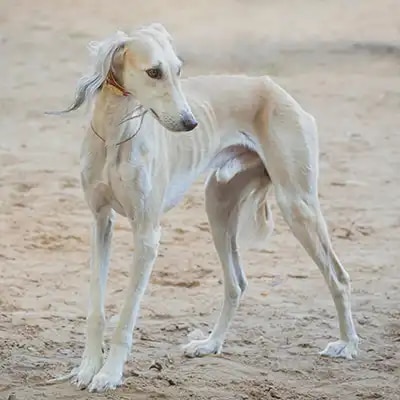
The saluki dog breed is elegant, ancient and living art in motion. They are one of the world’s oldest dog breeds, and when you look into those almond-shaped eyes, you can almost feel the centuries looking back.

If you admire intelligence wrapped in silky beauty, prefer respect over clinginess and can offer space for freedom and rest, the saluki might be the perfect fit.

Energy Level

Energy Level

Prey Drive

Prey Drive

Drooling

Drooling

Shedding

Shedding

Coat maintenance / grooming needs

Coat maintenance / grooming needs

Barking

Barking

Social tendencies with people

Social tendencies with people

Trainability

Trainability

The Origins of the Saluki

The saluki’s story stretches back thousands of years. Archaeology points to the Fertile Crescent as their place of origin, where they were treasured by nomadic Bedouin tribes. Salukis were often referred to as the royal dog of Egypt, and mummified salukis have even been found in ancient tombs. The saluki was bred for their speed and endurance to chase hares, foxes and gazelles in brutal heat across open dunes without slowing down. 

The saluki reached England in the 1800s, brought by diplomats, high-ranking officers or people who received them as gifts from sheikhs. People were mesmerized by these exotic, noble sighthounds, who were soon associated with luxury. The American Kennel Club officially recognized the breed in 1929, and they are part of the Hound Group. Today, although they have traded Bedouin tents for leather couches, the saluki still carries a captivating air of mystery and nobility.1,2

Group/classHound Group (AKC), Sighthound and Pariah Dog Group (United Kennel Club)
Club recognitionAKC, Saluki Club of America, UKC
Instincts, function and purposeSalukis were bred for their speed and endurance. Today, these dogs require lots of exercise and variety in their daily activities.
AdaptabilitySalukis do best with pet parents who can foster their athleticism and respect their individualism. They are bred for the heat of the Middle East, so they do well in warm climates.
Breed standardsSaluki Club of America, UKC Official Standard

Nutrition for Salukis

Salukis are lean, athletic sighthounds built for both endurance and speed. To maintain their unique physique, they benefit from complete and balanced nutrition tailored to their specific requirements. Because they have naturally low body fat and active metabolisms, finding the right energy balance is important to support their muscle tone and overall vitality. For saluki puppies, a balanced formula helps support a healthy growth rate for their developing bones and joints, while adults benefit from nutrition that focuses on maintaining their athletic structure. A precise balance of vitamins and minerals, including antioxidants like vitamins C and E, helps support a healthy immune system throughout their lives.

Ingredients and Nutrients

Selecting a food with high-quality ingredients is key to meeting a saluki’s nutritional needs. Look for recipes featuring protein sources — like chicken, lamb, or salmon—to help maintain their characteristically lean muscle mass. To help support a healthy skin and their famously silky coat, look for omega-6 fatty acids from sources such as vegetable oils and chicken fat.

Fish oil provides the omega-3 fatty acids needed to help nourish their brain, joints, and organs, while prebiotic fibers like fructooligosaccharides (FOS) or beet pulp help support healthy digestion. Finally, balanced levels of calcium and phosphorus help support the strong bone structure needed for their active lifestyle, helping ensure your saluki stays ready for every sprint.

Life Stage Considerations

Puppies

Saluki puppies can take two to three years to reach full maturity. During this time, feed them complete and balanced nutrition designed for their life stage that supports healthy development. Talk to your vet about when the best time is to transition them to adult food. 

Adults

Adult salukis thrive on food that provides energy and essential nutrients while maintaining a lean body condition. For salukis, your vet may recommend a large-breed formula.

Seniors

Older salukis benefit from foods that are formulated to be highly digestible, promote gut health and contain antioxidants and controlled calories to support healthy aging and a lean body condition. Regular veterinary checkups help track muscle mass, dental health and digestive comfort.

Weight or joint support

Obesity is an inflammatory condition that can cause many problems, including increased wear and tear on joints, which can lead to loss of mobility and comfort. Whatever food you feed, measure the amount with a kitchen scale and limit treats to less than 10% of their total daily calories. Always consult your vet for personalized nutrition decisions, especially for growth, athletic conditioning, weight changes or disease conditions.

Saluki Dog Breed Characteristics

The saluki is an athletic, medium-large sighthound known for its speed, agility and calm, regal demeanor. They are elegant yet durable, calm indoors and energetic outdoors. Salukis thrive in stable environments that give them both structure and room to move. Beneath their graceful appearance is a capable, loyal companion who bonds for life.

Appearance and Physical Traits

Breed OverviewBreed Information
Breed sizeMedium to large
CoatSmooth or feathered, with longer hair on ears, tail and legs
ColorsWide range including cream, fawn, gold, red, black and tan, grizzle or tricolor
Tail and EarsTail is long and curved, carried low; ears are long and pendulous, set high
Height23 to 28 inches (males are usually taller than females)
Weight40 to 65 pounds (males are usually heavier than females)
Life Expectancy10 to 17 years

Saluki Temperament and Personality Traits

The saluki dog breed walks a fine line between affection and autonomy. They bond deeply but usually with one person who “gets” them. Families are welcome, yet the saluki often chooses one favorite human and keeps them in quiet orbit. Loud or unpredictable people can overwhelm them, while gentle, calm family members often earn their quiet devotion.

With strangers, a saluki can seem aloof, polite or mildly skeptical and will likely look to you for what to do. They warm up slowly, but when they do, you’ll see soft eyes and gentle nudges that say, “I approve.”

With other dogs, they usually coexist peacefully, especially with fellow sighthounds who share their style. Small pets, however, are another story; instincts are instincts, and their rabbit-fast prey drive can't be muzzled.

They are not mischievous in the same way a terrier is, but they are curious. Leave a sandwich unattended and you may find out how fast a saluki can move. Aggression is rare in this breed. When stressed, salukis are more likely to exit quietly than growl, bark or lunge.

Salukis are independent-thinking dogs but still trainable. When you call them, they might stroll over, and when they do, it's because they chose to comply. Salukis carry a quiet, understated confidence. They're not the tail-wagging life of the party, but when they feel secure and understood, their confidence shines in elegant ways: steady eye contact, graceful posture and a soft trot that looks like floating. They do not posture or bristle to prove themselves. They simply are.

Personality and Temperament Trait Scale
Traits are on a scale of 1 to 5, with 1 being the least and 5 being the most.

Dog TraitTrait Scale Value
Energy Level4 (High Energy)
Prey Drive/chase instinct5 (Very High Drive)
Drooling1 (Minimal Drooling)
Shedding2 (Low Shedding)
Coat maintenance/grooming needs2 (Low Maintenance)
Barking1 (Very Quiet)
Social tendencies with people2 (Slightly Reserved)
Trainability2 (Somewhat Difficult)

Lifestyle Compatibility

Best for

Patient, experienced pet parents who value and respect calm, independent dogs and have a securely fenced yard for exercise.

Good with

Adults, older children and other gentle dogs. Always monitor children around dogs.

Less suitable for

Households with small pets or children or those seeking a constant cuddle companion.

Before adopting any breed of dog, it's a good idea to speak to a veterinarian to determine if their health and care needs fit with your household, budget and lifestyle.

Exercise Needs and Appropriate Activities

The saluki dog breed is built for motion and needs daily outlets for their energy. A secure, fenced field or safe, open space lets them run at full stride, and watching that kind of speed feels almost unreal. Daily runs, long walks and mental challenges, like scent work or puzzle games, keep both body and mind satisfied.

Overtraining dulls the spirit of a saluki, while variety keeps them focused. Around 45 to 60 minutes daily of moderate exercise with opportunity for short sprints is enough to satisfy most salukis. After a burst of activity, they settle easily and seem content just to be near you.

Their prey drive is powerful, and recall often fails, so always run them in enclosed areas or on long lines. They are happiest when trusted with space but guided with boundaries. Salukis excel at lure coursing, agility and gentle hiking, all in moderation. Salukis enjoy chasing fluttering objects, like kites or ribbons. Turning that instinct into play gives them joy and satisfies their natural drive without risk.

Young salukis should avoid repetitive distance running until their bones and joints mature. Talk to your vet about when they are ready for adult-level intensity exercise.

Training Saluki Dogs

Training a saluki is about communication, not control. They are intelligent and sensitive, which means they notice every detail of your tone, mood and movement. Mix short recall games with light agility or scent puzzles to hold their focus. Many salukis understand gestures faster than words. If you pair voice cues with smooth hand signals, communication becomes a graceful, shared language. Socialization should begin early and stay positive. 

Teaching cooperative care is just as vital. Calm brushing, nail trims and exams can all be trained using calm touch and small rewards. Salukis respond best when they are treated as partners. If you guide them with respect, teach with consistency and celebrate small wins, the saluki becomes an elegant, willing teammate who trains because they want to, not because they have to.

Saluki Health and Wellness

Salukis are generally healthy and long-lived, but their lean frames and athletic build call for mindful management. Preventive veterinary care and early health screens, good nutrition, maintaining a lean body weight and daily exercise go a long way toward keeping them thriving.

Saluki Potential Health Issues

Heart disease

Salukis are confirmed to have a higher rate of heart disease than other breeds. Talk to your vet about screening, and have a saluki's heart checked by a vet annually.

Grooming Needs

Salukis have relatively low-maintenance grooming needs. Their short coat sheds lightly and stays clean with weekly brushing with a soft bristle brush or grooming mitt. Feathered varieties benefit from gentle combing through the ears, tail and legs to prevent tangles.

They rarely need baths, but if you do give them one, brush them beforehand as matted hair will tighten when wet and may become impossible to comb out. Salukis dislike slippery floors and cold surfaces, which can make bath time stressful. Place a towel or rubber mat in the tub and warm the water slightly before bathing.

Trim their nails every two to four weeks or as needed, and brush their teeth daily with a dog-specific toothpaste. Salukis have thin skin and minimal hair covering pressure points, like elbows or hips. They appreciate having a thick bed that cushions joints up and away from the hard floor. 

Is a Saluki Your New Furry Friend?

The saluki is poetry in motion and quiet companionship at rest. They are thoughtful, dignified and fiercely loyal once they choose you. If you want a dog who glides instead of gallops, guards your peace instead of your property and expresses love through presence rather than noise, the saluki might be your perfect match. Living with one might even make you feel a little bit like royalty (minus the crown) but with much better company.

Resources For New Pet Parents

Adopt a pet. Change a life.

Pet adoption

Get expert tips for a long and happy life with your new best friend.

Dog Guide

Saluki Dog Breed FAQs

Yes, salukis need daily opportunities to run safely and stretch their long legs.

Salukis do well with older, gentle children who respect their space.

Salukis shed lightly. Weekly brushing keeps their coat in great condition.

Salukis can be good for first-time pet parents who understand independent, sensitive breeds and provide calm leadership.

Salukis are relatively long-lived dogs, with a typical lifespan of 10 to 17 years with excellent care and nutrition.

References

  1. American Kennel Club, “Saluki Dog Breed Information,” accessed November 2025, https://www.akc.org/dog-breeds/saluki/

  2. The Saluki Club of America, “History of the Saluki,” accessed November 2025, https://salukiclub.org/history/

  3. World Small Animal Veterinary Association, “Dog Breeds: What You Need to Know About Salukis,'' updated October 13, 2020, https://wsava.org/updates/dog-breeds-what-you-need-to-know-about-salukis/

  4. Ogburn, P. N., M. Peterson, and K. Jeraj, “Multiple Cardiac Anomalies in a Family of Saluki Dogs,” Journal of the American Veterinary Medical Association 179, No. 1 (1981): 57–63, https://pubmed.ncbi.nlm.nih.gov/7251462/