How to Choose Healthy Cat Food
Expert Reviewed
Written By
Reviewed By

Written By
Reviewed By


While your veterinarian is your best resource for cat food recommendations, knowing what to look for gives youconfidence in choosing what’s best for your cat’s health. Let’s break it down and simplify the decision-makingprocess.
If you remember nothing else, remember this: Healthy cat food is complete and balanced, contains appropriate levelsof nutrients and is matched to your cat’s life stage and health needs.1
That’s it. The "right" food may not have the flashiest bag, the trendiest marketing buzzwords or the most convincingcelebrity endorser. What matters is the nutrition for the individual animal.
Cats are obligate carnivores, which means they're biologically designed to get some nutrients from animal-based sources.2 But it is not just about meat; it’s also about balance.
A complete and balanced cat food that is formulated to meet all your cat’s nutritional needs should include:
Nutrients must be precisely balanced to meet all of a cat’s nutritional needs. Too much or too little of certainnutrients can cause problems over time. For example, taurine is essential for heart and eye health in cats. If a catdoesn’t get enough, it can lead to serious issues like vision loss or heart disease. A balanced diet will provide a catwith the exact amount they need.
Moisture also plays a role in overall nutrition and health, and cats can get it from both their food and their waterbowl. Make sure your cat is staying well-hydrated regardless of whether you use wet food, dry food, gently cookedor fresh food or a combination.


Choosing the right food comes down to selecting a complete and balanced cat food that's designed for their life stageand considers their specific health needs. The best way to make sure a cat food does this is by talking with your vetand checking in with them at regular appointments.
A kitten and an adult cat have different nutritional needs because metabolism, muscle mass, organ function andappetite all change with age. For example, senior cats may have lower calorie needs due to lower activity.
Look for food labeled for your cat’s life stage, and talk to your vet about their current needs.
Some cats are low-maintenance when it comes to feeding. Others may have trouble with weight gain, sensitivedigestion, urinary issues, hairballs, skin problems or other medical conditions. If this is the case, your vet mayrecommend specialized or therapeutic nutrition, as food often plays a real role in supporting their health.
If you are unsure, this is where your vet becomes your best resource. They can help you choose the best food foryour cat based on their unique needs.
“Complete and balanced” means the food meets established nutritional standards for cats as set out by theAssociation of American Feed Control Officials (AAFCO). You’ll find this indicator on the cat food packaging label.Without it, even a food that looks high-quality can fall short over time.
Look for this statement on your cat food packaging:
“[Product Name] is formulated to meet the nutritional levels established by the AAFCO Cat Food Nutrient Profilesfor maintenance of adult cats.”
You may also see a feeding-trial version, which may provide an added level of assurance that the food was testedwith actual cats for complete and balanced nutrition:
“Animal feeding tests using AAFCO procedures substantiate that [Product Name] provides complete and balancednutrition for maintenance of adult cats."
Cats can do well with wet food, dry food, gently cooked or fresh food or a combination. Each has benefits:
If you're not sure which option is best for your cat when comparing wet vs. dry vs. fresh food, talk to your vet. Keepin mind that cats are creatures of habit; they often will not accept a new form of food if they have never beenexposed to it before.
When you pick up a food bag, look for:
Keep in mind that ingredients are listed by weight, not importance. That means water-heavy ingredients often appearfirst, even if they contribute less actual nutrition once processed.

Rather than judging a food by its ingredient list alone, look at the overall nutrition it provides to determine its value. Cats require precise levels of essential nutrients — amino acids, vitamins and minerals — to thrive. High-quality cat foods combine carefully selected animal- and plant-based protein sources to create a complete and balanced profile that supports lean muscle and energy. Instead of trying to evaluate individual ingredients, look for brands committed to strict quality control, rigorous safety testing and recipes formulated by veterinary nutritionists.
Keep in mind, too, that although cats are obligate carnivores, they can derive nutritional benefits from thoughtfully chosen carbohydrates. Carbs can provide energy, fiber and additional nutrients when part of an appropriate diet. Carbohydrates also play a functional role in dry cat food, helping to create the structure and texture.
Ultimately, the "best" or "right" cat food is built on more than just one ingredient. It's formulated so that all the nutrients work together to support your cat's health.
Having so many options can make pet parents weary, but beware of these common mistakes when choosing a cat food:
Switching foods too quickly: Cats tend to be creatures of habit, and sudden changes in food can lead to digestive upset or a flat-out food strike. If you’re making a change, take your time and transition food gradually over several days to make the process smooth. If your cat refuses to eat at any point, contact your vet.
Overlooking your cat as an individual: What works for one cat may not work for another, even in the same household. Age, activity level and health all play a role in choosing the best food.
Chasing trends: Pet food marketing can be very persuasive, and it’s tempting to follow the latest buzzwords and trends. Your cat doesn’t care about any of that. They’re relying on you to choose food that delivers complete and balanced nutrition, not just a good story on the bag.
Getting your vet involved early can help you choose the right food with confidence and adjust your cat’s nutrition as their needs change over time. If you’re unsure which food to choose, your vet is there to support you. They can help you narrow the options and suggest a cat food that fits your cat’s age, lifestyle and specific needs.
Choosing healthy cat food isn’t about chasing a perfect product. It’s about understanding what your cat needs and knowing how to recognize a food that delivers it. When you start thinking in terms of complete and balanced nutrition, your cat’s life stage and what actually fits them, the noise falls away, and choosing a food becomes a lot simpler.
Instead of focusing on specific ingredients, focus on overall balance and quality. A well-formulated food is more important than any single ingredient.
All types of cat food can be healthy options; it depends on your cat and your lifestyle. Wet food can help support hydration, while dry food is convenient and cost-effective. Many cats do well on a combination, too. Talk to your vet about which format is best for your cat.
Veterinarians typically recommend food that is specifically labeled for kittens, which contains higher levels of nutrients to support healthy growth.
Many senior cats benefit from food formulated for their life stage. These formulas are designed to support healthy weight and metabolism, muscle maintenance, internal organ health and overall vitality. Not every cat needs a change at the same time, so it’s a good idea to evaluate based on your cat’s condition rather than age alone and seek the advice of your vet.
Look at your cat. Healthy weight, good energy, normal stools and a shiny coat are all strong signs you are on the right track. If you are ever in doubt, a conversation with your vet is always a helpful confirmation.
1 U.S. Food and Drug Administration. “Complete and Balanced Pet Food.” Updated February 28, 2020. https://www.fda.gov/animal-veterinary/animal-health-literacy/complete-and-balanced-pet-food.
2 Sherry Lynn Sanderson. "Overview of Nutrition: Small Animals." Merck Veterinary Manual Professional Version. Updated September 2024. https://www.merckvetmanual.com/management-and-nutrition/nutrition-small-animals/overview-of-nutrition-small-animals.

Related products

Improves Everyday Ability to Get Up & Go

Precisely balanced nutrition with the delicious taste of finely minced turkey & liver to help fuel the energy needs of cats during the prime of their life
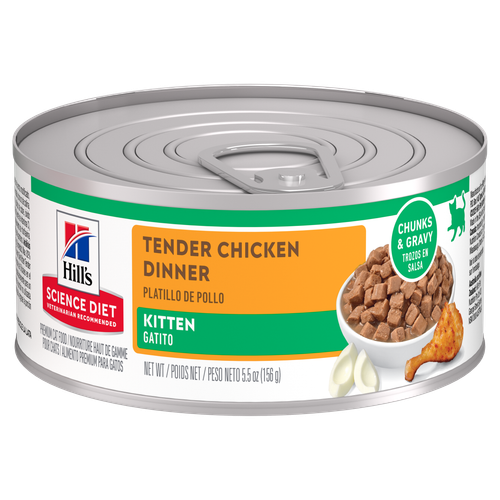
Delectable chunks with tender chicken smothered in a rich gravy

Supports energy level and beautiful fur in mature indoor cats
Related articles

How do you get a cat to lose weight? Learn all about cat foods for weight loss, including how to choose weight control cat food and exercise tips.

Discover which cat toys games your feline friend might like, and how they are great sources of exercise. Explore our library of articles to learn more.

Discover how to identify cat sensitive skin and what you can do to help your cat thrive from head to paw.

Learn how to litter train a kitten with this guide to potty training, including when to start litter training kittens and troubleshooting tips.

Our low calorie formula helps you control your cat's weight. It's packed with high-quality protein for building lean muscles, and made with purposeful ingredients for a flavorful, nutritious meal. Clinically proven antioxidants, Vitamin C+E, help promote a healthy immune system.
Our low calorie formula helps you control your cat's weight. It's packed with high-quality protein for building lean muscles, and made with purposeful ingredients for a flavorful, nutritious meal. Clinically proven antioxidants, Vitamin C+E, help promote a healthy immune system.
