
Published on August 10, 2026


In the age of wellness trends and fad diets, it may be tempting to lean on a sprinkling of supplements to ensure your cat is healthy. But when it comes to the health of your furry friend, shortcuts don't cut it, and supplements aren't going to fix a poor meal plan.
Cats are obligate carnivores with specific dietary needs, and good cat nutrition starts with a complete and balanced food that's made just for them. While cat supplements may be recommended by your veterinarian to address specific concerns, they are not a replacement for feeding your furry friend food that is complete and balanced.
In this guide, you'll learn how to build a strong nutritional foundation for your cat, which vitamins matter, when supplements make sense, what types exist and how to work with your vet to choose the best nutrition for your cat.
The Importance of Cat Nutrition
Nutrition is the foundation of lifelong health in cats. Consuming the essential vitamins, minerals, amino acids and fatty acids that cats can’t make on their own helps keep the systems in the body functioning properly. This starts with feeding your cat a complete and balanced food that follows the guidelines of the Association of American Feed Control Officials (AAFCO).
AAFCO-aligned cat food contains the nutrients that your kitty needs in the right proportions for their life stage. When fed in appropriate amounts, a complete and balanced food can help them maintain a healthy weight, support skin and coat quality, fuel the immune system and brain and promote their overall wellbeing.
Cats also have unique nutritional needs depending on their life stage. Choosing a food that is appropriate for their life stage ensures they're receiving the right nutrients for their needs at that time. Kittens, for example, often need more protein and fat for their quickly growing bodies. Older cats may benefit from higher levels of glucosamine for joint health and mobility.
Nutrition is key to giving your cat the support they need to live a healthy, enjoyable life.
Vital Vitamins for Cats
A complete and balanced cat food contains all the vitamins and minerals your furry friend needs. This includes fat-soluble vitamins (A, D, E, K), B vitamins and key minerals to keep their vision sharp, immune system strong, coat shiny and bones solid:
Vitamin A: Important for vision, skin and immune support
Vitamin D: Critical for normal calcium-phosphorus balance and bone health
Vitamin E: Helps protect cells and supports the immune system, skin and muscles
B-complex (thiamine, niacin, B12, etc.): Crucial for a healthy metabolism, nerves and red blood cells
Cats' bodies can’t make these vitamins on their own, so they must get them from their food source. But remember: If your cat is eating a complete and balanced food, they're already set — extra supplements and minerals should only come in if your vet recommends them.


Tasty Tips
The Role of Cat Supplements
Think of supplements as tools for specific situations, not replacements for a complete and balanced meal plan. For example, your vet may recommend a supplement if your cat has a health condition that causes nutrient deficiencies, or if they have trouble absorbing certain nutrients from food. In some cases, such as following surgery, supplements can also play a supportive role during recovery.
But in general, if your cat already eats food that includes these nutrients at effective levels, adding more can be unnecessary or even risky.8 Since what helps one cat may not be appropriate for another, the safest approach is always to check with your vet before adding anything new to your cat's routine.
Types of Supplements for Cats
Supplements can come in several forms, including chews, liquids, capsules or powders. Here are some common cat supplements you'll see and when they might be considered (always under veterinary guidance):
Essential Fatty Acids (Omega-3s): These come from fish oil and provide skin and coat support, healthy brain aging support and joint health support.
Joint Supplements: In addition to omega-3s, joint supplements commonly include glucosamine and chondroitin.
Probiotics, Prebiotics and Postbiotics: Biotics may be recommended for specific digestive concerns under veterinary direction.
Anti-Anxiety Supplements: Calming supplements, such as L-theanine, can decrease anxiety and related litter box problems in some cats.
SAMe: This supplement — made from the amino acid methionine and primarily used for liver health and function — can also support aging feline brains, particularly in older cats that are showing signs of dementia.10
Vitamin blends or multivitamins are usually unnecessary if you're feeding your cat a complete and balanced food. Deficiencies or special conditions should be diagnosed and supplemented under veterinary supervision only.
Quick Supplementing Tips
A couple of simple rules can help keep supplement use safe and effective:
Avoid giving your cat any supplement made for people. Human products often contain additives that aren't safe for cats, and it's nearly impossible to administer correctly.11
Skip any supplement that claims to replace a cat's complete and balanced meal plan. Food should always come first, and supplements are only there to fill a gap under the direction of your vet.
If you're not sure, ask your vet. They can help you determine which supplements, if any, may benefit your cat.
Follow Veterinary Guidance
Your vet is your best guide on cat nutrition and cat supplements. They'll match life stage (kitten, adult, senior), body condition and medical history to a food that provides complete and balanced cat vitamins and minerals and advise if any supplementation is appropriate.
Your vet can also recommend therapeutic cat foods that are formulated to address specific health issues. These powerful foods are only available with a prescription from your vet. For example, if you have an aging cat that suffers from both joint stiffness and cognitive issues, your vet may recommend therapeutic nutrition that supports both brain function and mobility.
Bottom Line on Cat Supplements
Cat supplements can help in specific, vet-guided scenarios, but they don't replace the daily foundation of a complete and balanced cat food. Feed for the life stage, cover cat vitamins and minerals through complete and balanced food and partner with your vet to decide if any cat nutritional supplement belongs in your pet’s health plan.

Related products
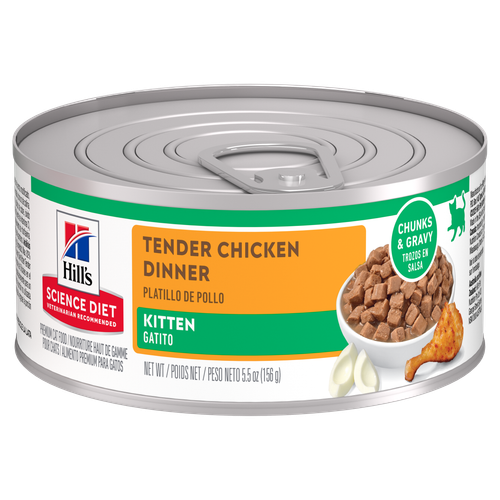
Kitten Tender Chicken Dinner Cat Food
Delectable chunks with tender chicken smothered in a rich gravy

Senior Vitality Adult 7+ Tuna & Vegetables Stew
Improves Everyday Ability to Get Up & Go

Adult 7+ Indoor Chicken Recipe Cat Food
Supports energy level and beautiful fur in mature indoor cats

Adult Turkey & Liver Entrée Cat Food
Precisely balanced nutrition with the delicious taste of finely minced turkey & liver to help fuel the energy needs of cats during the prime of their life
Related articles
Helping Your Cat Lose Weight: Cat Foods for Weight Loss and Exercise Tips
How do you get a cat to lose weight? Learn all about cat foods for weight loss, including how to choose weight control cat food and exercise tips.

How to Litter Train a Kitten
Learn how to litter train a kitten with this guide to potty training, including when to start litter training kittens and troubleshooting tips.

Helping a Cat with Sensitive Skin
Discover how to identify cat sensitive skin and what you can do to help your cat thrive from head to paw.

Fun Games for Exercising Your Cat | Hill's Pet
Discover which cat toys games your feline friend might like, and how they are great sources of exercise. Explore our library of articles to learn more.

Put your cat on a diet without them knowing
Our low calorie formula helps you control your cat's weight. It's packed with high-quality protein for building lean muscles, and made with purposeful ingredients for a flavorful, nutritious meal. Clinically proven antioxidants, Vitamin C+E, help promote a healthy immune system.
Put your cat on a diet without them knowing
Our low calorie formula helps you control your cat's weight. It's packed with high-quality protein for building lean muscles, and made with purposeful ingredients for a flavorful, nutritious meal. Clinically proven antioxidants, Vitamin C+E, help promote a healthy immune system.