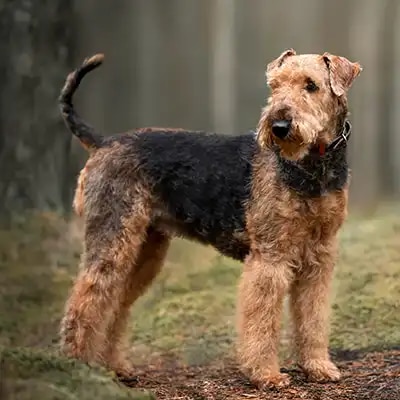
Belgian Malinois Dog Breed Guide

Laci Schaible, DVM, MLS, CVJ

The Belgian Malinois is an athletic and intelligent high-energy dog that's best for active and experienced dog parents. Sometimes confused with the German shepherd, the short-haired Belgian Malinois makes a loyal and devoted companion who is more of a working dog than a pet. They are happiest when they are tasked with a daily job requiring mental and physical stimulation.

Energy Level

Energy Level

Prey Drive

Prey Drive

Drooling

Drooling

Shedding

Shedding

Coat maintenance / grooming needs

Coat maintenance / grooming needs

Barking

Barking

Social tendencies with people

Social tendencies with people

Trainability

Trainability

The Origins of the Belgian Malinois Dog Breed

Named after the city of Mechelen (French name, Malines) in Belgium, this intelligent breed's origins can be traced back to the late 1800s,1 when it was bred for herding and farm work. The first Malinois came to the U.S. in 1911, but the start of World War II stopped any more from coming in. With so few of the breed in the country, the Belgian Malinois joined the American Kennel Club's miscellaneous class in 1959.1 In 1963, they transitioned to the Working Group, and then in 1983, they were moved to the Herding Group.

The breed is widely used around the world for military, police and service dog roles. They can be kept in the home, but they require rigorous engagement to keep them stimulated.

Group/classHerding Group (AKC), Herding Dog Group (UKC)
Club recognitionAmerican Kennel Club, United Kennel Club, Canadian Kennel Club
Instincts, function and purposeBred for herding, guarding and farm work, this breed has a strong prey drive and a high instinct to work. They excel at military and police dog functions, along with protection work sports, such as Belgian Ring and French Ring.
AdaptabilityThe Malinois is best with experienced pet parents who will provide consistent structure, leadership, daily training and a clear job (obedience, agility, protection, search work, etc.)
Breed standardsOfficial American Belgian Malinois Club Standard, Official UKC Breed Standard

Belgian Malinois Nutrition and Dog Food

A high energy, medium-to-large breed dog, the Belgian Malinois requires a carefully balanced diet to support its lifestyle, lean body and working drive. Depending upon the dog's life stage and daily activity, their nutritional needs vary. Nutrition plays a huge role in their long-term health, performance and lifespan.

Ingredients and Nutrients

For a Belgian Malinois to truly thrive, they need precise nutrition tailored to their high energy levels and active lifestyle. Look for a complete and balanced food that delivers tangible benefits: high-quality proteins like chicken, lamb or salmon for lean muscle maintenance, and vegetable oils or chicken fat for omega-6 fatty acids that nourish the skin and coat. To support their internal health—including the brain, kidneys and joints—ensure the food contains fish oil for omega-3s. Prebiotic fibers from beet pulp or fructooligosaccharides (FOS) work to keep their digestion on track, while balanced minerals like phosphorus and calcium support sturdy bones. It’s the nutrition they need to stay happy and active in your home.

Life Stage Considerations

Puppies

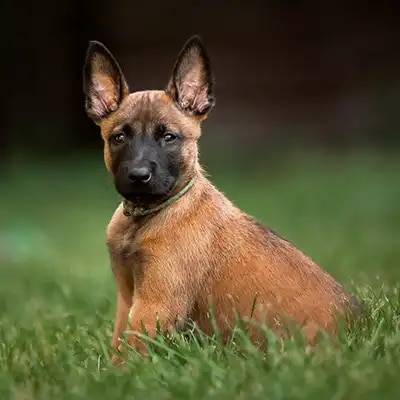
Feed puppies multiple meals daily of a complete and balanced dog food designed for large-breed puppies. This helps support healthy development of bones, muscles and organs. Most puppies will transition from puppy food to adult dog food between 12 and 18 months old.

Adults

At maturity, the athletic build and strong metabolism of the Belgian Malinois requires a consistent feeding schedule, usually of two meals daily. This helps maintain their energy levels.

Seniors

Though the breed is not prone to obesity, maintaining a healthy weight throughout adulthood and into the senior years is crucial for Belgian Malinois. Excess weight places additional strain on their joints and increases the risk and acceleration of conditions like hip and elbow dysplasia. Choosing a food enhanced with joint-supportive nutrients is important for a strong nutritional foundation for this breed. Ask your veterinarian when it is appropriate to switch to a senior formula to help keep calories and protein levels appropriate for your aging dog.


To avoid unhealthy weight gain, always measure the amount you feed them on a kitchen gram scale, limit treats to 10% of the total daily calorie count and check your dog’s body condition monthly. Your veterinarian can help you determine a healthy weight for your dog and what food is best.

Belgian Malinois Dog Breed Characteristics

The Belgian Malinois exudes controlled power with a tireless drive that thrives on purpose and challenge. This is a companion that needs someone equally focused and active, who can match the breed's energy and channel its brilliance into shared work or adventure.

Appearance and Physical Traits

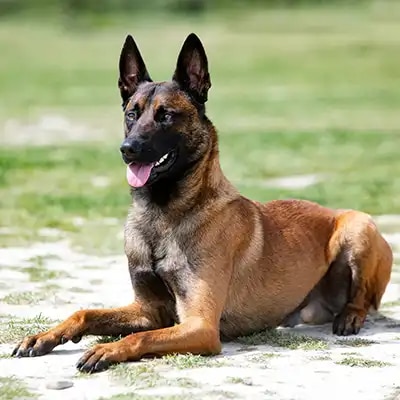
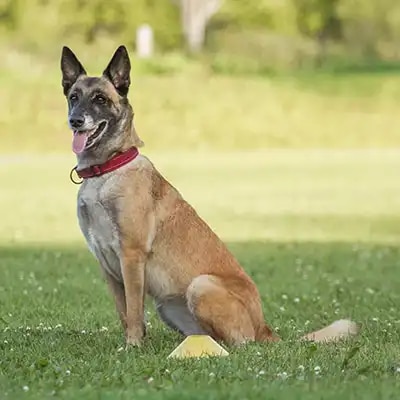
With its sleek, powerful build, fawn-colored coat and black mask, the Malinois has an expression almost as intense as its working drive. Imagine a leaner, more athletic version of the German shepherd, with a long and strong tail and erect, triangular ears. The Malinois has a lighter frame, a narrower face, and more upright, finely built proportions, built for speed and agility rather than bulk.

Breed OverviewBreed Information
Breed sizeMedium to large
CoatSmooth, short and dense
ColorsFawn to mahogany with black mask; may have black-tipped hairs; small white spot on chest or toes sometimes allowed
Tail and EarsTail is strong and slightly curved when relaxed; ears are triangular, erect and set high
Height22 to 26 inches (males are usually larger than females)
Weight40 to 80 pounds (males are usually heavier than females)
Life Expectancy12 to 15 years

Belgian Malinois Temperament and Personality Traits

Intense, intelligent and loyal are three words that can sum up the Belgian Malinois. This breed thrives on structure, purpose and close bonds with its family, to whom they are loyal and affectionate. Naturally protective and alert, they are often reserved with strangers, making them excellent watchdogs. Malinois take pride in their work and strive to please their people. Leadership and structure are required if you welcome them into your home. 

Their high energy and working drive mean they do best with experienced, active owners who can provide consistent training and mental stimulation—not someone simply seeking a cuddly companion. Despite their strong work ethic, they can be quite playful, charming and even goofy when relaxed among their people. Though this breed embodies work before play, they do enjoy the lighter moments in life.

Personality and Temperament Trait Scale
Traits are on a scale of 1 to 5, with 1 being the least and 5 being the most.

Dog TraitTrait Scale Value
Energy Level5 (Very High Energy)
Prey Drive/chase instinct5 (Very High Drive)
Drooling1 (Minimal Drooling)
Shedding3 (Moderate Shedding)
Coat maintenance/grooming needs2 (Low Maintenance)
Barking3 (Moderately Vocal)
Social Tendencies (affection toward family vs. strangers)3 (Balanced)
Trainability5 (Exceptionally Trainable)

Lifestyle Compatibility

Best for

Active households where they have a job to perform daily.

Good with

Other pets when they have had adequate socialization; prey drive may make sharing a household with cats unsafe depending upon the individual dog.

Less suitable for

Busy families, apartment life, first-time dog parents or less active individuals.

Before adopting any breed of dog, it's a good idea to speak to a veterinarian to determine if their health and care needs fit with your household, budget and lifestyle.


Exercise Needs and Appropriate Activities

With high physical exercise needs along with requiring mentally engaging activities, this breed needs a job and an opportunity for problem-solving, not just long daily walks and flying disk play. Some examples of the activities that the breed is well-suited for include agility, obedience, herding, protection work, tracking, police K9 and search and rescue.

Training

Malinois respond best to structured, consistent and mentally engaging training that challenges both their intelligence and physical ability. Highly sensitive to their parent's tone and energy, they thrive under positive reinforcement tactics instead of harsh punishments. 

Because of their intense focus and drive, they excel when training is varied, purposeful and task-oriented, such as with agility, obedience, scent work, or protection exercises that keep their minds sharp and bodies active. Trainers often recommend unique training for the breed, as compared to most pet dogs. Without adequate training and enrichment, they are prone to becoming destructive or anxious.

Belgian Malinois Health and Wellness

There are a few diseases the Belgian Malinois can be predisposed to. Understanding these risks can help you be prepared and know what to look out for, especially as your dog gets older.

Potential Health Issues

Joint disorders

Hip and elbow dysplasia can be common among this breed, and risk can increase with weight gain. It's important to feed them a complete and balanced diet with consistent, proper portions, as body condition can play a big part in joint health.

Progressive retinal atrophy (PRA)

This is an inherited, irreversible eye disease that can lead to blindness. DNA testing is available to identify the genes for PRA.

Epilepsy

Epilepsy can show up between Malinois ages 2 to 5. This can be managed with medication and close veterinary care.

Allergies

Malinois can be at risk for allergies, which can cause skin and/or gastrointestinal signs. 

Regular veterinary visits, a complete and balanced diet, and proper exercise can help prevent or manage many of these conditions and support a long, healthy life

Grooming Needs

Overall, Malinois are relatively easy keepers when it comes to meeting their grooming needs. Their short and dense coat sheds year-round, with additional shedding seasonally. Weekly brushing helps manage this shedding and keeps their coat healthy. Routine baths, nail trimming, weekly ear cleaning, and daily dental care complete their grooming routine.

Is a Belgian Malinois Your New Furry Friend?

The Belgian Malinois is an intelligent, high-energy working dog that thrives with experienced pet parents who can provide consistent training, structure and daily physical and mental stimulation. If you're an experienced dog parent looking for a dog to share in your active lifestyle or to assist you in a specific role or sport, this loyal, protective companion breed could be a great fit for you.

Resources For New Pet Parents

Adopt a pet. Change a life.

Pet adoption

Get expert tips for a long and happy life with your new best friend.

Dog Guide

Belgian Malinois FAQ

They can be, but it takes a special family. They are fiercely loyal and affectionate with their trusted people, but this breed needs a daily job. If you are considering this breed, you must be committed to providing engaging and regular mental and physical outlets, or they are prone to behavioral problems. Always monitor children around dogs.

Generally speaking, yes. There are some hereditary conditions they are prone to, such as hip and elbow dysplasia. Regular vet checkups and maintaining a healthy weight can also help keep them at their happiest and healthiest.

References

  1. Elaine Waldorf Gewirtz, "Belgian Malinois History: From Livestock Herding Dog to Versatile Companion," American Kennel Club, 2025, https://www.akc.org/expert-advice/dog-breeds/belgian-malinois-history/

  2. American Belgian Malinois Club, "Official Standard for the BELGIAN MALINOIS – ABMC," American Belgian Malinois Club, accessed November 18, 2025, https://www.malinoisclub.com/abmc/about-malinois/abmc-malinois-standard/

Dr. Laci Schaible Dr. Laci Schaible

Dr. Laci Schaible is a small animal veterinarian, veterinary journalist, and a thought leader in the industry. She received her Doctor of Veterinary Medicine from Texas A&M University and her Masters in Legal Studies from Wake Forest University.