Belgian Sheepdog Dog Breed Guide

The Belgian sheepdog is a strikingly handsome herding and protection breed known for high intelligence, razor-sharp focus and athleticism. These dogs analyze, observe and react with precision. Belgian sheepdogs excel at just about anything you ask them to do, including impersonating a lapdog. If your ideal canine companion is smarter than you, is a surprisingly playful and affectionate workaholic and thinks you are the center of their universe, then the Belgian sheepdog might be for you.

Best for: Active and working homes, canine sport enthusiasts and people who enjoy training, people experienced with the breed.

Less suitable for: Low-activity households or situations without regular structure and mental enrichment, first-time pet parents or families with young children.

Energy Level

Energy Level

Prey Drive

Prey Drive

Drooling

Drooling

Shedding

Shedding

Barking

Barking

Trainability

Trainability

The Origins of the Belgian Sheepdog


The Belgian sheepdog, also sometimes called the Belgian shepherd dog, originated in Belgium during the late 19th century when breeders set out to produce a standardized shepherd. Four varieties emerged from the same foundation stock: the long-haired black Groenendael, the long-haired fawn or mahogany Tervuren, the short-coated Malinois and the rough-coated Laekenois. All four varieties are anatomically identical outside of their coat type. The black Groenendael, today’s Belgian sheepdog, was named by Nicolas Rose, a shepherd dog breeder near Brussels in the 1890s. ​​These dogs excelled at herding livestock, guarding property and assisting farmers with hard physical work. 

As the Industrial Revolution reduced the need for herding dogs, Belgian sheepdogs found new roles in police work, military work, border patrol, ammunition, ambulances, search and rescue and detection. The Belgian Sheepdog Club of America was established in 1949, and since then these dogs have shown they can do just about anything. The American Kennel Club recognized the Belgian sheepdog in 1912 and maintains the breed standard.1,2

Breed AttributeAttribute Details
Group/classHerding Group (AKC, United Kennel Club)
Club recognitionAKC, Belgian Sheepdog Club of America, UKC
Instincts, function and purposeThe Belgian sheepdog was bred for herding, guarding, patrol work, detection and service tasks.
AdaptabilityBelgian sheepdogs are best for active homes that appreciate intelligent, high-drive dogs.
Breed standardsBelgian Sheepdog Club of America Official Standard, UKC Official Standard

Nutrition for Belgian Sheepdogs

Belgian sheepdogs are large, athletic workers who need a complete and balanced large-breed dog food designed to support lean muscle, joint health and high energy levels. Keeping them in a lean body condition helps support mobility and joints. Work with your veterinarian to choose the best food for your dog and determine the amount of food they need for their life stage and activity level. Instead of free-feeding, offer multiple small meals throughout the day. Measure food on a kitchen gram scale for accuracy and keep treats and people food combined to less than 10% of their daily calorie amount.

Ingredients and Nutrients

Look for a complete and balanced dog food that will provide your Belgian sheepdog with all the nutrients they need to suit their lifestyle. Belgian sheepdogs may benefit from foods enriched with omega-6 fatty acids to support their skin and coat, prebiotics to support healthy digestion, and omega-3 fatty acids to support their brain and joints.

Life Stage Considerations

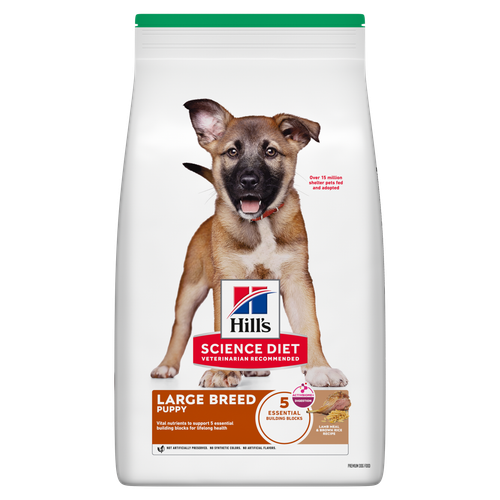
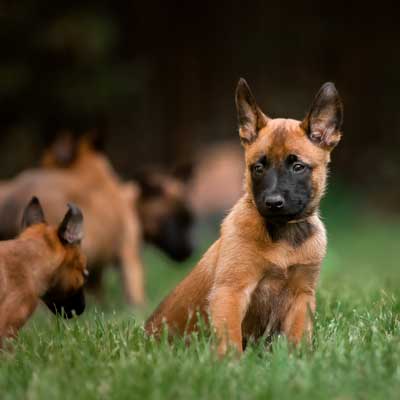
Puppies: Growing Belgian sheepdog puppies need to eat food that supports healthy growth and development. To promote healthy skeletal development, choose large-breed puppy foods that are formulated with precise calcium and phosphorus levels. Avoid overfeeding.

Adults: Adult Belgian sheepdogs need to consistently consume food that supports their activity level. Working or very active dogs benefit from eating food that is slightly higher in protein, calories and fat, while companion sheepdogs thrive on moderate-calorie foods that preserve lean body condition. Formulas rich in balanced omega fatty acids support a luxurious coat and healthy joints.

Seniors: Senior sheepdogs may or may not slow down, but they still benefit from eating nutrient-rich foods that support joint comfort and healthy aging and digestion. Fermentable fiber helps support gut health. Antioxidants can promote immune and cellular resilience. Controlled calories and L-carnitine help support a healthy weight. Omega-3 fatty acids help support joint, skin and coat health. Omega-6 fatty acids are important for skin and coat health as well.

Belgian Sheepdog Dog Breed Characteristics

Living with a Belgian sheepdog feels like having a roommate who tracks your movements, assesses the environment and anticipates the next task. They are agile, elegant, highly trainable and expressive. Belgian sheepdogs don’t do anything halfway, whether that is performing jaw-dropping physical feats or bonding with their favorite person. Their deep loyalty and passion for everything they do inspires loyalty from their people.

Appearance and Physical Traits

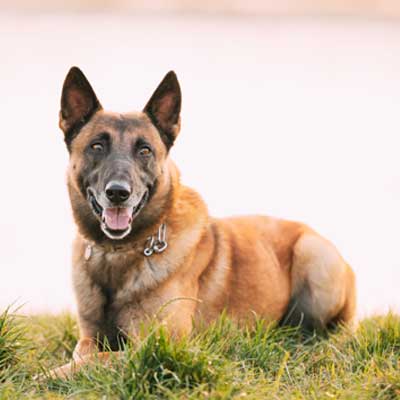
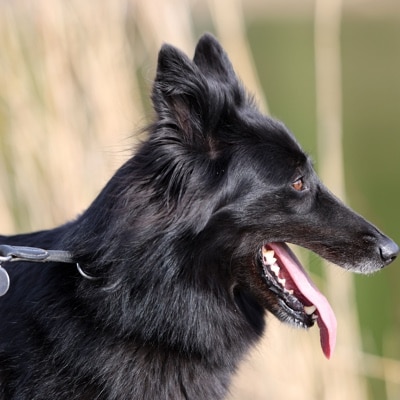
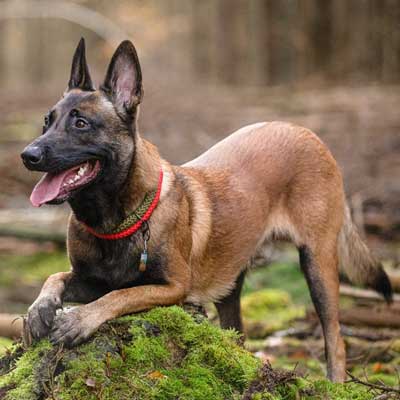
Belgian sheepdogs have a powerful, athletic outline. Their gait is smooth, balanced and easily covers ground. Their bright, almond-shaped eyes lock onto their handler with impressive, intelligent focus, waiting for the next cue. Their double coats are jet-black and feel slightly harsh when stroked. The breed carries their head and fur-collared neck high, and they carry their feathered hind end and bushy tail low. For all intents and purposes, this breed is as "bright-eyed and bushy-tailed" as can be and is ready to work from sunup to sundown.

Physical TraitTrait Details
Breed sizeMedium to Large
CoatLong, straight double coat, feathering on legs and breeches, smooth head
ColorsBlack
Tail and EarsBushy tail carried low at rest; ears erect and triangular
Height24 to 26 inches (males are usually taller than females)
Weight55 to 75 pounds (males are usually heavier than females)
Life Expectancy12 to 14 years

Belgian Sheepdog Temperament and Personality Traits

Belgian sheepdogs are alert, loyal and incredibly attuned dogs who thrive with daily engagement and activity with the people they love. Around children, many are gentle, patient and protective when the kids are respectful and the dog is well-socialized and has been given clear boundaries. Strangers are often met with polite caution until proper introductions occur. 

Belgian sheepdogs can get along well with other dogs, though their herding instincts can pop up in the form of nudging or trying to reorganize playgroups. Some Belgian sheepdogs can coexist peacefully with cats, especially if they are raised together, but success varies by individual drive. 

Their prey drive is moderate to high. Smaller pets, pocket pets and birds often spark predatory interest, so caution is recommended. 

Aggressive tendencies are generally low in well-bred, well-socialized dogs, but sheepdogs are naturally alert and protective. Without proper socialization, training and outlets for energy and mental stimulation, they may become suspicious, reactive or overly vocal about any perceived threat. Their mischief level sits solidly in the “clever enough to get into trouble” category. If understimulated, they will explore, steal items that smell interesting and outthink inattentive humans. Keep them engaged and exercised and they will most likely leave your stuff alone. Maybe.

Personality and Temperament Trait Scale

Traits are on a scale of 1 to 5, with 1 being the least and 5 being the most.

Physical TraitTrait Details
Energy Level5 - Very High Energy
Prey Drive4 - High Drive
Drooling1 - Minimal Drooling
Shedding4 - High Shedding
Coat Maintenance4 - High Maintenance
Barking3 - Moderately Vocal
Social Tendencies3 - Balanced
Trainability5 - Exceptionally Trainable

Note: These rankings describe general tendencies. Dogs, like people, are individuals and their behavior and personality can vary based on genetics, environment, health, and training.

Lifestyle Compatibility

Before adopting any breed of dog, it's a good idea to speak to a veterinarian to determine if their health and care needs fit with your household, budget and lifestyle. Understanding common veterinary needs can also help you decide if they are a good fit for your home.

Best for: Active homes, working homes, canine sport enthusiasts and people who enjoy training, people experienced with the breed.

Good with: Older children and well-matched dogs. Always monitor children around dogs.

Less suitable for: Low-activity households or situations without regular structure and mental enrichment, first-time pet parents who are not familiar with the needs and temperament of a Belgian sheepdog, or families with young children.

Exercise Needs and Appropriate Activities

Belgian shepherds need daily exercise — 60 minutes, or more if you are able. They excel in structured activities such as obedience, agility, herding trials, tracking, detection and running, and many shine in competitive performance events thanks to their speed, focus and enthusiasm. 

On indoor days, mental enrichment with puzzle toys, trick training and cooperative play supports their well-being. You can also keep them satisfied at home with simple activities like hide-and-seek, short backyard recall games or new tricks. Puppies should avoid high-impact jumping and running until bone growth plates close. They benefit from short, upbeat learning sessions that build confidence without tiring their bodies. 

Training

Training a Belgian sheepdog is both rewarding and essential, and their intelligence makes the process smooth for parents who commit to structure and consistency. These dogs learn at lightning speed, which means they pick up desirable behaviors easily and can just as quickly learn unwanted habits without guidance. They respond best to positive reinforcement, predictable routines and calm confidence from their handler. Harsh methods can erode trust, heighten sensitivity and create unnecessary stress.

Early socialization is especially important for this breed. Belgian sheepdogs tend to be naturally alert and discerning, so once your vet gives the OK, systematic exposure to new environments, people, dogs, sounds, textures and household experiences helps them grow into stable, resilient adults. 

Core cues to train Belgian sheepdog puppies include recall, "stay," loose-leash walking, "go to mat," "off" or "down," "leave it" and structured boundary training around doors, gates and guest interactions. 

Cooperative care is also vital. Starting young with gentle paw handling, ear and mouth checks, brushing and confidence around grooming tools helps prevent resistance and fear later in life that can make veterinary or grooming visits miserable.
Belgian Sheepdog Health and Wellness

Belgian sheepdogs are generally healthy dogs, though certain conditions appear more frequently in this breed compared to other breeds. Early veterinary screening, regular exams, weight control, good nutrition, dental care and appropriate exercise support long-term quality of life. Talk to your veterinarian about the best time to spay or neuter your dog.

Belgian Sheepdog Potential Health Issues

Developmental joint disorders: Hip and elbow dysplasia can occur in large-breed dogs. Support healthy joint development with complete and balanced nutrition formulated for large breed puppies, low-impact exercise for puppies, early veterinary screening and responsible breeding.

Epilepsy: Belgian shepherds have a documented genetic predisposition to idiopathic epilepsy that results in seizures. Treatment is available. Talk to your veterinarian about your dog’s potential risk.3,4

Inherited eye disorders: Progressive retinal atrophy is recognized as a concern in the breed, though no peer-reviewed studies exist. Responsible breeding, early veterinary screening and annual professional eye exams all can help identify carriers and detect issues early.

Grooming Needs

The Belgian sheepdog’s long, dense black double coat benefits from regular care. Most adults need brushing several times a week using a slicker brush and a comb to remove loose undercoat and prevent mats behind the ears, under the elbows and in the pantaloons. They also experience seasonal shedding, and when that undercoat blows, it looks less like healthy shedding and more like a dramatic fur-based weather event. 

During seasonal sheds, using a forced-air dryer outdoors before brushing helps lift out dead undercoat dramatically faster and prevents your home from being declared a floof-filled disaster zone. Brush daily during shedding to manage loose hair. Bathing should be done as needed, and drying the coat thoroughly is important to prevent trapped moisture in the thick undercoat. Nails should be trimmed every two to four weeks, ears checked weekly and teeth brushed daily with a dog-specific toothpaste.

Is a Belgian Sheepdog Your New Furry Friend?

People seeking a devoted, intelligent, active and highly trainable dog may find the Belgian sheepdog an exceptional companion. With structure, training, good nutrition, regular veterinary care, mental enrichment and daily exercise, they become focused, loyal furry friends who bring energy and purpose into everyday life. They are not background dogs, but ride-or-die besties who will happily join every project, adventure and slightly questionable idea you come up with. If you want a dog who keeps pace with your life and reminds you daily that you are capable of greatness, a Belgian sheepdog might just be your perfect match.

Resources For New Pet Parents

Get expert tips for a long and happy life with your new best friend.

New dog guide

Belgian Sheepdog Dog Breed FAQs

Yes. Belgian sheepdogs shed moderately to heavily, with the most dramatic shedding occurring during seasonal coat changes.

Belgian sheepdogs can be excellent with older children when supervision, structure and clear boundaries are in place. Households with small children may not be ideal for this breed.

Most Belgian sheepdogs need at least 60 minutes of physical activity plus daily mental enrichment to stay happy and balanced.

Many Belgian sheepdogs do well with other dogs, but their prey drive means caution is needed around cats and smaller animals.

Belgian sheepdogs can be moderately vocal, especially when excited, working or alerting their family to activity around the home.

References

  1. American Kennel Club. “Belgian Sheepdog.” Last modified 2024. https://www.akc.org/dog-breeds/belgian-sheepdog/.

  2. Belgian Sheepdog Club of America. “Home.” Accessed November 18, 2025. https://bsca.info.

  3. Berendt, Mette, Christina Hedal Gulløv, Stine Louise Krogh Christensen, et al. “Prevalence and Characteristics of Epilepsy in the Belgian Shepherd Variants Groenendael and Tervueren Born in Denmark 1995–2004.” Acta Veterinaria Scandinavica 50, no. 51 (2008). https://doi.org/10.1186/1751-0147-50-51.

  4. Belanger, J. M., T. R. Famula, L.C. Gershony, M. K. Palin, and A. M. Oberbaur. “Genome-Wide Association Analysis of Idiopathic Epilepsy in the Belgian Shepherd.” Canine Medicine and Genetics 7, no. 12 (2020). https://doi.org/10.1186/s40575-020-00091-x.

Dr. Sarah Wooten Dr. Sarah Wooten

Dr. Sarah Wooten graduated from UC Davis School of Veterinary Medicine in 2002. A member of the American Society of Veterinary Journalists, Dr. Wooten divides her professional time between small animal practice in Greeley, Colorado, public speaking on associate issues, leadership, and client communication, and writing. She enjoys camping with her family, skiing, SCUBA, and participating in triathlons.