How to Help Aging Dogs: Supporting the Senior Years
Expert Reviewed
Written By
Reviewed By

Written By
Reviewed By



As your dog ages, joint cartilage can decline. Osteoarthritis and other degenerative joint diseases cause discomfort, decreased mobility and stiff, achy joints. Aches and pains can take a toll on your dog's activity levels and lead to reduced muscle tone, which may further impact your pup's ability to jump, run and play.
So, how to help aging dogs maintain their mobility and muscle strength? Recognizing the signs is the first step. They often develop gradually but may be more noticeable in cold or humid weather.
Signs of osteoarthritis can include:
Reluctance to jump up or down (e.g., from furniture or cars)
Walking up or down stairs more slowly
Joint swelling
Difficulty getting up
Overall decrease in activity level or stamina
Irritability or behavioral changes
If you notice any of these signs or suspect your dog is experiencing joint discomfort, visit your veterinarian. They may recommend several options depending on their assessment, including laser therapy, anti-inflammatory medications, omega-3 supplements, glucosamine supplements, hydrotherapy and acupuncture. Your veterinarian may also recommend therapeutic nutrition as part of their multi-modal management plan to best support your pet.
At home, provide your dog with a plush dog bed to cushion achy joints. Ramps can also help your dog if they can't jump or climb stairs.
As your dog's skin produces less of the natural oils that help keep it supple and moisturized, you may see changes in their skin and coat. Hormonal shifts can also cause skin changes, so keep an eye out for a dull coat, hair loss, thinning skin or signs of skin odor or infection (e.g., redness, inflammation or sores). Regular brushing and bathing can help distribute oils and maintain a healthy coat.
As dogs age and become less active, they may develop overgrown toenails. Overgrown nails can lead to an abnormal stance or gait, discomfort or infection. So, you may need to clip your dog's nails more frequently in their elder years.
Regular dental exams — generally once a year or as your vet recommends — are also critical to maintaining your dog's health in their older years. Dental disease is linked to several health conditions, including diabetes and cardiac, lung and kidney disease.
While it can take time and patience, brushing your dog's teeth at home while their oral health is still strong is one of the best investments you can make in your dog's health. Even with regular brushing, your dog will still need occasional professional dental cleanings under anesthesia to remove tartar buildup. Another effective way to manage your dog's oral health is through quality targeted nutrition formulated for older dogs' needs.
If you notice any changes in your dog's appetite, excess drooling, bleeding from the mouth or strong odor — or if they begin dropping food while eating — schedule a veterinary exam promptly.
Dog senses aren't at their peak during the senior years. At first, hearing and vision changes may be subtle and hard to detect, as dogs will familiarize themselves with their surroundings and adjust to their new normal. If you suspect your dog is losing their sight, your vet can give you guidance. Some vision changes are treatable. If they're gradual changes due to natural aging, avoid changing your home's layout and consider restricting access to stairs.
If your dog is losing their hearing, try communicating with hand signals along with voice commands. You can look for local classes specializing in hand communication or refer to a book or online resource. Contrary to popular belief, old dogs can learn new tricks, and they often enjoy the attention and mental stimulation.


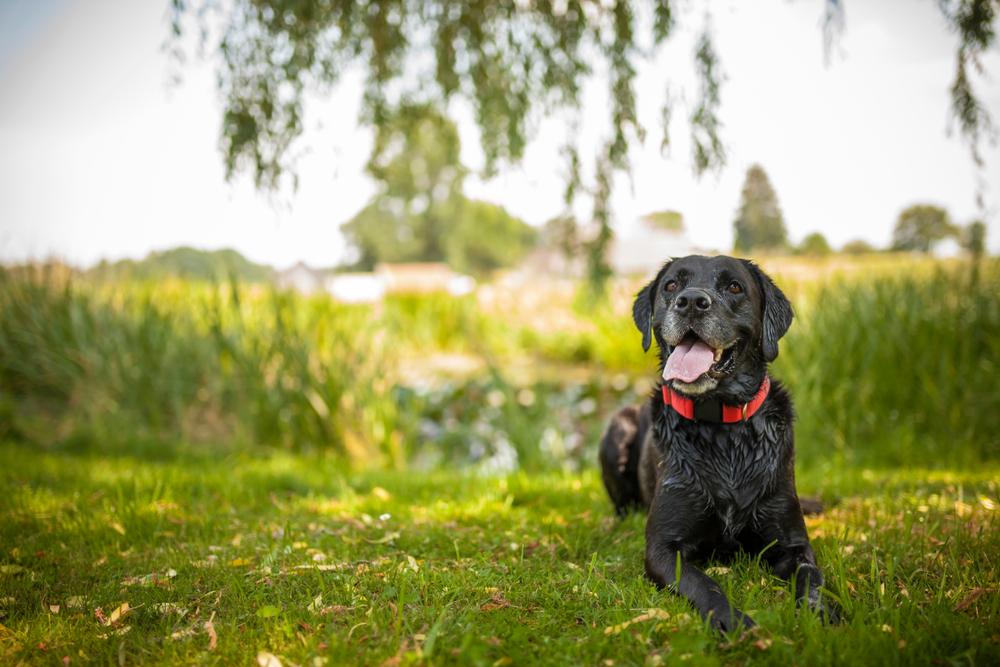
As your dog ages, they may experience incontinence. Sometimes this behavior has an underlying, treatable cause, so consult your vet if you notice increased accidents or your dog signaling for more outdoor bathroom breaks. Otherwise, take your dog out more frequently, revisit potty training or consider pee pads to minimize accidents.
As dogs age, their activity levels drop, leaving them susceptible to weight gain and obesity-related diseases. Specific nutritional requirements may also change as their organ function declines.
Your dog may benefit from a food formulated to support common signs of aging, like achy joints, digestive challenges or compromised skin health. Talk to your vet about finding a nutritionally balanced food appropriate for your senior dog's needs. This may include a reduced-calorie food to prevent excessive weight gain or wet food, which can entice dogs with less appetite due to dulled senses or oral disease.
Your dog's golden years require extra care and attention, especially concerning small but gradual behavioral and physical changes. The most important thing you can do for your dog is take action now to keep them healthy and active at their current life stage. This includes:
Scheduling routine vet visits to help catch any medical conditions early that could become pronounced in old age
Keeping up with infectious disease prevention and routine bloodwork
Adjusting nutrition to help ward off obesity-related illnesses and maintain a healthy body condition
Encouraging regular, low-impact exercise and mental stimulation
Dogs are living longer now than ever thanks to increased access to advanced veterinary care and changing attitudes around pet parent responsibility. Remember that your dog's old age is a gift. And with you keeping a watchful eye on your aging dog's health, it's a good time to be a dog.

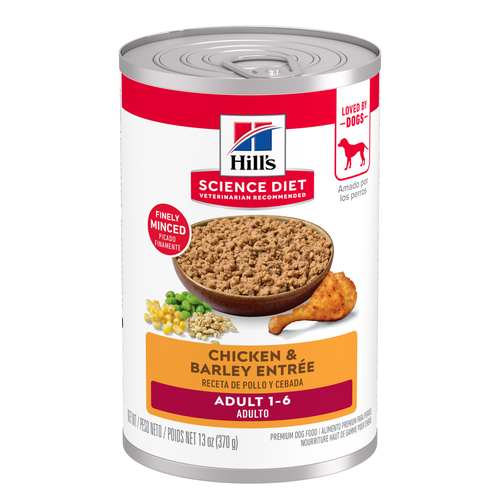
Chicken & Barley Entrée in a delicious loaf with precisely balanced nutrition to keep adult dogs active and healthy
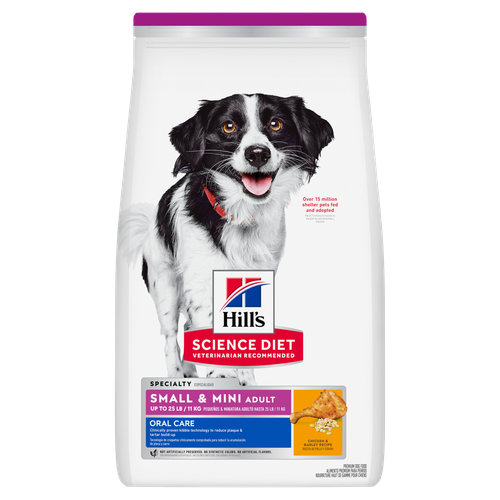
Clinically proven kibble technology to reduce plaque & tartar build-up, specially designed for small & mini dogs
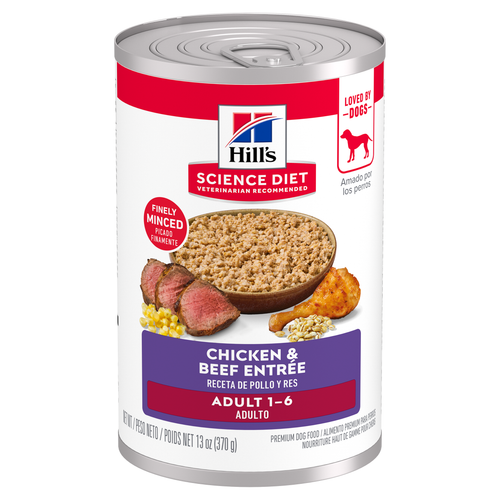
Chicken & Beef Entrée in a delicious loaf with complete & balanced nutrition to help keep adult dogs active and healthy

Supports healthy joints, lean muscle, and beautiful coat for large breed dogs

Understand the role that Omega-6 and Omega-3 fatty acids play in your dog's overall health, and how you can ensure they are getting enough.

Proper nutrition for your pregnant or nursing dog is vital to her and her puppy's health. Learn what you should do provide her with the proper nutrients.

Learn about choosing the right dog food to help ensure your adult dog will receive the correct balance of nutrition.
Learn about Hill's puppy food and the nutritional benefit & high quality ingredients that it contains for your pup.

Our low calorie formula helps you control your dog's weight. It's packed with high-quality protein for building lean muscles, and made with purposeful ingredients for a flavorful, nutritious meal. Clinically proven antioxidants, Vitamin C+E, help promote a healthy immune system.
Our low calorie formula helps you control your dog's weight. It's packed with high-quality protein for building lean muscles, and made with purposeful ingredients for a flavorful, nutritious meal. Clinically proven antioxidants, Vitamin C+E, help promote a healthy immune system.
