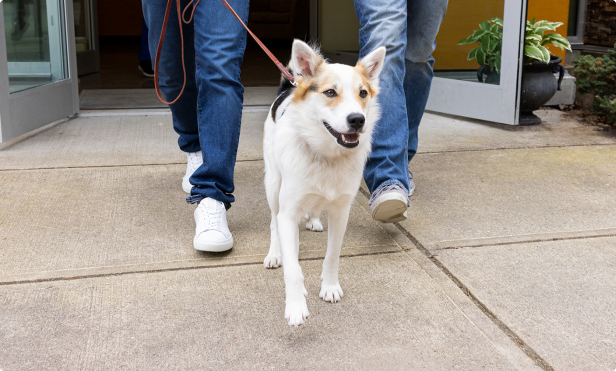
Ibizan Hound Dog Breed Guide

The Ibizan hound is a tall, lean, light-footed sighthound known for its springy gait, deer-like elegance and absolutely enormous ears. They were bred to chase rabbits across the rugged island of Ibiza, but today, they split their time between athletic adventures and couch cuddles. If you've ever wanted a sensitive, sweet dog that can run like the wind and looks like they were commissioned by the ancient Egyptian gods to watch over humanity, the Ibizan hound could be your Anubis.

Best For: Active families, runners, people with fenced yards, homes with time for training and enrichment.

Less Suitable For: Small apartments with little exercise time, environments with free-roaming small animals.

Energy Level

Energy Level

Prey Drive

Prey Drive

Drooling

Drooling

Shedding

Shedding

Barking

Barking

Trainability

Trainability

The Origins of the Ibizan Hound

Historians and geneticists debate the origin of the Ibizan hound, but if you look closely at Egyptian art and hieroglyphs depicting sighthounds and the god Anubis dating back to 3100 B.C., you'll notice an uncanny resemblance to the Ibizan hound.  

The Ibizan hound gained notoriety on the Balearic island of Ibiza off the coast of Spain. Phoenician sailors brought this dog to Ibiza during the eighth and ninth centuries B.C., where they remained for 2,000 years. Food was scarce on the island, so people bred the hounds as rabbit dogs, relying on their speed, agility and intelligence. 

As modern hunting shifted, the Ibizan hound transitioned from a rabbit dog into a rare companion breed. They still hold onto their athletic instincts, though. A Beezer, as fans lovingly call them, enjoys open space, mental puzzles and time with their people.

The Ibizan hound was recognized by the American Kennel Club in 1978, and their official breed standard is maintained by the AKC and the Ibizan Hound Club of the United States, ensuring this unique ancient-meets-modern dog stays true to type.1,2

Breed AttributeAttribute Details
Group/ClassHound Group (AKC), Sighthound & Pariah Dog Group (UKC)
Club RecognitionAmerican Kennel Club, Ibizan Hound Club of the United States
Instincts, Function and PurposeIbizan hounds were bred as hunting dogs specializing in rabbit pursuit. Their work included scenting, flushing and chasing with astounding vertical leaps.
AdaptabilityIbizan hounds do well with pet parents who understand their sensitive nature, need for mental activity and preference for gentle training. They thrive with families who appreciate an athletic, clever companion.
Breed StandardsAKC Official Standard, UKC Official Standard

Nutrition for Ibizan Hounds

Ibizan hounds are athletic, lean dogs who benefit from complete and balanced nutrition that supports muscle maintenance, energy output and overall wellness. Their long limbs and agile frames thrive when they eat food that fuels endurance without promoting excess weight.

Ingredients and Nutrients

A complete and balanced dog food will include protein to support lean muscle and healthy skin and coat. Moderate fat levels help promote healthy energy levels without tipping them into weight gain, which can stress their joints. Omega-3 fatty acids, like EPA and DHA, support skin, eye, joint and brain health. Antioxidants support immune wellness. Minerals, like calcium and phosphorus, are important for bone and joint health.

Life Stage Considerations

Puppies: Ibizan hound puppies grow quickly during their first year. They do best on a complete and balanced large-breed puppy food that supports normal growth and development. Their long legs need slow, steady development to help reduce the risk of orthopedic issues later in life.

Adults: Adult Ibizan hounds benefit from appropriate amounts of food that is no more than 10% treats, and a consistent feeding routine. To support a lean build, feed them appropriate amounts of a high-quality complete and balanced dog food and do regular body condition and muscle condition checks with the help of your vet.

Seniors: To support healthy senior Ibizan hounds, look for a highly digestible formula that supports joint, brain and kidney health. Regular check-ins with your vet can help keep them comfortable.

Weight management and joint support: Like all agile sighthounds, Ibizan hounds rely on joint comfort and muscle strength. Excess weight can place strain on their hips, knees and spine. To promote a healthy weight, measure food with a kitchen scale, keep treats under 10% of their daily calories and ask your vet what weight is ideal for your dog.

Ibizan Hound Dog Breed Characteristics

Ibizan hounds are sensitive, sweet and sometimes hilariously independent. They bring a gentle, observant energy into the home and tend to lean into affection once they trust their people. If you want a dog who seems to float across the ground and also steals a sock just to see what happens, a Beezer fits the bill.

Appearance and Physical Traits

These hounds have a distinctive silhouette with long legs, a narrow frame and a sculpted face topped with their large signature upright ears. Their expressions look alert and almost deer-like. Some say these dogs move like they barely touch the earth, which is a fun visual until they leap straight up like a pogo stick.

Physical TraitTrait Details
Breed SizeMedium to Large
CoatSmooth or wire coat
ColorsRed, white or red and white
Tail and EarsLong, tapered tail; large upright ears
Height22 to 27 inches (males are taller)
Weight45 to 50 pounds (males are heavier)
Life Expectancy11 to 14 years

Ibizan Hound Temperament and Personality Traits

Ibizan hounds carry this irresistible mix of sweetness and mischief, the kind of dog who melts into your arms one minute and investigates your laundry basket the next. They bond strongly with their families, though they often choose a favorite person. They enjoy family life and settle well in homes where routines feel predictable.

Aggression is rare in the Ibizan hound, who appreciates calm, friendly interactions with new people. Shyness can develop, however, if these dogs are not properly socialized as puppies. They're usually patient with children when they're respectful and not overwhelming.

Ibizan hounds usually get along well with other dogs, especially when they've been socialized early and raised together. Their natural play style is light, springy and a little theatrical, which many dogs find fun once they understand the vibe. Ibizans read canine body language well and rarely start conflict, but they can be sensitive souls who shut down around rude or pushy dogs. Smaller pets, such as cats, rabbits, birds or pocket pets, can trigger their prey drive, which is moderate to high. Squirrels are not safe around this breed.

Personality and Temperament Trait Scale

Traits are on a scale of 1 to 5, with 1 being the least and 5 being the most.

Dog TraitTrait Scale Value
Energy Level4 - High Energy
Prey Drive5 - Very High Drive
Drooling1 - Minimal Drooling
Shedding2 - Low Shedding
Coat Maintenance1 - Very Low Maintenance
Barking2 - Quiet
Social Tendencies2 - Slightly Reserved
Trainability2 - Somewhat Difficult

Note: These rankings describe general tendencies. Dogs, like people, are individuals and their behavior and personality can vary based on genetics, environment, health, and training.

Lifestyle Compatibility

Before adopting any breed of dog, it's a good idea to speak to a veterinarian to determine if their health and care needs fit with your household, budget and lifestyle. Understanding common veterinary needs can also help you decide if they are a good fit for your home.

Best for: Active families, runners, people with fenced yards, homes with time for training and enrichment.

Good with: Respectful children, other dogs, calm households. Always monitor children around dogs.

Less suitable for: Small apartments with little exercise time, environments with free-roaming small animals.

Exercise Needs and Appropriate Activities

Ibizan hounds live to move. Short bursts of play followed by relaxed lounging is typical for this breed. They thrive with multiple daily walks, light jogging, off-leash running in safe areas and scent or sight games. They enjoy puzzle toys, hide-and-seek games and opportunities to leap. Organized competitive activities that Ibizans may enjoy include lure coursing, agility, rally, Fast CAT and tracking. Puppies need short play and training sessions that involve low-impact exercise until they're finished growing.

Watching an Ibizan hound jump is almost magical. These dogs can leap five or six feet straight up into the air from a standstill, which is why they need tall, secure fencing. These dogs are talented escape artists. They observe, they plan and they test gates. If you think your fencing is perfect, double-check it from a dog’s perspective. Then, check again.

Training

Ibizan hounds are clever but sensitive dogs. They respond best to gentle, positive reinforcement. Yelling or harsh corrections shut them down fast. Keep training sessions short, and use food or play rewards. Involve all family members in training so the dog learns to listen to everyone. 

Early socialization helps Ibizan puppies develop confidence around new experiences. Provide daily, positive exposure to new people, other friendly dogs (as soon as your vet says okay) and unfamiliar sounds, smells, textures and situations. These early experiences help promote good behavior later on and give your Ibizan the foundation they need to feel comfortable in the world.

Don’t forget to train cooperative care — groomers and veterinary staff will thank you. Teach Beezers early that nail trims, ear checks, tooth brushing and vet visits are safe and predictable. Start small, pair each step with rewards and let them take brief breaks. Ibizan hounds appreciate feeling in control of their bodies, and this type of training helps them relax when they're being handled by strange people.

Ibizan Hound Health and Wellness

Ibizan hounds are generally healthy dogs, but like all breeds, they have potential health issues. Regular veterinary care, good nutrition, weight management and daily exercise go a long way in promoting a healthy lifestyle for your pup.

Potential Health Issues

Endocrine system disorders: Rare endocrine disorders, such as atypical Addison’s disease, have been reported in the breed.3

Eye disorders: Inherited eye diseases, including progressive retinal atrophy, have been identified in Ibizan hounds. A vet can detect problems early, and appropriate genetic testing is recommended for breeding dogs.4

Orthopedic Issues: Orthopedic problems, such as hip dysplasia, can occur in the breed. Responsible breeders screen hips. Your vet may recommend joint monitoring and support as your dog matures.

Grooming Needs

Grooming an Ibizan hound is pretty simple. Their coats need brushing once or twice a week to remove loose hair and redistribute skin oils. These dogs have thin, sensitive skin and extremely short fur over many areas. Be gentle with slicker brushes so grooming stays a pleasant experience. Wire-coated dogs benefit from occasional hand stripping or a tidy trim to maintain coat texture.

Bathe as needed if they are stinky or dirty. Trim toe nails every two to four weeks or as needed, check ears weekly for odor or redness and brush their teeth daily with a dog-specific toothpaste  to support oral health

Is an Ibizan Hound Your New Furry Friend?

If you want a dog who moves like a dancer, thinks like a prankster and looks like they walked straight out of the Great Pyramid of Egypt, the Ibizan hound is ready to join your story. They adore their families and have a gift for turning even simple days into small adventures. Offer them connection, thoughtful routines and space to leap and zoom, and you'll discover a companion who leaves a happy pawprint on your life.

Resources For New Pet Parents

Get expert tips for a long and happy life with your new best friend.

New dog guide

Ibizan Hound Dog Breed FAQs

Yes. Ibizan hounds shed lightly if they have a smooth coat; wire-coated Ibizan hounds shed a bit more throughout the year.

Yes. Ibizan hounds are typically gentle and patient with children when everyone interacts calmly and respectfully.

Ibizan hounds do best with 45 to 60 minutes of daily activity that keeps their minds and bodies engaged. Most Ibizan hounds enjoy a mix of running, walking and play-based mental games.

With thoughtful introductions and early training, many Ibizan hounds learn to coexist well with other dogs and cats.

Ibizan hounds often speak up when they feel energized or alert, though plenty of mature Ibizan hounds settle into a comfortable, middle-of-the-road level of barking..

References

  1. American Kennel Club, “Ibizan Hound Dog Breed Information,” Last modified 2024, https://www.akc.org/dog-breeds/ibizan-hound/.

  2. Ibizan Hound Club of the United States, “About the Breed,” Last modified 2024, https://ihcus.org/.

  3. Tardo, Antonio Maria, Francesca Del Baldo, Rodolfo Oliveira Leal, et al, “Prevalence of Eunatremic, Eukalemic Hypoadrenocorticism in Dogs with Signs of Chronic Gastrointestinal Disease and Risk of Misdiagnosis After Previous Glucocorticoid Administration,” Journal of Veterinary Internal Medicine 38 (2024): 93–101, https://pubmed.ncbi.nlm.nih.gov/38053513/.

  4. Veterinary Genetics Laboratory (UC Davis), “Progressive Rod-Cone Degeneration (PRA-prcd),” Accessed November 13, 2025, https://vgl.ucdavis.edu/test/pra-prcd.

Dr. Sarah Wooten Dr. Sarah Wooten

Dr. Sarah Wooten graduated from UC Davis School of Veterinary Medicine in 2002. A member of the American Society of Veterinary Journalists, Dr. Wooten divides her professional time between small animal practice in Greeley, Colorado, public speaking on associate issues, leadership, and client communication, and writing. She enjoys camping with her family, skiing, SCUBA, and participating in triathlons.