Great Pyrenees Dog Breed Guide

Great Pyrenees are gentle, majestic guardians who adore their families and take protecting them very seriously. Calm indoors, watchful outdoors and wonderfully fluffy, these giant dogs thrive with people willing to engage with them daily and give them space to roam. Expect love, loyalty — and enough white hair to knit yourself a winter wardrobe. But the extra grooming is worth the affectionate, patient new family member you gain in return.

Energy Level

Energy Level

Prey Drive

Prey Drive

Drooling

Drooling

Shedding

Shedding

Coat maintenance / grooming needs

Coat maintenance / grooming needs

Barking

Barking

Social tendencies with people

Social tendencies with people

Trainability

Trainability

The Origins of the Great Pyrenees Dog Breed

This ancient breed descends from large guardian dogs of Asia Minor, with early records tracing back nearly 3,000 years. The name Great Pyrenees comes from the mountain range between France and Spain, where the dogs guarded livestock from predators such as wolves and bears. Today, they remain devoted companions known for their combination of strength, patience and a calm, protective nature.

Group/classWorking Group (AKC), Guardian Dog (UKC)
Club recognitionAmerican Kennel Club, United Kennel Club, Fédération Cynologique Internationale, Canadian Kennel Club
Instincts, function and purposeThe Great Pyrenees were used as guard dogs, protecting livestock from predators. Today, that instinct carries over into their protective nature of their families.
AdaptabilityThese dogs do best in cooler climates with plenty of space to roam and are not well-suited to hot weather or cramped living conditions.
Breed standardsGreat Pyrenees Club of America Official Standard, UKC Official Breed Standard

Nutrition for Great Pyrenees

Feeding a Great Pyrenees for health and longevity is about keeping muscles and bones strong as well as maintaining a normal weight to support joint health. These dogs mature slowly and have moderate energy, therefore they require balanced minerals and controlled calories to support their large frame and prevent unhealthy weight gain.

Ingredients and Nutrients

The right food for a Great Pyrenees nourishes without adding excess calories. Protein provides amino acid building blocks for lean muscle and internal organs. Omega-3 fatty acids (EPA and DHA) from fish oil support joint health, brain health, kidney health and a shiny coat. Antioxidants support immune system health, promote healthy aging, and balanced minerals are critical for bone health.

Life Stage Considerations

No matter how old your dog is, remember that your veterinarian is your best resource for selecting a food that meets their unique needs.

Puppies

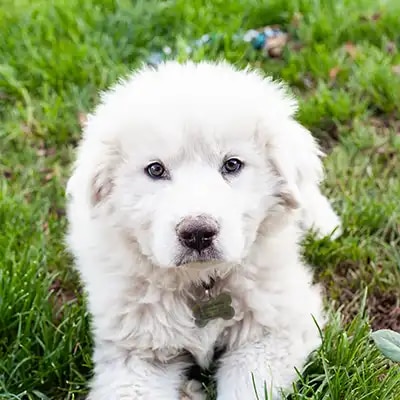
Great Pyrenees puppies can take up to two years to mature into full-grown adults. Until they are at least 18 months old, they need nutrition that supports healthy development and growing joints. A complete and balanced large-breed puppy food will provide the correct calcium and phosphorus ratio, both of which are needed to support healthy bone and joint development.

Adults

Adult Pyrenees would benefit from complete and balanced nutrition that supports joint health and lean muscle, and helps manage their weight.

Seniors

Providing the right nutrition can help a giant breed dog like a Great Pyrenees age gracefully. A complete and balanced food will provide nutrition to support joint health and lean muscle.

Weight or joint support

Unhealthy weight gain results in increased wear and tear on joints, which can be difficult for any dog, but especially for a giant breed. Keep a Great Pyrenees at a healthy weight to promote mobility and healthy aging. If you have a dog who is overweight, your vet can help guide you on portion control and recommend a food that will help support their joints.

To avoid unhealthy weight gain, always measure the amount you feed them on a kitchen gram scale, limit treats to 10% of the total daily calorie count and check your dog’s body condition monthly. Your veterinarian can help you determine a healthy weight for your dog and what food is best.

Great Pyrenees Dog Breed Characteristics

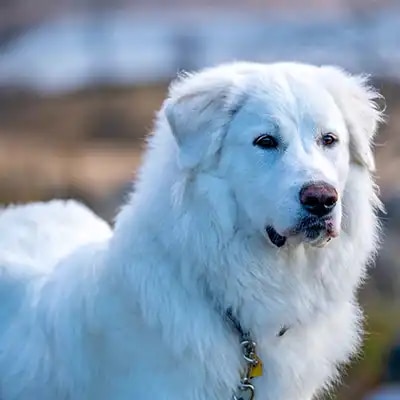
The Great Pyrenees is a calm, confident companion with a presence that’s hard to miss. Wrapped in a thick, white coat  and standing tall with quiet dignity, this breed has a natural air of watchfulness. They’re not overly excitable, preferring to observe before acting, and they tend to form deep bonds with their people. Whether lounging in the yard or keeping an eye on the household, the Great Pyrenees brings a steady, reassuring energy to the home.

Appearance and Physical Traits

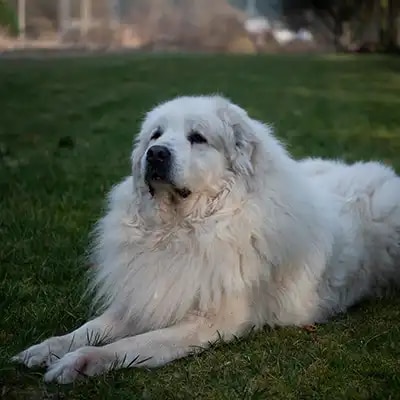
The Great Pyrenees is a showstopper in size and softness. With a thick, weather-resistant coat that’s almost always white (sometimes with hints of gray or tan), they look like they were built for snowy landscapes and cozy cuddles. Their broad chest, strong legs and massive paws give them a powerful silhouette, but their gentle eyes and calm expression tell a softer story. A plumed tail curls over their back when alert, and their slow, steady gait adds to their regal, unhurried charm. They’re the kind of dog that turns heads without even trying.

Breed OverviewBreed Information
Breed SizeGiant
CoatThick double coat with soft undercoat and long, straight outer guard hair1
ColorSolid white or white with patches of gray, tan or reddish brown1
Height25 to 32 inches (males are taller)1
Weight85 to 120 pounds (males are heavier)1
Tail and EarsPlumed tail that curves upward when alert; medium floppy triangular ears
Life Expectancy10 to 12 years

Great Pyrenees Temperament and Personality Traits

The hallmark of a Great Pyrenees is quiet, grounded composure. These dogs are difficult to fluster and prefer to assess the world with thoughtful observation rather than impulsive reactions. Early and consistent socialization encourages a warm, even-tempered canine companion who feels secure in daily life. They bond deeply with their families as a whole, and often view every household member as part of the flock they are responsible for, though they may choose one special person to shadow more closely. 

With strangers, they remain polite but reserved, choosing to watch and think before deciding whether a new person deserves their approval. Because they were bred to guard rather than hunt, their prey drive is typically lower than many other large breeds, which means that with proper socialization and introductions, they can coexist nicely with other pets, big and small. True aggression is not common in the Great Pyrenees dog breed, but if they believe a loved human, companion pet, or livestock is in danger, they will step forward without hesitation and communicate their concerns in a deep, commanding bark. 

A Great Pyrenees thrives best in a calm, predictable household with people who appreciate both their protective instincts and their unexpected silly streaks that can surface when they think no one is looking.

Personality and Temperament Trait Scale:

Traits are on a scale of 1 to 5, with 1 being the least and 5 being the most.

Dog TraitTrait Scale Value
Energy Level2 (Low Energy)
Prey drive2 (Low Drive)
Drooling3 (Moderate Drooling)
Shedding5 (Very High Shedding)
Grooming Needs4 (High Maintenance)
Barking3 (Moderately Vocal)
Social tendencies with people2 (Slightly Reserved)
Trainability2 (Somewhat Difficult)

Note: Remember that, like humans, every dog is an individual. Training, environment, health and socialization all shape a Great Pyrenees' personality.
Lifestyle Compatibility

Best for

Families, people who have room for them to roam, and cooler climates

Good with

Children, other dogs and livestock when properly socialized and raised together

Less suitable for

Apartments, hot and/or humid climates, people seeking a high-energy running partner or people who are gone for long portions of the day

Before adopting any breed of dog, it's a good idea to speak to a veterinarian to determine if their health and care needs fit with your household, budget and lifestyle.

Exercise Needs and Appropriate Activities

Great Pyrenees enjoy walks with their people and time to roam outdoors, typically in moderate to cool climates. Daily strolls and gentle hikes, combined with yard patrols often keep these dogs happy. Mental enrichment, such as hide and seek scent games, tracking, obedience training, agility training, or pulling a cart (drafting) can satisfy their working heritage.

Because Great Pyrenees instincts favor independent decision-making and perimeter duty, it is recommended to practice reliable recall with a long line and only let them loose in areas with secure fencing. Remember that they are bred to be watchdogs, and this instinct can result in undesirable barking or guarding behavior if not addressed early. Redirect their natural watchdog tendencies with structured quiet cues during evening hours when they are most alert. Structured quiet cues are intentional training signals that teach a dog when to stop barking and relax. This can look like:

  • A clear cue word such as “quiet” or “enough”
  • Praising and rewarding calm behavior immediately after the cue
  • Practicing during low-distraction moments
  • Providing an alternate behavior like going to a place or sitting for a reward
  • Staying consistent so the dog learns exactly what is expected

This approach tells the dog you have heard their alert, you are aware of the situation and they can stand down because the job is handled. Over time, structured quiet cues can help a Great Pyrenees distinguish between true threats and everyday noises.

Training

Great Pyrenees dogs are smart but independent, so they can be stubborn during training. They need a strong, consistent leader, and learn best through patience, praise and consistency. Start basic obedience training early in life, keep sessions short and focus on positive reinforcement. It is very helpful to teach a strong recall, polite greetings, calm leashing walking and cooperative behavior for veterinary and grooming visits before they outweigh you. Great Pyrenees respond poorly to force or punishment, as it increases overall stress, which can create conflict and damage your bond.

Great Pyrenees Health and Wellness

Great Pyrenees dogs are generally healthy, but their large size can create health challenges, particularly when they are overweight. Preventive and proactive veterinary care, balanced nutrition and weight management all contribute to long, healthy lives.

Potential Health Issues

Developmental joint disorders

Hip and elbow dysplasia can occur in large-breed dogs. Controlled growth through complete and balanced nutrition and moderate exercise can help support healthy joints.3

Osteosarcoma

Bone cancer appears more frequently in giant breeds. Regular exams help detect problems early.4

Addison’s disease (hypoadrenocorticism)

A few Great Pyrenees genetic lines are predisposed to this hormonal condition. Routine veterinary testing can help with early diagnosis.5

Heat sensitivity

The thick coat of a Great Pyrenees traps warmth, and they do not do well in warm climates. Even in cooler climates, always provide shade and unlimited fresh, clean water.

Matting

The thick, dense coat of a Great Pyrenees can be prone to mats if not routinely brushed. Mats are common, especially under the ears and in the armpits and groin area. 

Grooming Needs

Grooming helps keep a Great Pyrenees clean, healthy and comfortable in their thick double coat. Brushing 2-3 times a week with a slicker brush, and daily during shedding seasons, prevents tangles, controls loose hair and keeps the coat from trapping dirt or debris while they patrol the yard. A quick comb of the feathering behind the ears and along the britches area helps prevent mats, and regular inspection of their unique double rear dewclaws keeps them in good condition as they carry out their guardian duties.

Bathe them as needed if they are stinky or muddy, but be sure to rinse thoroughly since dense fur can hold onto shampoo. Nails should be trimmed every three to four weeks to support joint health, especially because Great Pyrenees carry significant weight on their feet. Check their ears weekly for redness or odor, but do not clean them unless directed by a vet. Brush teeth daily with a dog-specific toothpaste and schedule professional cleanings as advised to maintain good dental health.

Is a Great Pyrenees Your New Furry Friend?

If you have room for a dog to roam and dream of a big, peaceful loyal companion who watches over you and your family, the Great Pyrenees might be a perfect match. Give them space, a meaningful job and people to love, and they will reward you with steadfast devotion that lasts a lifetime.

Resources For New Pet Parents

Adopt a pet. Change a life.

Pet adoption

Get expert tips for a long and happy life with your new best friend.

Dog Guide

Breed FAQs

Yes. The thick coat of a Great Pyrenees sheds year-round and heavily in spring and fall. Brushing daily helps reduce shedding.

When properly socialized as puppies, Great Pyrenees make for wonderful family companions, as they are gentle and protective with children. Always monitor children around dogs.

Great Pyrenees bark to alert if they notice something unusual. It is part of their protective, guardian nature. Consistent training helps set limits.

Great Pyrenees need moderate daily activity. Gentle walks, hiking or agility training keep most happy.

They usually live 10-12 years with good nutrition and proactive veterinary care.

References

  1. Great Pyrenees Club of America, “Great Pyrenees Official Standard - Great Pyrenees Club of America,” Great Pyrenees Club of America, accessed November 18, 2025, https://greatpyrenees.club/great-pyrenees-official-standard/.

  2. Great Pyrenees Club of America, “History of the Great Pyrenees - Great Pyrenees Club of America,” Great Pyrenees Club of America, access November 18, 2025, https://greatpyrenees.club/history-of-the-great-pyrenees/.

  3. Coopman, F., M. Verhoeven, A. Saunders, C. Duchateau, and H. van Bree, “Prevalence of Hip Dysplasia, Elbow Dysplasia and Humeral Head Osteochondrosis in Dog Breeds in Belgium (2002 to 2006),” Veterinary Record 163, no. 21 (2008): 654–658

  4. Tuohy, Joanne L., Marejka H. Shaevitz, Laura D. Garrett, Audrey Ruple, and Laura E. Selmic, “Demographic Characteristics, Site and Phylogenetic Distribution of Dogs with Appendicular Osteosarcoma: 744 Dogs (2000–2015),” PLOS ONE 14 (12): e0223243, 2019, https://doi.org/10.1371/journal.pone.0223243.

  5. Decôme, Magali, and Marie-Claude Blais, “Prevalence and Clinical Features of Hypoadrenocorticism in Great Pyrenees Dogs in a Referred Population: 11 Cases,” Canadian Veterinary Journal 58 (10): 1093–99, 2017, https://pubmed.ncbi.nlm.nih.gov/28966360/.