Dalmatian Dog Breed Guide

The Dalmatian is a dog breed known as a spotted go-getter who can jog by your side in the morning, nap like a pro at noon and be back at it by dinner. These brave dogs were bred to move long distances with horses and think on their feet. Give them routine, exercise, brain games and a comfy spot on the couch, and you’ll have a devoted canine companion who learns fast and lives to be by your side.

Energy Level

Energy Level

Prey drive/chase instinct

Prey drive/chase instinct

Drooling

Drooling

Shedding

Shedding

Coat maintenance / grooming needs

Coat maintenance / grooming needs

Barking

Barking

Social tendencies with people

Social tendencies with people

Trainability

Trainability

The Origins of the Dalmatian

The Dalmatian’s story stretches back through centuries of art, travel and human companionship. Although no one knows exactly where this breed came from, its name comes from Dalmatia, a coastal region along the Adriatic Sea in present-day Croatia, where spotted dogs similar to the modern Dalmatian were recorded in historical paintings and manuscripts. As people and horses moved across Europe, Dalmatians became known as loyal traveling partners, earning the nickname "coach dog." Across the Atlantic, early American firehouses often kept Dalmatians to race ahead of horse-drawn fire wagons and guard valuable equipment once the crews arrived. Their calm, watchful nature and devotion made them beloved mascots, a role they continue to hold in some fire stations today.1

Today’s Dalmatian still carries the same charm and endurance that made the breed famous centuries ago. They are known for their intelligence, stamina and unmistakable coat pattern; each dog’s spotted coat is as unique as a fingerprint. Though their jobs have evolved from coach and carriage work to loyal companion, their spirit remains unchanged: energetic, clever and devoted. Dalmatians were recognized by the American Kennel Club in 1888 as part of the Non-Sporting Group.

Breed InfoBreed Details
Group/classNon-Sporting Group (AKC), Companion Dog Group (United Kennel Club)
Club recognitionAKC recognized the breed in 1888; UKC in 1914.
Instincts, function and purposeThe Dalmatian was bred as a coach dog, progressing into a fire truck assistant and family member.
AdaptabilityWith socialization, supervision and enrichment, the Dalmatian can thrive.
Breed standardsDalmatian Club of America, UKC Official Standard

Nutrition for Dalmatians

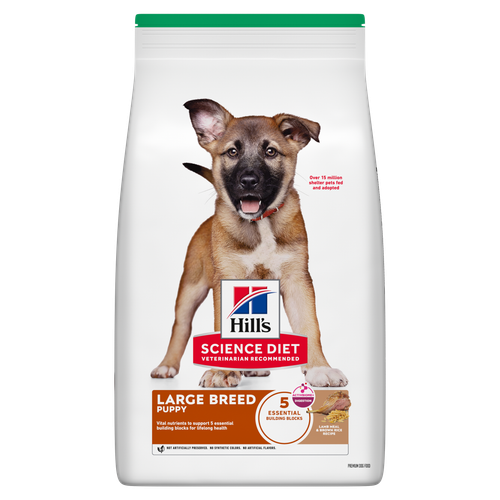
Dalmatians are athletic, medium-sized dogs built for endurance and an active lifestyle. To keep them in peak condition, they benefit from complete and balanced nutrition that helps support their lean muscle mass and overall vitality. While they are generally considered medium-sized, some males can reach up to 70 pounds. In these cases, a large-breed puppy formula is recommended to help support a healthy growth rate and proper skeletal development. Additionally, a precise balance of vitamins and minerals, including antioxidants like vitamins C and E, helps support a healthy immune system throughout their lives.

Ingredients and Nutrients

Selecting a food with high-quality ingredients is key to meeting a Dalmatian's specific nutritional requirements. Look for recipes featuring protein sources like chicken, lamb, or salmon to help maintain lean muscle. To help support a healthy skin and coat — which is especially important for this uniquely patterned breed—look for omega-6 fatty acids from sources such as vegetable oils and chicken fat.

Fish oil provides the omega-3 fatty acids needed to help nourish their brain, joints, and organs, while prebiotic fibers like fructooligosaccharides (FOS) or beet pulp help support healthy digestion. Finally, balanced levels of calcium and phosphorus help support the strong bone structure needed for their active lifestyle, helping ensure your Dalmatian stays ready for every outing.

Life Stage Considerations

Puppies

Dalmatian puppies thrive on food that provides energy from carbohydrates and protein, for muscle growth and development, as well as essential micronutrients, vitamins and minerals. Look for foods that include omega-3 fatty acids (DHA) for brain and eye development.

Adults

Adult Dalmatians need nutrition that maintains lean muscle and supports metabolism and organ function. Choose foods balanced in protein, complex carbohydrates and essential vitamins to maintain activity and overall health. Feed portioned meals to help avoid excess weight gain.

Seniors

Senior Dalmatians benefit from foods that support joint mobility, kidney health and digestive efficiency while controlling calorie intake. Nutrient-dense formulas with antioxidants, omega fatty acids and easy-to-digest proteins promote vitality and comfort in older dogs.

Weight Management and Joint Support

Obesity stresses joints and shortens a dog’s healthy lifespan. Dalmatians that struggle with weight may benefit from eating a therapeutic dog food formulated to support joints and help dogs lose weight and keep it off. Ask your veterinarian about food options for your dog, how to determine a  healthy body condition and daily calorie targets. Keep treats under 10% of total daily calories and measure food with a kitchen gram scale.

Urinary stones

Dalmatians have a genetic defect that can cause painful bladder and kidney stones in some dogs. This condition can be managed by a vet through therapeutic nutrition and proper hydration.2

Dalmatian Dog Breed Characteristics

Dalmatians are famous for their striking spots and bright, athletic energy. Beneath the pattern is a dog built for endurance, capable of trotting for miles without losing steam. They’re alert, quick thinkers with a spark of mischief, loyal enough to follow your lead, but also bold enough to question it if they think their idea is better.

Appearance and Physical Traits

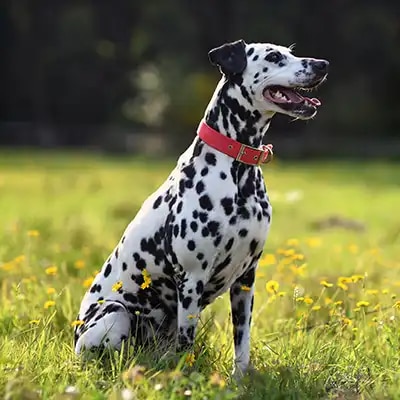
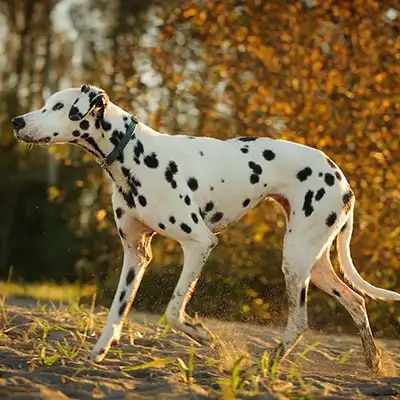
Dalmatians are medium- to large-sized athletic dogs with sleek, spotted coats that make them instantly recognizable. Their lean, muscular build and long, graceful stride reflect their endurance and working heritage. Dark, expressive eyes and high-set ears give them an alert, intelligent look that matches their energetic personality.

Breed OverviewBreed Information
Breed SizeMedium
CoatShort, dense, soft, sleek
ColorsWhite base color with black or liver spots
Tail and EarsTapered tail with a slight upward curve; floppy, triangular ears of moderate size set high
Height19 to 24 inches (males are usually taller than females)
Weight50 to 70 pounds (males are usually heavier than females)
Life Expectancy11 to 13 years

Dalmatian Temperament and Personality Traits

The Dalmatian is a canine athlete powered by polka dots, curiosity and loyalty. They’re playful, affectionate and happiest when they can be part of every daily adventure. A well-raised Dalmatian is confident, bright and eager to please, proud to show off their manners and also happy to curl up beside you after a long walk. Dalmatians bond deeply with their people and will choose to be with you as you move about your home. Their people-first nature makes them devoted family companions and excellent partners for active homes.

Inherited or genetic aggression is not typical for the breed, however, poor socialization, improper handling, fear or anxiety or lack of outlets for energy can lead to defensive, reactive or aggressive behavior. Jumping on visitors is usually a form of excitement, not dominance, and can be solved with training. Some Dalmatians have a moderate prey drive and may chase smaller animals if unsupervised, so early socialization and obedience recall work are important.

Personality and Temperament Trait Scale

Traits are on a scale of 1 to 5, with 1 being the least and 5 being the most.

Dog TraitTrait Scale Value
Energy Level5 (Very High Energy)
Prey drive/chase instinct4 (High Drive)
Drooling1 (Minimal Drooling)
Shedding3 (Moderate Shedding)
Coat maintenance/grooming needs2 (Low Maintenance)
Barking4 (Very Vocal)
Social tendencies with people4 (Outgoing)
Trainability4 (Highly Trainable)

Lifestyle Compatibility

Best for

Active pet parents who enjoy daily walks, hikes or runs and enjoy training.

Good with

Families or singles who commit to socialization, supervision and enrichment; always monitor children around dogs.

Less suitable for

Homes that prefer minimal exercise or have limited time for training, absent households, beginners and homes with small children.

Before adopting any breed of dog, it's a good idea to speak to a veterinarian to determine if their health and care needs fit with your household, budget and lifestyle.


Exercise Needs and Appropriate Activities

Dalmatians are born endurance athletes, bred to trot for miles beside horse-drawn carriages, which means they need a lot of daily exercise and mental work. Adults thrive on 60 minutes or more of daily balanced activity that mixes aerobic movement with brain games (food puzzles, scent games, hide-and-seek). Brisk walks, structured play, agility and trick training all keep them happy and well-mannered. Healthy adult Dalmatians love to run distances and make excellent jogging partners once fully grown. Puppies need shorter, age-appropriate play sessions (no high-impact or distance running) with plenty of rest to protect growing joints.

Training

Dalmatians are independent problem-solvers, which can feel like stubbornness if training isn’t structured and consistent. Start early with socialization and the foundations: name recognition, "sit," "stay," recall, loose-leash walking, polite greetings, "leave it," "wait" and good manners for grooming and vet visits. Use positive reinforcement to build trust and impulse control. Keep sessions short, fun and frequent. Harsh corrections or unpredictable rules can make this sensitive breed shut down or lose focus. Dalmatians are bright and food-motivated, which helps you teach skills and channel their energy.

Dalmatian Health and Wellness

Dalmatians are generally healthy, but there are a few breed-specific conditions to be aware of:

Dalmatian Potential Health Issues

Urinary stones

All purebred Dalmatians carry a recessive mutation that leads to elevated uric acid in urine, which increases the risk for urinary stones in some dogs. Not every Dalmatian forms urinary stones, but discussing hydration, urine monitoring and therapeutic nutrition with your vet is key from the get-go.2

Congenital sensorineural deafness

Dalmatians can be affected by congenital deafness in one or both ears. Responsible breeders use BAER testing to screen hearing in puppies, and population studies show the prevalence has declined with selective breeding. If you are adopting, ask about hearing screening.3

Grooming Needs

Dalmatians have short, sleek coats that seem low-maintenance, but don’t be fooled: They shed fairly heavily year-round. Their fine white hairs love to cling to clothes and furniture, so a lint roller is your friend. Manage shedding by brushing several times a week with a rubber curry or grooming mitt to remove loose hair and redistribute skin oils. During heavy shedding seasons, brushing daily keeps the “Dalmatian glitter” in check.

Bathe as needed with a gentle dog shampoo and rinse thoroughly since their coat can trap soap residue. Check ears weekly for redness or odor and clean only as directed by your vet. Trim nails every three to four weeks or as needed. Brush teeth every day with a dog-specific toothpaste to help reduce bad breath, plaque and tartar buildup.

Is a Dalmatian Your New Furry Friend?

If you want a devoted training partner who keeps you humble and active, a Dalmatian could be your perfect match. They’re clever, loyal and built for motion; basically regard them as a personal trainer covered in polka dots. If your dream weekend involves snacks, streaming and minimal movement, this might not be your breed (and that’s OK).

Resources For New Pet Parents

Adopt a pet. Change a life.

Pet Adoption Resources

Get expert tips for a long and happy life with your new best friend.

New dog guide

Dalmatian Dog Breed FAQs

Many Dalmatians are wonderful family companions when they are well socialized with children and supervised. Teach kids to interact respectfully and give dogs space to rest. Always monitor children around dogs.

No. All Dalmatians carry the hyperuricosuria mutation, yet only some develop stones. Hydration, nutrition plans and veterinary guidance help manage risk.

Yes, as some Dalmatians have genetic hearing loss. BAER testing is recommended.

Dalmatians were bred to trot for miles, so plan on 60+ minutes of daily physical activity plus mental work.

Dalmatians can have black or liver spots on white per the UKC standard.

References

  1. American Kennel Club. “Dalmatian Breed Standard.” Accessed October 22, 2025. https://images.akc.org/pdf/breeds/standards/Dalmatian.pdf.

  2. Bannasch, Danika, Noa Safra, Amy Young, Nili Karmi, R. S. Schaible, and G. V. Ling. “Mutations in the SLC2A9 Gene Cause Hyperuricosuria and Hyperuricemia in the Dog.” PLoS Genetics 4, No. 11 (2008): e1000246. https://doi.org/10.1371/journal.pgen.1000246.

  3. Lewis, Tom, Julia Freeman, and Luisa De Risio. “Decline in Prevalence of Congenital Sensorineural Deafness in Dalmatian Dogs in the United Kingdom.” Journal of Veterinary Internal Medicine 34, No. 4: 1524–1531. https://doi.org/10.1111/jvim.15776.