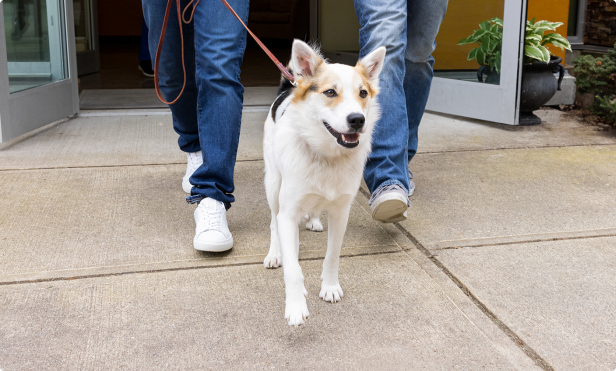
Bernese mountain dogs are large, active companions who require complete and balanced nutrition to maintain lean muscle and joint health. The heavy build of this breed requires joint support and weight management for healthy longevity.

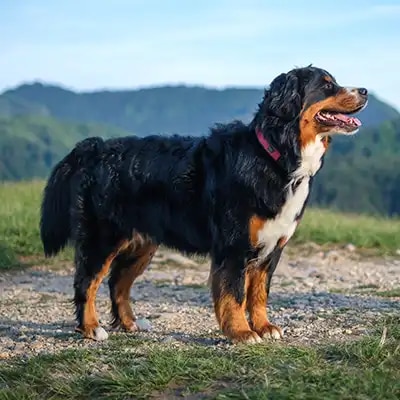
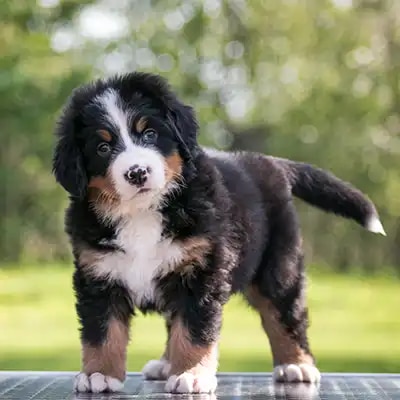
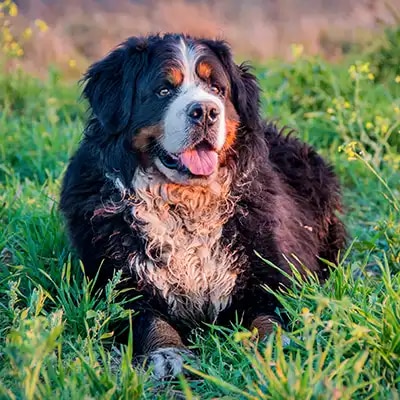
The Bernese mountain dog is a large, big-hearted, gentle breed known for its loyalty and calm, affectionate nature. These dogs were originally bred to work, but now they are beloved family companions that thrive when surrounded by people and given a job to do.

Energy Level

Prey Drive

Drooling

Shedding
Grooming needs

Barking

Social tendencies with people
Trainability
The Bernese mountain dog originated in the Bern canton of the Swiss Alps, where farmers relied on them to pull carts of milk to market, drive cattle, and guard livestock and homes. Their ancestry likely includes mastiff-type dogs that were crossed with strong local farm dogs, creating a versatile working dog with strength, stamina, and a calm, willing nature.
As life in the Alps modernized, the Bernese mountain dog shifted from a farm dog to a canine companion, though the breed still appreciates a meaningful job. Best suited to cooler climates, Bernese mountain dogs thrive when they have room to roam and time to spend with their human family. The AKC breed standard preserves the breed conformation.
| Breed Info | Breed Details |
|---|---|
| Group/class | Working Group (AKC), Guardian Dog Group (UKC) |
| Club recognition | American Kennel Club, United Kennel Club, Fédération Cynologique Internationale |
| Instincts, function and purpose | Bernese mountain dogs were bred as working dogs on farms in the Swiss Alps. They were used to drive cattle, guard livestock, and pull carts. |
| Adaptability | Bernese mountain dogs do best with families or individuals who can provide a calm home, steady training, and daily outdoor time. |
| Breed standards | Bernese Mountain Dog Club of America, Inc. Breed Standard, UKC Official Breed Standard |
Bernese mountain dogs are large, active companions who require complete and balanced nutrition to maintain lean muscle and joint health. The heavy build of this breed requires joint support and weight management for healthy longevity.
Giving your Bernese Mountain Dog the nutrition they deserve means choosing a diet that balances high-quality ingredients with specific health goals. Maintaining lean muscle is key for this large breed, so look for recipes featuring protein like salmon, lamb or chicken. You can support their skin health and signature coat with omega-6 fatty acids from chicken fat and vegetable oils, while fish oil provides the omega-3s needed for healthy joints, kidneys and brain function. Ingredients like fructooligosaccharides (FOS) and beet pulp offer prebiotic fiber to help keep their digestion on track. Finally, balanced minerals like calcium and phosphorus support their bones, helping to ensure your Bernese Mountain Dog stays happy and healthy by your side.
Browse Our Products
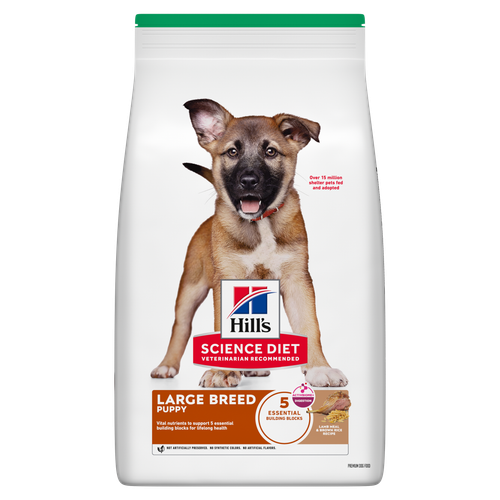


Bernese puppies mature slowly and benefit greatly from eating a large-breed puppy food, which helps support healthy joints and bone development.
Adult Bernese mountain dogs benefit from a consistent feeding routine that maintains a healthy weight, energy and lean muscle.
Older Bernese can develop joint stiffness and other ailments associated with aging, so feed them a food that is easy to digest and supports mobility and heart health.
Large dogs can have additional strain on their joints as compared to smaller dogs, especially if they gain weight.
To avoid unhealthy weight gain, always measure the amount you feed them on a kitchen gram scale, limit treats to 10% of the total daily calorie count and check your dog’s body condition monthly. Your veterinarian can help you determine a healthy weight for your dog and what food is best.
Berners are the gentle giants of the dog world, with a quiet temperament and sweet personality that fits easily into the lives of families and single pet parents alike. They are loyal companions who thrive on steady routines, aren't too high-energy and do best with structure and purpose.
These large dogs are built for strength, with broad shoulders, sturdy legs and a strong frame that once hauled carts through the Swiss Alps. But despite their size, their gentle eyes and soft expressions reveal a warm heart and easygoing demeanor.
| Breed Overview | Breed Information |
|---|---|
| Breed size | Large |
| Coat | Double coat with a long outer coat and thick undercoat |
| Colors | Tricolor (black, white and rust) |
| Tail and Ears | Plumed tail; medium, triangular ears |
| Height | 23 to 28 inches (males are taller) |
| Weight | 70 to 115 pounds (males are heavier) |
| Life Expectancy | 7 to 10 years² |
Bernese mountain dogs usually bond strongly with the entire family rather than a single favorite person. While they may choose a main snuggle buddy, their loyalty and caretaking instincts are shared widely. They enjoy belonging to a group and feel most content when everyone is together. Their happiest job is to be a constant, comforting presence for the people they love.
Prey drive in Berners tends to be moderate. Some may chase a running squirrel or cat, but their instincts don't typically include high pursuit. With that said, supervised introductions to smaller pets are still a good idea, especially while the dog is young and learning boundaries.
With early socialization and guidance, Berners can grow into gentle adult dogs that bring a calm, relaxed presence to the home. Although friendly by nature, some Berners may show shyness around unfamiliar people if they do not gain confidence through early positive experiences. They are happiest when they can stay close to their family rather than spending long hours alone, and they are typically patient with children and enjoy being part of all family activities.
Personality and Temperament Trait Scale
Traits are on a scale of 1 to 5, with 1 being the least and 5 being the most.
| Dog Trait | Trait Scale Value |
|---|---|
| Energy Level | 3 (Moderate Energy) |
| Prey Drive | 3 (Moderate Drive) |
| Drooling | 3 (Moderate Drooling) |
| Shedding | 4 (High Shedding) |
| Grooming needs | 4 (High Maintenance) |
| Barking | 2 (Quiet) |
| Social tendencies with people | 5 (Extremely Social) |
| Trainability | 3 (Moderately Trainable) |
Cooler climates, families with large yards or room to run, people who love adventure and the outdoors.
Children, active people, other pets. Always monitor children around dogs.
Apartments, hot climates, being left alone for long periods of time.
Before adopting any breed of dog, it's a good idea to speak to a veterinarian to determine if their health and care needs fit with your household, budget, and lifestyle.
Bernese mountain dogs love outdoor adventures and time with their people. They do best with moderate, consistent activity every day rather than long, intense weekend-warrior bursts. One to two daily walks or hikes paired with light play or enrichment can keep them conditioned and happy.
Food-puzzle toys and hide-and-seek scent-work with favorite treats provide mental enrichment when the weather or schedule keeps you indoors. Many Berners also enjoy cart pulling, backpacking on hikes, or carrying small items around the house, which taps into their working heritage. Rotate activities to keep them mentally engaged and guessing what comes next. Most importantly, include them: Berners prefer activities with their humans vs. being turned out in the yard alone.
Bernese mountain dogs are naturally eager to please and learn quickly when they understand what is expected of them. They respond best to calm, consistent training that uses positive reinforcement with praise, treats or play rewards for good choices. They are sensitive, so harsh corrections or loud voices can shut them down.
Early training and social experiences help build confidence, encourage polite behavior around new people and animals, and prevent pushy habits from developing as they grow into their large adult size. Keep sessions short, varied and positive, since Berners can lose enthusiasm if drills are monotonous or drag on. Include all family members (including children) in training to reinforce that the dog listens to everyone. When your guidance is kind and consistent, a Bernese mountain dog learns quickly and takes pride in being a capable and well-mannered family companion.
The Bernese mountain dog is a generally sturdy breed, however, their large body size can make them prone to certain health challenges. In addition, some genetic lines are known to be at higher risk for certain cancers. Good nutrition, daily moderate exercise and preventive veterinary care all make a big difference.
Hip dysplasia, elbow dysplasia and other developmental joint disorders are seen in large-breed dogs. Controlled growth through nutrition and weight management may help reduce the risk. support healthy joints. Talk to your vet about spay/neuter timing to encourage healthy skeletal growth.3
Some Berners are prone to certain cancers. Early detection is key.4,5,6
This is a progressive spinal disease that affects some older dogs; genetic testing helps identify dogs that carry this disease.7
Berners overheat easily due to their dense double fur coat. Keep them cool and hydrated in warm weather.
Bernese mountain dogs have a thick double coat that benefits from brushing two to three times per week, and daily during heavy seasonal shedding to keep loose hair under control. Pay extra attention to keeping the coat free of mats and debris, especially behind the ears and around the fluffy hindquarters. They can be bathed as needed when they get dirty, using a gentle dog shampoo.
Nails should also be trimmed every three to four weeks or as needed. Check ears weekly for excess debris, redness or odor, and clean only with a veterinarian-approved ear cleanser if recommended by your vet. Teeth brushing daily with a dog-specific toothpaste helps reduce plaque and keeps breath fresh, along with professional cleanings as recommended by your veterinarian.
If you desire a loving, loyal, gentle dog who thrives on an active lifestyle and a close relationship with you (and you don't mind the hair!), the Bernese mountain dog may be a perfect fit. These dogs are wonderful with families and happiest in cool weather with plenty of space to move. Provide the right care and environment, and you'll have a faithful friend for life.
Yes, Berners shed year-round, and heavily during spring and fall. Regular brushing is a must.
When Berners are well socialized, they are famously patient and gentle, making them excellent family dogs.
Berners need moderate daily exercise: walks and hikes generally keep them content.
Berners aren’t really known for drooling, however, some drool lightly, especially after drinking.
Typically, Berners live 7 to 10 years, though with responsible care, some can live longer.
Bernese Mountain Dog Club of America, Inc., “Breed Standard | Bernese Mountain Dog Club of America (BMDCA) a network for Regional Clubs and Owners,” Bernese Mountain Dog Club of America, Inc., accessed November 17, 2024, https://www.bmdca.org/breed-standard
American Kennel Club, “Bernese Mountain Dog Dog Breed Information,” American Kennel Club, accessed November 17, 2024, https://www.akc.org/dog-breeds/bernese-mountain-dog/
Orthopedic Foundation for Animals, https://ofa.org/diseases/
Tamlin, Vanessa S., Cynthia D. K. Bottema, Lucy Woolford, Anne E. Peaston, et al, “Canine Mast Cell Tumours Part I: Clinical and Survival Outcomes," Veterinary Medicine and Science 8, no. 5 (September): 1411–1423, 2022, https://pmc.ncbi.nlm.nih.gov/articles/PMC9297790/
Engleberg, A. I., Y. T. Yang, P. Z. Schall, M. Takada, T. Thaiwong-Nebelung, J. M. Evans, E. A. Ostrander, and V. Yuzbasiyan-Gurkan, “Transcriptome Analysis of Canine Histiocytic Sarcoma Tumors and Cell Lines Reveals Multiple Targets for Therapy,” Cancers 17, no. 6 (March 12): 954, 2025, https://pubmed.ncbi.nlm.nih.gov/40149290/. PubMed+1
Kliczkowska-Klarowicz, K., B. Stobiecki, K. B. Tomczak, A. B. Olszewski, A. Majewska, J. Zawadzki, M. P. Stepien, et al, “Demographic and Clinical Characteristics of Dogs with Lymphoma,” Journal of Veterinary Research 65, 2021, https://pmc.ncbi.nlm.nih.gov/articles/PMC7896917/
Awano, Takashi, Gary S. Johnson, James D. Wade, Dennis O. Katz, John R. Hamilton, and Joan R. Shelton, “Degenerative Myelopathy in a Bernese Mountain Dog with a Novel SOD1 Missense Mutation,” Journal of Veterinary Internal Medicine 25, no. 2 (March–April 2011): 405–406, 2011, https://pubmed.ncbi.nlm.nih.gov/21848967/

View Related Breeds