
Kidney health for cats
Kidney health for cats
What is kidney disease in cats?
Chronic kidney disease (CKD) is defined as any abnormality of one or both kidneys that has been present for several months. It is a common condition, affecting about 1 of every 3 cats.1
Your cat’s kidneys play a vital role in removing metabolic wastes from the bloodstream, regulating fluid and electrolyte balance, producing or activating important hormones and helping control blood pressure. If your cat’s kidneys cannot do their job properly, CKD can eventually lead to life-threatening problems.
Signs to watch out for
The signs of early-stage kidney disease are not always visible. On diagnosis, CKD has already been present for some time but may be managed with the help of vet-recommended cat food for kidney disease. Signs of late-stage kidney disease tend to be similar but are far more noticeable to pet parents.


What causes kidney disease in cats?
The cause of CKD in cats often is unknown; however, several factors may be involved that could increase your cat’s risk of developing kidney disease:
The chance of developing kidney disease greatly increases as cats get older (over 10-15 years of age).
Foods that are high in phosphorus can accelerate the progression of CKD in cats.
The risk for CKD may be higher in certain breeds of cats (e.g, Persians).
Other illnesses and health issues can contribute to the worsening of CKD in cats.
Any conditions that lead to dehydration (eg, vomiting, diarrhea, shock) can worsen kidney function and contribute to CKD progression.
What can you do?
Catching CKD before signs become obvious is important since signs do not typically appear until 75% of kidney function has been lost. At 7 years and older, a cat’s kidney disease risk increases, so be sure to get a “senior screening” during their annual check-up. CKD is progressive and irreversible, but your veterinarian can help provide long-term care and show you how to track signs in older cats.
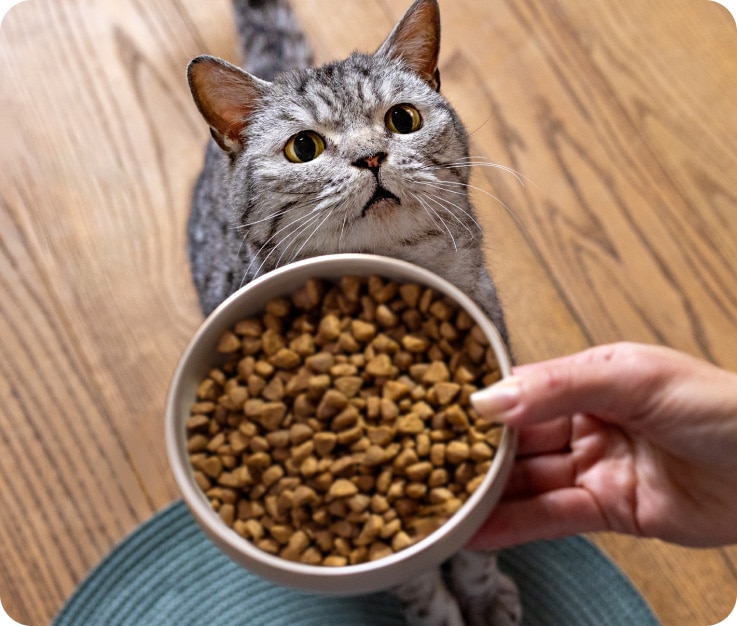
Nutrition for cats with kidney disease
If your cat has kidney disease, the nutrition formulated for them can help make an impact on their lives. Specially formulated therapeutic foods that contain decreased amounts of phosphorus and highly digestible protein, and increased omega-3 fatty acids from fish oil have been shown to support quality and length of life in cats with CKD compared to feeding a non-therapeutic food.
Your cat’s appetite may vary over time when they have CKD and offering different forms (dry, stews) and flavors of an appropriate food recommended by your veterinary healthcare team can be very helpful. The single most important thing you can do is make any changes to a new food gradually because some cats need several weeks or longer to get used to a new food.
Nutrition for cats with kidney disease
If your cat has kidney disease, the nutrition formulated for them can help make an impact on their lives. Specially formulated therapeutic foods that contain decreased amounts of phosphorus and highly digestible protein, and increased omega-3 fatty acids from fish oil have been shown to support quality and length of life in cats with CKD compared to feeding a non-therapeutic food.
Your cat’s appetite may vary over time when they have CKD and offering different forms (dry, stews) and flavors of an appropriate food recommended by your veterinary healthcare team can be very helpful. The single most important thing you can do is make any changes to a new food gradually because some cats need several weeks or longer to get used to a new food.

Ask your veterinarian how nutrition can help
Schedule an appointment for your pet and see how a therapeutic pet food can help your pet feel better.
Ask your veterinarian how nutrition can help
Schedule an appointment for your pet and see how a therapeutic pet food can help your pet feel better.
Related products

Hypo Cat Treats
Treats for cats with food sensitivities, related skin conditions and sensitive stomachs

Metabolic Cat Treats
Metabolic Treats to help support healthy weight loss and weight maintenance, and are a great complement for cats being fed other Prescription Diet weight loss or maintenance feline food.

m/d GlucoSupport Wet Cat Food
Clinical nutrition formulated to help cats lose weight and manage blood sugar
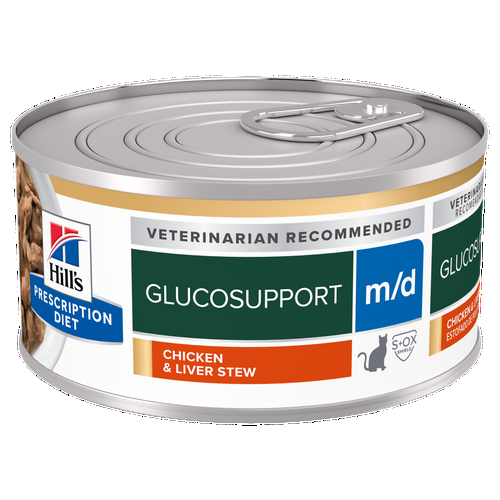
m/d GlucoSupport Wet Cat Food
Clinical nutrition formulated to help cats lose weight and help manage blood sugar
Related Articles
Signs of Dehydration in Cats and What to Do
Learn why feline hydration matters, the signs of dehydration in cats (including two tests you can try at home) and how to support healthy hydration habits.
Why Is My Cat Vomiting Blood?
If your cat's vomiting blood, you're naturally concerned. Here's what you should know about a cat throwing up blood, including possible causes.
Understanding Cat Inflammatory Bowel Disease
Discover everything you should know about cat inflammatory bowel disease, including signs, causes and what to expect from your veterinarian.
Understanding Leaky Gut Syndrome in Cats: Causes, Signs and Treatment
Learn all about leaky gut syndrome in cats, including what this umbrella term means & how it affects cats. Know more about how vets diagnose and manage it.
References:
1Lulich JP, Osborne CA, O’Brien TD, Polzin DJ. Feline renal failure: questions, answers, questions. Compend Contin Educ Pract Vet. 1992;14(2):127–153. Brown SA. Renal dysfunction in small animals. The Merck Veterinary Manual website.