Siberian Husky Dog Breed Guide

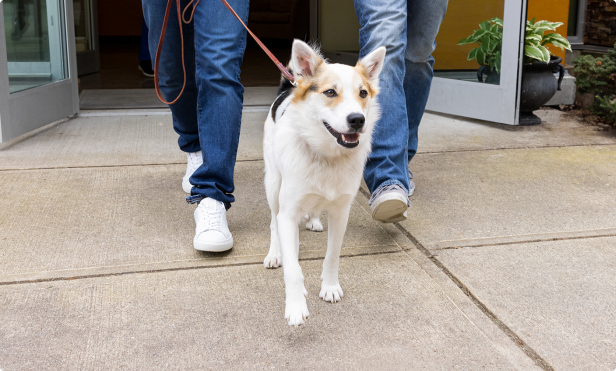
If you dream of canine adventures and don’t mind a little fur on everything you own, the Siberian husky might be your match. These athletic dogs were bred to pull sleds for miles and still have energy left to play. Huskies are smart, independent and mischievous if they aren’t kept busy. Give them plenty of exercise, attention and enrichment, and you’ll have a loyal companion who makes every day feel like winter fun.

Energy Level

Energy Level

Prey Drive

Prey Drive

Drooling

Drooling

Shedding

Shedding

Coat maintenance / grooming needs

Coat maintenance / grooming needs

Barking

Barking

Social tendencies with people

Social tendencies with people

Trainability

Trainability

The Origins of the Siberian Husky

The Siberian husky dog breed goes back thousands of years, when indigenous people of northeastern Asia bred dogs to pull sleds across vast stretches of frozen land. Ancestors of the Siberian husky pulled and carried loads over long distances, helped people hunt and kept their humans warm during frigid Arctic nights. When the breed was introduced to Alaska for sled dog racing in the early 1900s, their speed, stamina and teamwork quickly drew attention. In 1925, Siberian huskies became famous during the Great Race of Mercy, when sled dog teams delivered life-saving medicine across hundreds of miles of ice and snow. Their courage and endurance captured hearts around the world, solidifying their reputation as one of the most beloved, resilient working breeds.1

Today’s Siberian husky still embodies the same athleticism and friendly spirit that made the breed famous. Today, these dogs excel in pulling sleds, running and providing companionship. Modern Siberian huskies thrive in active homes that can meet their high physical and social needs, while their adaptability can suit them in an affectionate family. They were recognized by the American Kennel Club in 1930 as part of the Working Group.1

Breed InfoBreed Details
Group/classWorking Group (AKC), Guardian Dog Group (UKC)
Club recognitionAKC in 1930, UKC in 1938 as the Arctic husky
Instincts, function and purposeSiberian huskies excel as sled dogs and affectionate family members.
Breed standardsSiberian Husky Club of America, UKC Official Standard

Nutrition for Siberian Huskies

Siberian huskies are medium-sized endurance athletes built for efficiency and stamina. They benefit from complete and balanced nutrition tailored to their specific requirements. Because they often have moderate appetites and active metabolisms, finding the right energy balance is important to fuel their activity and help maintain an ideal body condition. For Siberian husky puppies, a balanced formula helps support a healthy growth rate for their developing bones and joints, while adults benefit from nutrition that supports their athletic structure. Additionally, a precise balance of vitamins and minerals, including antioxidants like vitamins C and E, helps support a healthy immune system throughout their lives.

Ingredients and Nutrients

Selecting a food with high-quality ingredients is key to meeting a Siberian husky’s nutritional needs. Look for recipes featuring protein sources — like chicken, lamb, or salmon — to help maintain lean muscle. To help support a healthy skin and their thick, resilient coat, look for omega-6 fatty acids from sources such as vegetable oils and chicken fat.

Fish oil provides the omega-3 fatty acids needed to help nourish their brain, joints, and organs, while prebiotic fibers like fructooligosaccharides (FOS) or beet pulp help support healthy digestion. Finally, balanced levels of calcium and phosphorus help support the strong bone structure needed for their active lifestyle, helping ensure your husky stays ready for every adventure.


Life Stage Considerations

Puppies

Puppies: Siberian husky puppies benefit from eating a complete and balanced puppy food that supports healthy skeletal growth. Look for DHA to support brain and eye development.

Adults

Adult Siberian huskies thrive on a maintenance formula that supports lean muscle, energy and immune health. Their metabolism often adjusts naturally to activity, so routine body condition checks are essential to avoid unhealthy weight gain.

Seniors

Older Siberian huskies benefit from highly digestible foods with antioxidants and controlled calories to promote healthy aging and a lean body condition. Regular veterinary checkups help track muscle mass, dental health and digestive comfort. Older Siberian huskies who struggle with weight gain may benefit from eating a weight-management formula.

Overall support

Healthy weight and hydration are vital for overall wellness for Siberian huskies. Provide constant access to clean water, measure meals with a gram scale to provide the correct amount of daily calories, and keep treats under 10% of total daily calories. Work with your veterinarian to review nutrition annually, especially if your Siberian husky’s activity level changes. Ask your veterinarian if your dog could benefit from a therapeutic weight or mobility formula.

Siberian Husky Dog Breed Characteristics

Siberian huskies are energetic and efficient working dogs who are loyal to their pet parents and families. Their fun-loving spirit and active personality make adventurous companions.

Appearance and Physical Traits

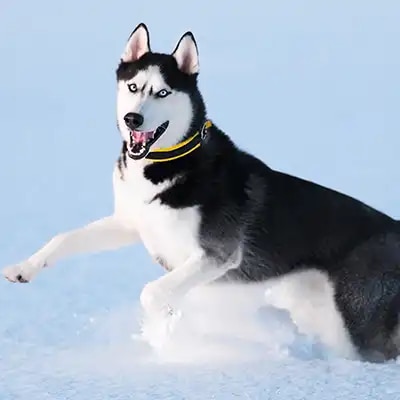
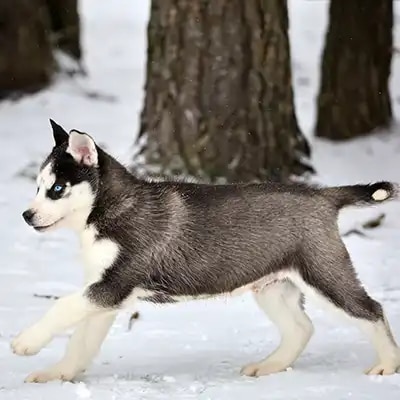
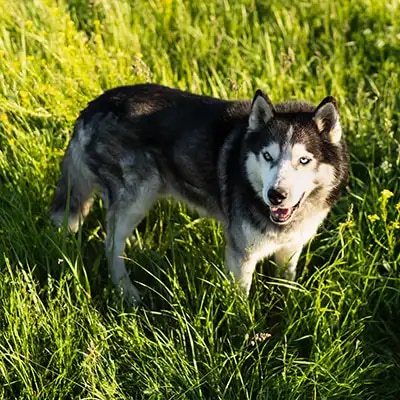
The Siberian husky is a medium-sized working dog bred for strength and endurance. Their dense double coat, composed of a soft insulating undercoat and a straight, weather-resistant outer coat, comes in a wide range of colors and patterns. The breed has erect triangular ears, a plume-like tail carried in a sickle curve and bright, often blue or bicolored eyes that reflect their hardy Arctic heritage.

Breed OverviewBreed Information
Breed SizeMedium
Coat dense double coat, medium length, soft undercoat with straight outer coat
ColorAll colors from black to pure white; common patterns include black-and-white, gray-and-white, red-and-white and agouti-and-white
Tail and EarsWell-furred, plume-like tail carried in a sickle curve; medium-sized triangular ears set high and erect
Height20 to 23.5 inches (males are usually taller than females)
Weight40 to 60 pounds (males are usually heavier than females)
Life Expectancy12 to 14 years

Siberian Husky Temperament and Personality Traits

Siberian huskies are confident, social and full of mischief. They thrive on motion and connection, often acting more like a teammate than a pet, which makes sense, given their sled dog team heritage. Their intelligence is sharp and creative, which means they learn fast, but only if they agree it’s worth their time. Siberian huskies are friendly with most people and usually welcoming to other dogs, especially if they are raised together. They value freedom, and experienced pet parents know that recall training is more of a negotiation than a command.

Most Siberian huskies are emotionally expressive and communicate through body language, subtle whines or not-so-subtle howls or a playful side-eye. They are very good at reading human tones and mood and will mirror your energy. Without enough physical or mental work, however, they will often invent projects, such as remodeling your yard with strategically placed holes or redesigning your shoes with haute couture teeth marks. Daily routine exercise; confident, loving leadership and consistent and clear expectations help channel their drive into adventure instead of escape attempts. For the right person, a Siberian husky isn’t just active; they’re electric, loyal and endlessly entertaining.

Personality and Temperament Scale

Traits are on a scale of 1 to 5, with 1 being the least and 5 being the most.

Dog TraitTrait Scale Value
Energy Level5 (Very High Energy)
Prey drive/chase instinct5 (Very High Drive)
Drooling1 (Minimal Drooling)
Shedding5 (Very High Shedding)
Coat maintenance/grooming needs3 (Moderate Maintenance)
Barking5 (Extremely Vocal)
Social Tendencies (affection toward family vs. strangers)4 (Outgoing)
Trainability2 (Somewhat Difficult)

Lifestyle Compatibility

Best for

Active people who love being outdoors in all seasons and enjoy long hikes, runs or sports that let their dog move freely.

Good with

 Families or singles who spend lots of time with their dog every day and include them in adventures. Siberian huskies bond well with people who value teamwork and humor. Always monitor children around dogs.

Less suitable for

Families with small children, sedentary homes, hot climates, small apartments without secure yards or anyone who prefers a quiet, low-maintenance pet. Siberian huskies can be vocal and independent and need work and social time to be happy.

Before adopting any breed of dog, it's a good idea to speak to a veterinarian to determine if their health and care needs fit with your household, budget and lifestyle.

Exercise Needs and Appropriate Activities

Siberian huskies were bred to pull sleds across frozen landscapes, so they come hardwired for endurance and movement. Most adults need 60 minutes or more of activity each day that mixes aerobic exercise with mental challenges. Long runs, hiking, agility training, canicross and skijoring satisfy their body and mind. When you think they are done, think again—even tired Siberian huskies still have one more lap in them, so the quality of exercise matters more than just time. Variety, consistency and cold-weather play keep this breed healthy, happy and fulfilled.

Training

Siberian huskies are bright, social learners with a streak of independence. They are bred to think and problem-solve on the trail; notably, they test boundaries rather than simply obeying. They respond best to positive, reward-based training with clear, consistent expectations. Training success starts with teaching basic cues, name recognition, recall, leash manners and impulse control, especially around open doors and wildlife. You can even teach this breed to go left with a "gee" and right with a "haw!"

Siberian Husky Health and Wellness

The Siberian husky is generally a healthy, resilient breed, but there are some breed-specific health conditions to be aware of. You can help your Siberian husky stay fit by keeping them at an ideal weight, staying on top of parasite control and working with your veterinarian on routine checkups, vaccinations and breed-specific screening.

Siberian Husky Potential Health Issues

Zinc-responsive dermatosis:

Some Siberian huskies may develop scaly or crusted skin around the mouth, eyes or paw pads if they cannot properly absorb zinc. This inherited condition is managed under veterinary guidance.2

Siberian husky shaking puppy syndrome, Type 1

 Shaking puppy syndrome refers to tremors in Siberian husky puppies that are caused by neurologic disease. Genetic testing is available.3

Urinary stones

A genetic mutation in some Siberian huskies causes them to have increased mineral concentrations in their urine, which can result in bladder or kidney stones. Male dogs are at higher risk than female dogs. Genetic testing is available.4

Siberian husky polyneuropathy

An inherited genetic mutation that causes progressive weakness and instability. Genetic testing is available.5

Eye disorders

Siberian huskies are at risk for several eye disorders, including cataracts, progressive retinal atrophy and glaucoma. Regular eye checkups help reduce risk.6,7,8

Joint disease

Historical papers report Siberian huskies having a higher risk of hip dysplasia than other breeds. Early screening with your veterinarian is a must. Avoid long-distance, high-impact exercise until your dog is at least one year of age. Discuss your dog’s risk as well as the timing of spaying or neutering to encourage healthy skeletal growth and development.

Grooming Needs

Siberian huskies have thick double coats designed to handle extreme cold, but that same coat needs consistent care in modern homes. They shed lightly most of the year and “blow their coat” twice annually, releasing huge amounts of undercoat. During most of the year, they benefit from twice-weekly brushing with a slicker brush. Daily brushing with a deshedding tool is recommended during heavy shed periods to prevent hair drifts that could fill your entire living room. 

Huskies are naturally clean dogs with minimal odor, so bathe only as needed, for example, after a muddy adventure. Always rinse thoroughly to avoid trapping any soap residue in their thick coat.

Check ears weekly for redness, odor or debris and only clean if directed by your veterinarian. Trim nails every three to four weeks or as needed to prevent cracking or overgrowth. Brush teeth every day with a dog-specific toothpaste to maintain fresh breath and healthy gums.

Start grooming habits when they are puppies and keep sessions short and fun. Siberian huskies are clever escape artists, even during bath time, so reward calm behavior and give them choices whenever possible. Cooperative care training builds trust and turns grooming from a struggle into another shared adventure.

Is a Siberian Husky Your New Furry Friend?

If you want a workout buddy who howls along to sirens and thinks snow is the best thing since sliced bread, the Siberian husky could be your soulmate. They are hilarious and built for adventure, which means they might drag you into one whether you planned it or not. Expect daily snow zoomies, opinionated conversations and a liberal sprinkling of dog hair in your coffee. Life with a Siberian husky is not for the tidy or the timid, but if you love big personalities and bigger hearts, you may have just found your pack.

Resources For New Pet Parents

Adopt a pet. Change a life.

Pet Adoption Resources

Get expert tips for a long and happy life with your new best friend.

New dog guide

Siberian Husky Dog Breed FAQs

In general, yes, most Siberian huskies are affectionate, social dogs who enjoy being part of a family. Supervision and early socialization are important, and make sure to teach children to respect the dog’s space.

Many Siberian huskies enjoy the company of other dogs, especially if raised together. Their prey drive can be strong, so introductions with smaller pets should always be slow and supervised.

A Siberian husky thrives on 60 minutes or more of physical and mental activity each day. Long walks, hikes, runs or cold-weather play sessions help burn energy and prevent undesirable behaviors or anxiety.

Yes. A Siberian husky sheds year-round and “blows their coat” twice a year, releasing enough fur to knit another dog. Regular brushing keeps shedding manageable and helps maintain skin and coat health.

While not ideal, a Siberian husky can live in warmer regions if kept indoors with air conditioning and exercised only during cooler hours. They adjust well when cared for properly, but always provide shade, water and plenty of rest during hot weather.

References

  1. American Kennel Club, “Siberian Husky Breed Standard,” last modified May 12, 2021, https://images.akc.org/pdf/breeds/standards/SiberianHusky.pdf.

  2. White, S. D., P. Bourdeau, R. A. W. Rosychuk, B. Cohen, T. Bonenberger, K. V. Fieseler, P. Ihrke, et al, “Zinc-Responsive Dermatosis in Dogs: 41 Cases and Literature Review,” Veterinary Dermatology 12, No. 2 (2001): 101–109, https://doi.org/10.1046/j.1365-3164.2001.00233.x.

  3. University of Minnesota College of Veterinary Medicine, “Siberian Husky Health Panel: Shaking Puppy Syndrome, Type 1,” Accessed October 23, 2025, https://vetmed.umn.edu/research/research-labs/canine-genetics-lab/canine-genetics-testing/siberian-husky-health-panel.

  4. Bannasch, Danika., Noa Safra, Amy Young, Nili Karmi, R. S. Schaible, and G. V. Ling, "Mutations in the SLC2A9 Gene Cause Hyperuricosuria and Hyperuricemia in the Dog," PLoS Genetics 4, No. 11 (2008): e1000246, https://doi.org/10.1371/journal.pgen.1000246.

  5. Jahns, Hanne, Karen M. Vernau, Catherine M. Nolan, Emma J. O’Neill, Robert E. Shie, and G. Diane Shelton, "Polyneuropathy in Young Siberian Huskies Caused by Degenerative and Inflammatory Diseases," Veterinary Pathology 57, No. 5 (2020): 666–674, https://doi.org/10.1177/0300985820934112.

  6. Uhl, Lisa K., Michala D. L. Henriksen, Søren S. Nielsen, Anne J. Gemensky-Metzler, Lionel Sebbag, and Jeffrey M. Todd, “Cataracts and Phacoemulsification in the Siberian Husky: A Retrospective and Multicentric Study (2008–2018),” Veterinary Ophthalmology 24, No. 3 (2021): 252–264, https://doi.org/10.1111/vop.12883

  7. Acland, Gregory M., Susan H. Blanton, Bennett Hershfield, and Gustavo D. Aguirre, “XLPRA: A Canine Retinal Degeneration Inherited as an X-Linked Trait,” American Journal of Medical Genetics 52, No. 1 (1994): 27–33, https://doi.org/10.1002/ajmg.1320520106.

  8. Park, Shin Ae, Dodd Sledge, Colleen F. Monahan, Leandro Teixeira, Ryan Boyd, Katie Freeman, et al, “Atypical Chorioretinal Lesions in Siberian Husky Dogs with Primary Angle-Closure Glaucoma: A Case Series,” BMC Veterinary Research 18 (2022): 182, https://doi.org/10.1186/s12917-022-03259-8.

  9. Martin, S. W., K. Kirby, and P. W. Pennock, “Canine Hip Dysplasia: Breed Effects,” The Canadian Veterinary Journal 21, No. 11 (1980): 293–296, https://pmc.ncbi.nlm.nih.gov/articles/PMC1789813/.

Dr. Sarah Wooten Dr. Sarah Wooten

Dr. Sarah Wooten graduated from UC Davis School of Veterinary Medicine in 2002. A member of the American Society of Veterinary Journalists, Dr. Wooten divides her professional time between small animal practice in Greeley, Colorado, public speaking on associate issues, leadership, and client communication, and writing. She enjoys camping with her family, skiing, SCUBA, and participating in triathlons.