Feed with confidence

How to switch or transition
your pets’ food

Feed with confidence

How to switch or transition
your pets’ food


COMING SOON

As part of our continuous improvement, we reviewed and updated some of the Science Diet Sensitive Stomach & Skin dry and wet formulas to allow us to continue to stay up to date with evolving requirements as well as quality and performance standards. See Transition Tips

Hills SD sensitive stomach and skin bags

Affected products below

SKU

UPC

PRODUCT

8523 8884

8878

4046

052742852300

052742888408

052742887807

052742404608

Hill's Science Diet Feline Adult Sensitive Stomach & Skin Chicken & Rice Recipe

10439  10440

052742007038

052742007045

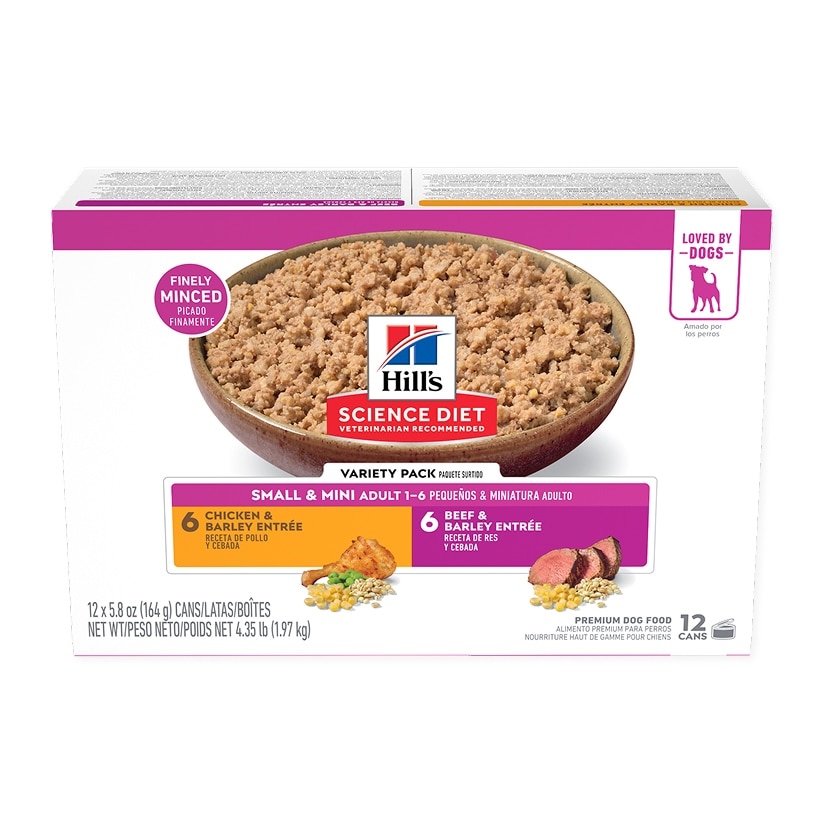
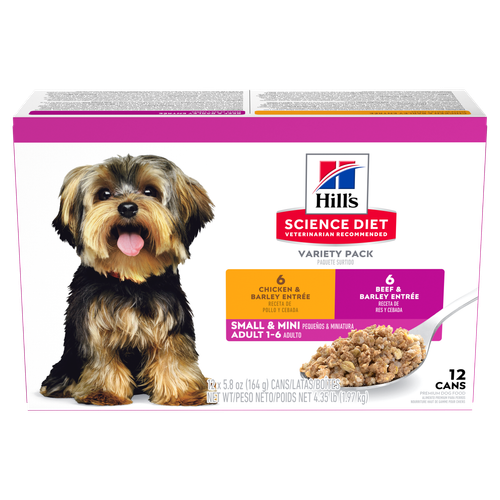
Hill's Science Diet Adult Sensitive Stomach & Skin Small & Mini Chicken Recipe

603928

052742022086

Hill's Science Diet Adult Sensitive Stomach & Skin Grain Free Salmon & Yellow Pea Recipe

603929

052742022109

Hill's Science Diet Adult Sensitive Stomach & Skin Grain Free Chicken & Potato Recipe

607733 607734

052742059150

052742059167

Hill's Science Diet Adult Sensitive Stomach & Skin Pollock Meal and Barley Recipe

603772

052742304090

052742304083


Hill's Science Diet Adult Sensitive Stomach & Skin Chicken & Vegetable Entrée

3045

052742304502

052742304519


Hill's Science Diet Adult Sensitive Stomach & Skin Salmon & Vegetable Entrée

10642

052742010243

052742010236


Hill's Science Diet Adult Sensitive Stomach & Skin Chicken & Vegetable Entrée

10643

052742010267

052742010250

Hill's Science Diet Adult Sensitive Stomach & Skin Tuna & Vegetable Entrée

If you purchase a product not listed above/below, your preferred formula is not undergoing a formula change
How to tell if you received original or new formulas
check icon
On dry products
A new shield will be on front next to protein + bowl on back of dry packs.
check icon
On wet products
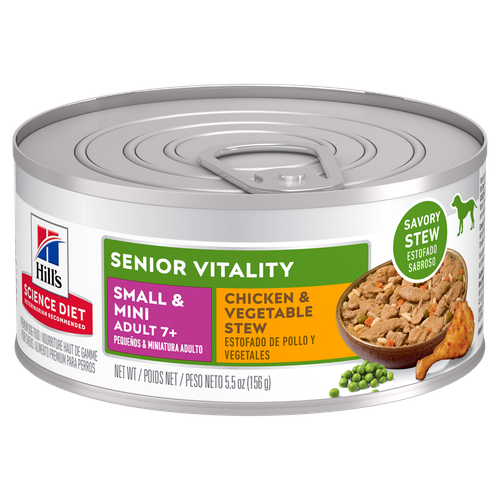
No pet will be on the cans

Transitioning your pet to a new food


There will likely be a time when your pet will need to switch to a new food, whether it’s to a therapeutic nutrition, a new formula or they just need a food that better suits their life stage. Pets should gradually transition to new food to avoid stomach upset. Here are some tips for transitioning your pet to a new food.

Transitioning your pet to a new food


There will likely be a time when your pet will need to switch to a new food, whether it’s to a therapeutic nutrition, a new formula or they just need a food that better suits their life stage. Pets should gradually transition to new food to avoid stomach upset. Here are some tips for transitioning your pet to a new food.

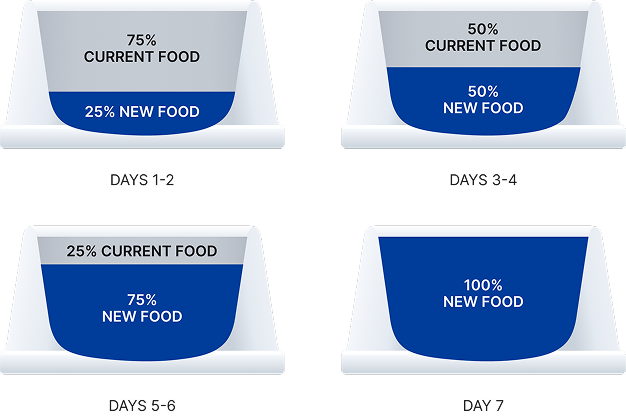
Follow this 7-day transition schedule

Once your portions are correct, gradually decrease the amount of current (old) food while increasing the amount of new food. Be patient — if it seems like your pet needs a little more time, add an extra day or two to the schedule.

Follow this 7-day transition schedule

Once your portions are correct, gradually decrease the amount of current (old) food while increasing the amount of new food. Be patient — if it seems like your pet needs a little more time, add an extra day or two to the schedule.
A man holding a hill's pet treat

While it’s not a necessity, some pets are a little more stubborn than others, and a little wet food can make all the difference. To avoid going over their daily caloric intake requirements, be sure to check with your vet on the proper serving sizes.

While it’s not a necessity, some pets are a little more stubborn than others, and a little wet food can make all the difference. To avoid going over their daily caloric intake requirements, be sure to check with your vet on the proper serving sizes.


Combine wet & dry food

Try feeding your pet the dry kibble version of the same diet and softening it with the following ratios:

Add the following “enhancers” to make your pet’s dry food more appealing

Before adding any of these to your pet’s meal plan, check with your veterinarian to make sure it is appropriate for your pet’s diet. Added properly, it should make up 10% or less of your pet’s daily calories (kcal).