Old English sheepdogs are large, athletic dogs that need nutrition to support a large frame, an active mind and that famous coat. Appropriate calories, joint-supportive nutrients and balanced fats keep this breed healthy inside and out.

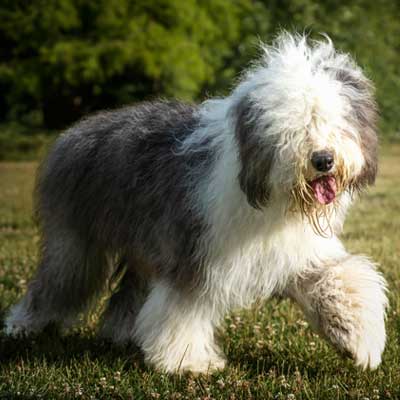
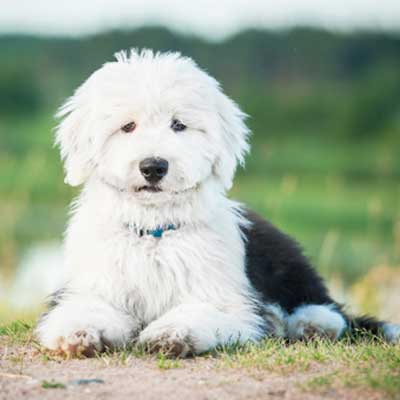
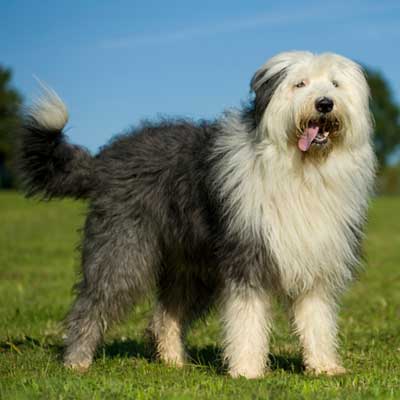
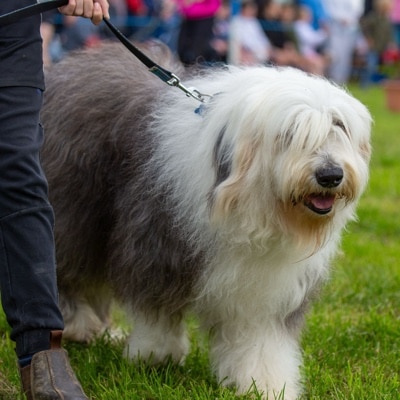
The Old English sheepdog is famous for its shaggy coat, rolling walk and playful charm. Bred to herd livestock across the English countryside, this intelligent working breed brings humor, loyalty and surprising grace to modern homes. If you want a canine companion who thinks for themselves, keeps life lively and greets each day with heart and hair to spare, this is your dog.
Best For: Families who want an interactive, affectionate dog that loves play and people and have the time and means to provide adequate care.
Less Suitable For: Absent households, people who don’t exercise or train a dog daily, people who dislike grooming or prefer a quiet, low-maintenance pet.

Energy Level

Prey Drive

Drooling

Shedding

Barking

Trainability
The Old English sheepdog, or OES, was developed in the English countryside in the 18th century to drive livestock to market. Farmers valued a dog that could think independently and move livestock calmly. To get that combination, they blended herding and working breeds such as the bearded collie and various European shepherds. Over time, the breed’s charm and intelligence won over urban families. The American Kennel Club recognized the breed in 1888 as a member of the Herding Group.1,2
| Breed Attribute | Attribute Details |
|---|---|
| Group/Class | Herding Group (AKC and UKC) |
| Club Recognition | American Kennel Club, United Kennel Club, Old English Sheepdog Club of America |
| Instincts, Function and Purpose | Old English sheepdogs were originally developed to drive cattle and sheep across long distances. |
| Adaptability | Best for homes that appreciate predictable routines, gentle training and space for a large, shaggy dog to live comfortably. |
| Breed Standards | Old English Sheepdog Club of America Breed Standard, UKC Breed Standard |
Old English sheepdogs are large, athletic dogs that need nutrition to support a large frame, an active mind and that famous coat. Appropriate calories, joint-supportive nutrients and balanced fats keep this breed healthy inside and out.
To stay healthy and keep that signature shaggy coat in good condition, an Old English sheepdog benefits from eating a complete and balanced food that provides biologically appropriate levels of protein to support strong muscles and healthy skin and coat. This breed can gain weight easily if portions creep up. Omega-3 and omega-6 fatty acids such as EPA and DHA assist skin health, joint flexibility and overall wellbeing. Balanced minerals, including calcium and phosphorus, contribute to proper bone density and joint development. Essential vitamins and antioxidants work behind the scenes to maintain immune strength and healthy cellular function, helping the Old English sheepdog feel comfortable and active.
Browse Our Products

Puppies: Old English sheepdogs can take up to 18 months to mature into a full-grown adult. While they are growing, they need nutrition that supports healthy development and growing bones and joints. Feeding a large-breed puppy food is more important than high protein. Ask your veterinarian to calculate feeding amounts and adjust as your puppy grows.
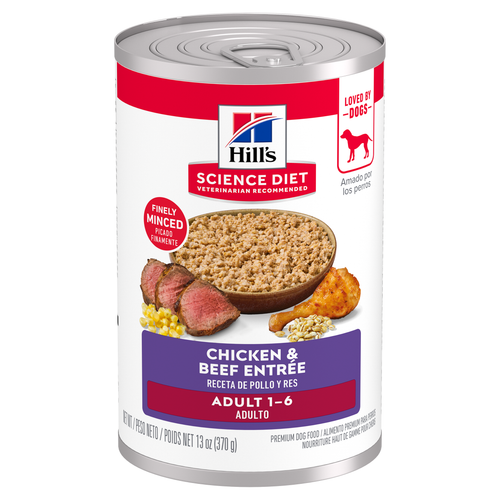
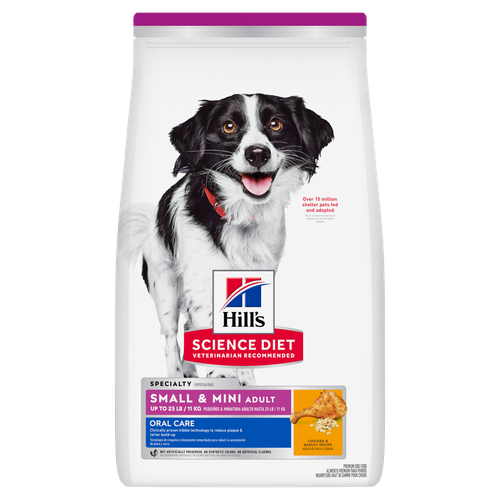
Adults: Fuel the worker, manage the fluff. Adult sheepdogs do best on food that helps to support a lean body weight and provides complete and balanced macro- and micronutrients fit for a large-breed dog.
Seniors: Older OES often do well on diets that support gut health and digestion and promote healthy metabolism. Seek a formula that also supplies antioxidants for healthy aging and adequate protein to protect against muscle loss. Bonus points if it provides evidence-based omega-3s from fish oil that support joint health and L-carnitine to help boost metabolism and keep older dogs fit and trim.
Weight management and joint support: Unhealthy weight gain results in increased wear and tear on joints, which can be challenging for any dog. Keep an OES at a healthy weight to ensure comfort and mobility as long as possible. Choose a formula that helps manage weight and provides nutrients that support joints.
Body condition can be hard to judge under all that hair — run your hands over them to feel ribs, waist and hips, and ask a veterinarian to help you apply a nine-point body condition score. Hidden weight gain is common in fluffy breeds, so measuring portions and frequent check-ups matter. Remember to limit treats to less than 10% of daily calories. A veterinarian can help you define calorie targets.
The Old English sheepdog is sturdy, social, playful and full of heart. They roll through life with a swagger that makes you smile and a personality that fills the room. Behind that shaggy curtain of fur is a confident, people-oriented dog who lives to be part of the action.
The Old English sheepdog has a look that stops people in their tracks, thanks to their gray-and-white shaggy coat. Their large frame, soft expression and unmistakable outline give them a presence that feels playful and steady. Many pet parents notice how this breed seems to smile under all that fluff, especially when they trot by with their signature rolling gait.
| Physical Trait | Trait Details |
|---|---|
| Breed Size | Large |
| Coat | Plush, long double coat with a soft underlayer |
| Colors | Shades of gray, blue, grizzle or blue merle with white markings¹ |
| Tail and Ears | Naturally long, fringed tails (some are docked); ears medium and carried flat to the side of the head |
| Height | 21 to 22 inches (males are taller) |
| Weight | 60 to 100 pounds (males are heavier) |
| Life Expectancy | 10 to 12 years |
Living with an Old English sheepdog feels a bit like sharing your house with a funny, extroverted, oversized roommate who knows all your routines. They form strong attachments to whole families but will often choose one person as their emotional anchor. OES can be patient and affectionate with children as long as play stays respectful. Due to their herding instinct, some may herd the children with head nudges and heel nipping. OES don’t mind family chaos and are often OK with visitors or strangers, but some can be aloof and wary. Around other dogs or pets, they’re generally friendly, especially when raised together.
The OES is gentle and kind but big enough to make an impression if ever needed. Their prey drive is low, but their herding instinct is high, so you might find them steering toddlers, cats or even Roombas. Mischief level? Moderate. They are clever and moderately energetic, but if you keep them busy enough, they will stay out of trouble. They really love their people, and if you work from home, they will likely hang out with you the whole time and try to "help" by resting their head or a paw on your keyboard.
Traits are on a scale of 1 to 5, with 1 being the least and 5 being the most.
| Dog Trait | Trait Scale Value |
|---|---|
| Energy Level | 3 - Moderate Energy |
| Prey Drive | 3 - Moderate Drive |
| Drooling | 2 - Low Drooling |
| Shedding | 5 - Very High Shedding |
| Coat Maintenance | 5 - Very High Maintenance |
| Barking | 3 - Moderately Vocal |
| Social Tendencies | 4 - Outgoing |
| Trainability | 3 - Moderately Trainable |
Note: These rankings describe general tendencies. Dogs, like people, are individuals and their behavior and personality can vary based on genetics, environment, health, and training.
Before adopting any breed of dog, it's a good idea to speak to a veterinarian to determine if their health and care needs fit with your household, budget and lifestyle. Understanding common veterinary needs can also help you decide if they are a good fit for your home.
Best for: Families who want an interactive, affectionate dog that loves play and people and have the time and means to provide adequate care.
Good with: Kids, dogs and most pets when socialized early. Always monitor children around dogs.
Less suitable for: Absent households, people who don’t have time to exercise and train a dog daily, people who dislike grooming or prefer a quiet, low-maintenance pet.
The Old English sheepdog is built to move but prefers variety and social play over marathons. A healthy adult thrives on 45 to 60 minutes of combined walking, play and brainwork each day. Herding instincts mean they love movement that feels like teamwork: think hiking, rally obedience or even joining the kids for backyard soccer. Hide a favorite toy, teach a new trick or scatter part of their meal for sniff-and-seek time. It burns energy and keeps mischief levels at a minimum.
Old English sheepdog puppies need short, frequent bursts of low-impact activity to build coordination without straining growing joints. Focus on soft-surface walks, light play and early socialization with new sounds and people. Keep sessions playful and brief, ending with calm handling or brushing to teach cooperation and confidence.
Old English sheepdogs are intelligent, perceptive and more aware of human behavior than most people realize. They notice tone, body language and grasp patterns fast. They are sensitive souls, and harsh words or treatment can shut their confidence down or, even worse, result in the famous “sheepdog sigh” combined with a slow walkout that feels personal. These dogs remember joy longer than commands. The OES bonds with everyone under the same roof, so training should be a family project.
Old English sheepdogs benefit from early socialization so they don't develop shyness or aggression. Early on, they need to master reliable recall, polite leash walking, calm greetings, crate training and response to name. Because they’re large and enthusiastic, impulse control is essential; teaching “wait,” “leave it” and “settle” prevents accidents before they happen.
Teach your OES to participate in brushing, rest calmly for nail trims and tolerate dryers, scissors and teeth brushing through gradual exposure and desensitization. Short, frequent sessions with praise and treats make care easier for both of you
Old English sheepdogs are generally strong and hearty, but you can support their long-term health with preventive care, early veterinary screening, weight management, dental care and high-quality nutrition.
Joint disorders: Most large-breed dogs are at risk for hip dysplasia, elbow dysplasia and cranial cruciate ligament disease. Help support healthy joints with early screening, appropriate nutrition and exercise, weight management and lifelong conditioning. Discuss with your veterinarian about waiting until larger puppies are done growing, around 12 to 18 months, to have them spayed or neutered to allow for healthy bone development.
Eye conditions: Cataracts and other hereditary eye disorders such as progressive retinal atrophy may occur, and this breed has higher risk for conjunctivitis due to hair obstructing their eyes. Early veterinary screening, annual eye exams and lifting that hair regularly to check their sweet eyes all may help lower risk.3,4,5,6
Hypothyroidism: Although large-scale breed-specific data are limited, the Old English sheepdog has been listed among breeds reported with thyroid dysfunction. Low thyroid levels can cause weight gain and hair coat changes. Treatment is available.7
Deafness: While large-scale data are limited, deafness has been documented in the Old English sheepdog. Pigment-associated auditory challenges linked to white coat/blue eye patterns are also recognized in this breed. Hearing tests are recommended for all at-risk dogs and puppies.8,9,10
Let’s be honest: The Old English sheepdog’s hair coat is a commitment. Daily brushing with a slicker brush and comb is recommended to prevent matting and keep the skin healthy. While they look like they might shed on everything, that’s not actually what happens. They do lose hair, but most of it stays trapped in the coat until you brush it out. They experience heavy seasonal shedding, typically in spring and fall.
Because of the volume and texture of their coat, professional grooming is needed every 6 to 8 weeks, along with regular home haircuts around the muzzle and eyes. Bathe as needed, but always rinse and dry thoroughly. When bathing, always detangle mats before wetting the coat; mats tighten when wet and may require shaving or clipping to remove. Trim nails every two to four weeks and brush teeth daily with an enzymatic toothpaste.
The Old English sheepdog is not a background-decor dog; they’re a full-time family member with opinions and a knack for comic relief. They thrive in homes where laughter is common and affection flows both ways. If you want a goofy, joyful companion who greets you like a long-lost friend, insists on supervising every household chore and occasionally photobombs your Zoom calls, this might be your dog.
Yes. Old English sheepdogs need daily activity and mental stimulation to stay happy and healthy.
Yes. Old English sheepdogs are excellent family dogs when socialized and trained early. Always monitor children around dogs.
Yes. Old English sheepdogs shed year-round and require daily brushing to prevent matted hair.
They can be, if first-time pet parents are ready for the Old English sheepdog’s significant grooming and training commitment.
Old English sheepdogs typically live 10 to 12 years with attentive care, regular exercise and a balanced diet.
American Kennel Club, “Old English Sheepdog Dog Breed Information,” American Kennel Club, accessed November 2025, https://www.akc.org/dog-breeds/old-english-sheepdog/.
Old English Sheepdog Club of America, “Breed History and Characteristics, ” Old English Sheepdog Club of America, accessed November 2025, https://www.oldenglishsheepdogclubofamerica.org/.
Koch, S. A. “Cataracts in Interrelated Old English Sheepdogs.” Journal of the American Veterinary Medical Association 160, no. 3 (1972): 299–301. https://pubmed.ncbi.nlm.nih.gov/5061880/.
Fox, Michael W. “Occlusion of Vision in Old English Sheepdogs.” International Journal for the Study of Animal Problems 4, no. 1 (1983): 57–61.
https://www.wellbeingintlstudiesrepository.org/ijsap/vol4/iss1/6/.
European College of Veterinary Ophthalmologists. Known and Presumed Hereditary Eye Diseases in the Dog: Old English Sheepdog (KP-HED Manual). (2021):
https://www.ecvo.eu/media/oldenglishsheepdog.pdf.
Stanbury, K., E. Klütsch, H. Keller, K. Hedhammar, et al. “Multiocular Defect in the Old English Sheepdog: A Canine Form of Stickler Syndrome Type II Associated with a Missense Variant in the Collagen Type XI Gene (COL11A1).” Genes 14, no. 1 (2023): 101.
https://journals.plos.org/plosone/article?id=10.1371/journal.pone.0295851.
“Hypothyroidism.” Vetlexicon Canis, accessed November 5, 2025,
https://www.vetlexicon.com/canis/dermatology/articles/hypothyroidism/.
Anniko, M., E. Fabiansson and O. Nilsson. “Deafness in an Old English Sheepdog. A Case Report.” Arch Otorhinolaryngol 218, no. 1–2 (1977): 1–7. https://pubmed.ncbi.nlm.nih.gov/579985/.
Anniko, M. “Sensorineural Hearing Loss in a Scandinavian Old English Sheepdog.” Acta Pathologica Microbiologica Scandinavica A 88, no. 1 (1980): 19–23. https://pubmed.ncbi.nlm.nih.gov/7376874/.
Strain, G. M. “The Genetics of Deafness in Domestic Animals.” Frontiers in Veterinary Science, Vol 2, Article 29 (2015): https://www.frontiersin.org/journals/veterinary-science/articles/10.3389/fvets.2015.00029/full.

View Related Breeds