Goldendoodle Dog Breed Guide

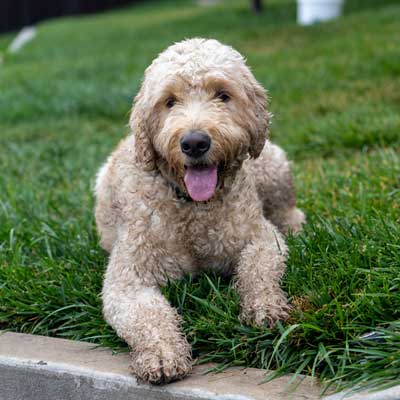
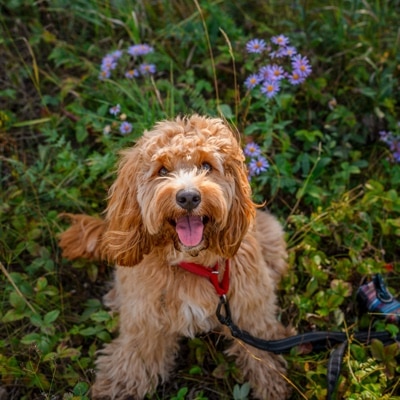
The dog breed known as a goldendoodle is actually not purebred, but is a hybrid – a mix between a poodle and a golden retriever. While they're not officially recognized by the American Kennel Club (AKC), they're extremely popular, and for good reason. Goldendoodles are generally energetic and affectionate, and depending on their coat, often look like big teddy bears that you can't help but want to cuddle with.

Best For: Active pet parents who can provide significant mental and physical engagement, time and attention.

Less Suitable For: Households with limited grooming budgets, pet parents who are away from home for long periods or cannot provide socialization or exercise.

Energy Level

Energy Level

Prey Drive

Prey Drive

Drooling

Drooling

Shedding

Shedding

Barking

Barking

Trainability

Trainability

The Origins of the Goldendoodle

Mixed breed dogs have been around as long as dogs have been domesticated, but the specific mix of golden retriever and poodle did not become commonplace until the 1990s. The earliest known breeding of a golden retriever to a poodle happened in 19691, but the name goldendoodle — and the associated popularity — really didn't take off until over 20 years later.

Both breeds that make up the goldendoodle were originally bred for hunting. Golden retrievers are especially skilled at retrieving waterfowl from both land and water. This heritage required them to be intelligent and eager to please, traits that often shine through in the goldendoodle’s personality today.

Breed AttributeAttribute Details
Group/ClassNone
Club RecognitionNot recognized
Instincts, Function and PurposeGolden retrievers and poodles were both bred as hunting dogs, but the goldendoodle was bred much later to be a typically low-shedding companion dog.
AdaptabilityGoldendoodles can make great pets, but they do best with experienced pet parents.
Breed StandardsGoldendoodle Association of North America Breed Standard

Nutrition for Goldendoodles

The nutritional needs of goldendoodles can vary significantly based on their specific genetic mix. A golden retriever bred to a miniature poodle is generally going to result in a much smaller dog than one bred to a standard poodle, and their nutritional needs will differ accordingly. Regardless of size, however, most goldendoodles thrive when fed a complete and balanced food. Your veterinarian can help you determine the ideal food and calories for your goldendoodle based on their age, activity level, size and unique needs.

Ingredients and Nutrients

Look for a complete and balanced dog food that will provide your goldendoodle with all the nutrients they need to suit their lifestyle. Goldendoodles may benefit from foods enriched with omega-6 fatty acids to support their skin and coat, prebiotics to support healthy digestion and omega-3 fatty acids to support their brain, joints and kidneys.

Life Stage Considerations

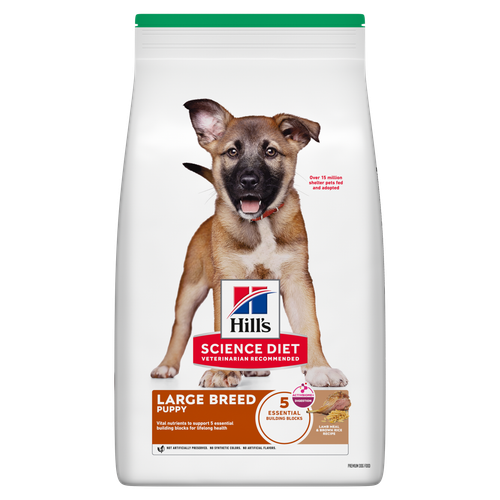
Puppies: Goldendoodle puppies need a complete and balanced food formulated for their life stage to help them grow into healthy adult dogs. For those who will reach 55 pounds and up at ideal adult weight, it's important to choose a large-breed puppy formula. Large-breed puppy foods have specific ratios of calcium and phosphorus, which help promote healthy bone growth. Puppy foods are designed to have ideal amounts of fat and protein to promote healthy overall growth.

Adults: The switch from puppy food to adult food should be gradual (over the course of about seven days) and typically happens around 12 to 18 months of age, depending on your dog’s size and vet's recommendation. Portion control is crucial during this life stage to maintain a healthy weight, so make sure to ask your vet about proper amounts to feed.

Seniors: Depending on size, goldendoodles can be considered seniors at about 6 years old. At this point, a complete and balanced senior dog food is the preferred choice. Senior dog foods are often slightly lower in calories to help older dogs maintain a lean body condition. Some also contain higher amounts of omega-3 fatty acids to help support continued brain, kidney, joint, skin and heart health.

Weight management: Maintaining an ideal weight can help keep your goldendoodle healthy and happy for years to come. Make sure to check with your vet about your dog's weight. If weight loss is needed, your vet can guide you on a diet plan. Using a kitchen gram scale for portions may also help.

Goldendoodle Dog Breed Characteristics

Goldendoodles are popular for many reasons: They have a distinct appearance that just makes you want to hug them, and their personalities are as sweet as their looks. Their strong desire to please makes them highly trainable and excellent companions for active, high-energy families.

Note: Breed personality, physical traits and health status are affected by genetics and may vary within the same breed. Hybrid breeds may take on a unique combination of traits from either parent.

Appearance and Physical Traits

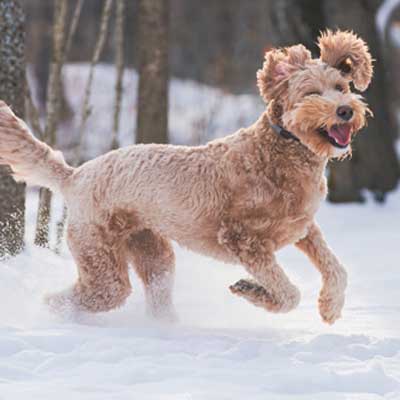
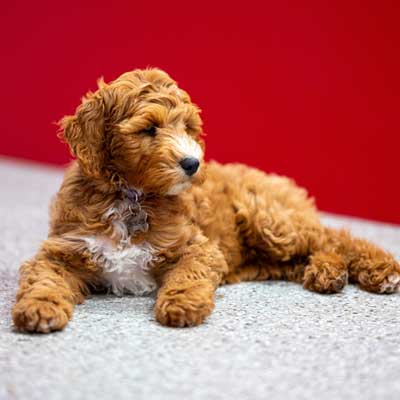
Goldendoodles are the kind of dogs that turn heads at the park — not because they’re flashy, but because they look like walking teddy bears with a mischievous sparkle in their eyes. That said, their looks can vary significantly in looks; some inherit more poodle-like curls, while others have the shaggier coat of a retriever. Whether they sport a mop-top fringe that gives them a perpetually playful look or a refined pouf, they are known for their soft, expressive features, fluffy tails and an irresistibly lighthearted, bouncy gait.

Physical TraitTrait Details
Breed SizeRanges from petite to large
CoatRanges from wavy and shaggy to tight curls
ColorsRed, cream, apricot, black, chocolate, white, and parti (multi-colored)
Tail and EarsTail medium to long, carried straight with a gentle curve; ears are thick and cheek-length
Height10 to 28 inches (males are usually taller than females)
Weight15 to 100 pounds (males are usually heavier than females)
Life Expectancy8 to 14 years

Goldendoodle Temperament and Personality Traits

Goldendoodles are known for their happy-go-lucky, energetic personality that stays from the puppy years well into adulthood. However, they usually mellow out a bit after two or three years. With good socialization, they tend to get along well with other dogs and people. Some goldendoodles may have a strong tendency to retrieve objects , like their golden retriever parent, while others may prefer a good game of tug-o-war. 

Many are great with children who understand proper pet etiquette. Both golden retrievers and poodles are loving, affectionate breeds, and most goldendoodles follow this trend. While they are typically sweet, loving dogs, some can be prone to anxiety. It is important to socialize your puppy early, and if adopting an adult, talk to your vet about any fears or anxieties. Patience and understanding go a long way with this breed.

Personality and Temperament Trait Scale

Traits are on a scale of 1 to 5, with 1 being the least and 5 being the most.

Personality TraitTrait Scale
Energy Level4 - High Energy
Prey Drive3 - Moderate Drive
Drooling2 - Low Drooling
Shedding2 - Low Shedding
Coat Maintenance5 - Very High Maintenance
Barking3 - Moderately Vocal
Social Tendencies5 - Extremely Social
Trainability4 - Highly Trainable

Note: These rankings describe general tendencies. Dogs, like people, are individuals and their behavior and personality can vary based on genetics, environment, health, and training.

Lifestyle Compatibility

Before adopting any breed of dog, it's a good idea to speak to a veterinarian to determine if their health and care needs fit with your household, budget and lifestyle. Understanding common veterinary needs can also help you decide if they are a good fit for your home.

Best for: Active pet parents who can provide significant mental and physical engagement, time and attention.

Good with: Other dogs, older children. Always monitor children around dogs.

Less suitable for: Households with limited grooming budgets, pet parents who are away from home for long periods or cannot provide socialization or exercise.

Exercise Needs and Appropriate Activities

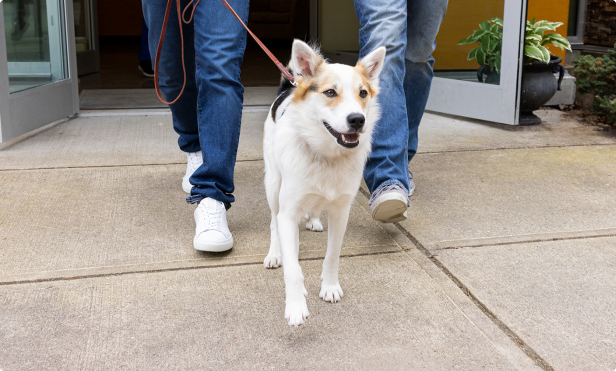
Goldendoodles, especially when younger, require plenty of exercise. Daily walks provide essential physical activity and mental stimulation. Being able to sniff new things and experience different sights and sounds is vital for your dog's body and mind. If your goldendoodle is the only dog in the house, playdates or doggy daycare can be excellent social outlets. Goldendoodles thrive on mental enrichment like puzzle toys or scent games. This breed is known for keeping their puppy-like energy well into adulthood.

Training

Goldendoodles respond best to positive rewards-based training. They are highly sensitive and should not be trained with vibrating or electric collars, as they can become overly fearful, to the point of aggression. Many are food-motivated, making training more manageable and fun. Consistency, clear boundaries, and plenty of praise work best for goldendoodles.

Anxiety and fear-based behaviors can occur in goldendoodles. Early socialization and positive reinforcement are critical for a well-adjusted dog. For any especially concerning behaviors, talk to your vet or a professional trainer.

Goldendoodle Health and Wellness

Goldendoodles sure are cute, and generally healthy, but their hybrid nature means they can inherit common issues from both the poodle and golden retriever breeds.

Goldendoodle Potential Health Issues

Allergies: Goldendoodles are highly prone to both environmental and food allergies. Common signs are frequent ear and skin infections, hair loss, and obsessive paw licking. Your vet is your best resource for managing these symptoms.

Gastric dilatation-volvulus (GDV): Because they are deep-chested, goldendoodles are at risk for GDV, also known as bloat, a rapidly progressing, life-threatening emergency where the stomach twists. Signs can include a hard, distended abdomen, excessive drooling, restlessness and sometimes nonproductive retching. Consult your veterinarian about whether a prophylactic gastropexy (a surgical procedure to “tack” the stomach and prevent twisting) is right for your dog.

Cancer: Both golden retrievers and poodles have higher cancer rates, which means goldendoodles may also be at increased risk. Routine veterinary exams are the best way to monitor their health and allow for early detection.

Arthritis: With age, goldendoodles may develop issues secondary to hereditary conditions such as hip dysplasia and elbow dysplasia, or to cranial cruciate ligament injury. Keeping your dog at a healthy weight is crucial to help reduce strain on their joints.

Ear infections: Because of the poodle's heavy, hairy ears and the retriever's floppy shape, they are prone to chronic ear infections. Seek prompt veterinary care, because ear infections can be painful.
Grooming Needs

Goldendoodles have a distinct coat that takes a lot of work. Whether they have poodle-like curls or wavy locks like their retriever ancestors, grooming a goldendoodle can be very time-consuming and expensive. However, it's generally necessary to have them professionally groomed every four to six weeks throughout their life. Keeping up with grooming is essential, as their fur can mat down to the skin, leading to painful tangles and skin infections.

Because of their coat types, goldendoodles may require significant home maintenance. They should be brushed and combed thoroughly (using a 'line-brushing' technique) several times a week, if not daily, between professional grooming sessions. Beyond coat care, not much home grooming is needed unless they get particularly dirty. Make time for nail trimming and daily tooth brushing with an enzymatic toothpaste.

Is a Goldendoodle Your New Furry Friend?

Goldendoodles are great dogs for the right people. If you are willing to put in the effort and patience, you'll be rewarded with a loving companion who is also lots of fun and adorable to snuggle.

Resources For New Pet Parents

Get expert tips for a long and happy life with your new best friend.

New dog guide

Goldendoodle Dog Breed FAQs

If you want a sturdy buddy for hiking or playing ball, then the larger goldendoodle(mixed with a standard poodle) can be a great fit. Looking for a more compact version? Those mixed with a mini poodle typically stay under 35 pounds, though “medium” sizes exist in between as well. Mini goldendoodles often have big personalities and may be more prone to barking, but their smaller size can make grooming more affordable.

While poodles are often considered non-shedding, golden retrievers are high-shedders. Because they are a combination, a goldendoodle’s coat can be unpredictable. If your goldendoodle takes after the poodle side, they may shed much less, but allergies in humans can also be triggered by dander and saliva.

Goldendoodles generally make great family pets. However, because both parent breeds are retrievers, puppies can be "mouthy" and may nip at hands or clothes during play. With any pet, it's important for children to understand how to treat animals, respect boundaries and show affection. In return, they'll get unconditional love and adorable family photos.

References

  1. Emily W. "All About Goldendoodles." ASPCA Pet Health Insurance. Accessed autumn 2025.  https://www.aspcapetinsurance.com/resources/goldendoodle/. 

  2. American Kennel Club. “Standard Poodle Dog Breed Information.” Accessed autumn 2025. https://www.akc.org/dog-breeds/poodle-standard/.

Dr. Karen Louis Dr. Karen Louis

Dr. Karen Louis owns her low stress veterinary clinic near St. Louis. When she's not helping dogs and cats live their best lives, she maintains her blog, VetChick.com, and is an award winning nature photographer.