Canadian Eskimo Dog Breed Guide

The Canadian Eskimo dog is a powerful landrace Arctic dog breed shaped by thousands of years of partnership with Inuit communities. There is a distinctive stillness in the way these dogs watch their surroundings, as though they are reading the weather before anyone else feels the change. They were built for hauling, traveling, problem-solving and working side by side with indigenous humans in one of the harshest climates on Earth. People who enjoy purposeful, engaged dogs will likely appreciate the Canadian Eskimo dog’s deep devotion, expressive face and legendary endurance. 

Best for: Active families, outdoorsy people, experienced dog parents, those who enjoy structured activities, winter landscapes

Less suitable for: Homes with small children or small animals and low-activity; homes without consistent training and enrichment; warm climates.

Energy Level

Energy Level

Prey Drive

Prey Drive

Drooling

Drooling

Shedding

Shedding

Barking

Barking

Trainability

Trainability

The Origins of the Canadian Eskimo Dog

The Canadian Eskimo dog traces its ancestry back several thousand years. The Thule people, forebears of today's Inuit, started using dogs (qimmic in the Inuktitut language) as draft animals between 1,000 and 1,250 years ago. Archaeological research suggests that ancestors genetically similar to today’s Canadian Eskimo dog traveled with Arctic peoples who migrated across northern regions. These dogs were essential for sled pulling, hunting support, load carrying and guarding work in harsh conditions where survival required cooperation.

By the mid-20th century, snow vehicles, cultural changes and viral epidemics led to a steep decline in working sled dog numbers. A focused effort to restore the Inuit dog began in 1972 through the work of the Eskimo Dog Research Foundation in the Northwest Territories. Their program preserved remaining lines and helped rebuild stable breeding populations. Most Canadian Eskimo dogs today trace their ancestry to the dogs maintained and bred through that foundation’s efforts. The breed is now recognized by the Canadian Kennel Club, and cultural preservation efforts continue to highlight the immense historical and cultural value of Canada's last landrace canine species.1,2

Breed AttributeAttribute Details
Group/ClassUnited Kennel Club Northern Breed Group; Canadian Kennel Club Working Group. None yet for the American Kennel Club, but is in the AKC Foundation Stock Service, meaning the breed is recorded and tracked but not fully recognized yet. FSS status preserves pedigrees and allows participation in some AKC performance events while the population continues to grow.
Club Recognition United Kennel Club, Canadian Kennel Club, AKC Foundation Stock Service, regional preservation societies
Instincts, Function, and PurposeCanadian Eskimo dogs were bred for sled pulling, endurance work and hunting assistance.
AdaptabilityCanadian Eskimo dogs are best for active and structured households.
Breed StandardsCanadian Kennel Club Official Standard and UKC

Nutrition for the Canadian Eskimo Dog

The Canadian Eskimo dog has a dense build and high energy output, so they thrive on diets designed to support active working dogs. Veterinarians recommend complete and balanced large-breed dog foods that maintain strong muscle tone, support joint health and provide energy and a lean body condition. Free-feeding is not recommended for this breed — dogs with Arctic heritage often show impressive appetites, which means careful portion control is essential. Using a kitchen gram scale for portions can help. Constant access to food also makes it harder to spot changes in appetite, which veterinarians consider an early sign of illness. Scheduled, measured meals throughout the day support a healthy body weight and energy and predictable digestion. 

Ingredients and Nutrients

Look for a complete and balanced dog food that will provide your Canadian Eskimo dog with all the nutrients they need to suit their lifestyle. Canadian Eskimo dogs may benefit from foods enriched with omega-6 fatty acids to support their skin and coat, prebiotics to support healthy digestion and omega-3 fatty acids to support their brain, joints and kidneys.

Life Stage Considerations

Puppies: Growing Canadian Eskimo dog puppies should eat large-breed puppy foods with controlled calcium and phosphorus levels to maintain healthy skeletal development. Lean, muscular puppies tend to develop healthier joints than overfed, fast-growing youngsters. Canadian Eskimo puppies take 12 to 18 months to mature. Consult your veterinarian about when to change to an adult food.

Adults: Adult dogs benefit from complete and balanced large-breed dog foods that match their daily exercise. Some companion Canadian Eskimo dogs require more moderate calorie content, while actively working dogs often need higher protein and slightly higher fat to maintain body condition. Work with your vet to determine the amount of food to feed your dog based on age, health and activity level.

Seniors: Senior Canadian Eskimo dogs may (or may not) slow down, but healthy metabolic support still matters. Formulas containing fermentable fiber, antioxidants and L-carnitine help support digestion, weight control and aging. Joint-supportive ingredients, such as omega-3 fatty acids, often make a noticeable difference for older Arctic breeds.

Weight management and joint support: Dogs that struggle with weight or need extra joint support may benefit from a food that supports healthy weight management plus nutrition to promote joint health. Ask your veterinarian to teach you how to monitor your dog’s body condition at home and for total daily calorie targets. Keep treats and people food limited to less than 10% of total daily calories.

Canadian Eskimo Dog Breed Characteristics

The Canadian Eskimo dog carries a bold, athletic presence shaped by centuries of work in unforgiving northern landscapes. They show sharp environmental awareness and quick decision-making, often responding to movement and tone with impressive speed and precision. Their behavior blends independence with strong social engagement, creating a dog who works hard, bonds harder and brings a surprising spark of humor to daily routines.

Appearance and Physical Traits

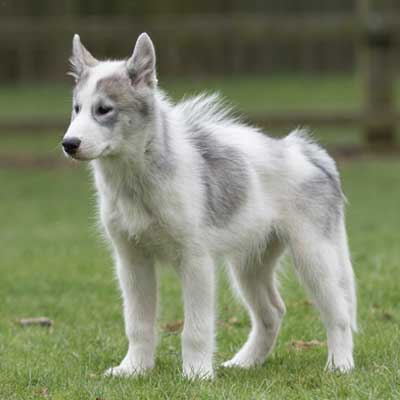
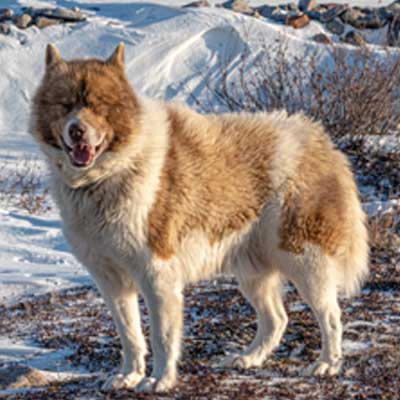
The Canadian Eskimo dog has a broad, sturdy frame with impressive musculature. Their gait covers ground with efficient, almost gliding power. A thick double coat provides insulation and feels substantial when touched, and they have large snow-adapted, well-furred paws that function almost like natural shoeshoes. Their face often carries a sharp, alert expression, with eyes that track movement like a seasoned scout. Their tail curls over the back in a plumed arc, and their erect ears are always listening.

Physical TraitsTrait Details
Breed SizeLarge (some females are medium-sized)
CoatDense double coat with straight outer coat, wool-like undercoat. Males typically have a mane over the shoulders and neck.
ColorsWhite, black, sable, gray or combinations
Tail and EarsPlumed tail; triangular upright ears
Height23 to 27.5 inches (males are usually taller than females)
Weight66 to 88 pounds (males are usually heavier than females)
Life Expectancy10 to 15 years

Canadian Eskimo Dog Temperament and Personality Traits

Canadian Eskimo dogs tend to be loyal and expressive dogs. These dogs usually form strong bonds with one or two people, though many settle comfortably into family life when everyone participates in their care. They lean independent rather than clingy. Around children, they usually do best with older kids who understand boundaries, while younger kids may need closer supervision simply because this breed plays with more power than finesse. They are reserved and distant with strangers. With proper socialization, many coexist well with familiar dogs, but their working instincts can spark bossy behavior during group play. 

Their prey drive varies but often runs moderate to high. Small animals and birds should live in secure housing. These dogs rarely behave aggressively without cause, but they can be vocal when excited or when signaling something interesting in the environment. When bored or under-challenged, their curiosity can tip into creative, destructive trouble, which is amusing for five seconds and regrettable right after.

Personality and Temperament Trait Scale

Traits are on a scale of 1 to 5, with 1 being the least and 5 being the most.

Personality TraitTrait Scale
Energy Level5 - Very High Energy
Prey Drive4 - High Drive
Drooling1 - Minimal Drooling
Shedding5 - Very High Shedding
Coat Maintenance3 - Moderate Maintenance
Barking3 - Moderately Vocal
Social Tendencies4 - Outgoing
Trainability3 - Moderately Trainable

Note: These rankings describe general tendencies. Dogs, like people, are individuals and their behavior and personality can vary based on genetics, environment, health, and training.

Lifestyle Compatibility

Before adopting any breed of dog, it's a good idea to speak to a veterinarian to determine if their health and care needs fit with your household, budget and lifestyle. Understanding common veterinary needs can also help you decide if they are a good fit for your home.

Best for: Active families, outdoorsy people, experienced dog parents, those who enjoy structured activities, winter landscapes

Good with: Respectful, older children, active homes and well-matched dogs

Less suitable for: Homes with small children or small animals, low-activity households or homes without consistent training and enrichment, warm climates.

Exercise Needs and Appropriate Activities

Canadian Eskimo dogs need daily exercise, typically 60 to 120 minutes, and often prefer activities that resemble work rather than simple playtime. They excel in pulling sports, trekking, skijoring, backpacking, sled-pulling and scent-based activities. Mental enrichment, including puzzle feeders, hide-and-seek games and problem-solving tasks, supports their well-being during indoor days. 

Because they were built for Arctic conditions, Canadian Eskimo dogs overheat quickly and should exercise lightly or rest entirely during warm weather, with shade, air conditioning and water always available. 

Puppies should avoid high-impact activities, such as excessive running or jumping on hard ground or pulling or carrying heavy loads, until growth plates mature. Your veterinarian can tell you when that occurs.

Training Tips

Canadian Eskimo dogs require an experienced handler who understands Arctic breeds. Training requires patience, consistency and a sense of humor. Positive reinforcement, predictable routines and calm confidence from handlers help build trust. Many respond especially well to clear directional cues, a nod to their working history with sled teams, so teaching left and right turns or controlled forward drive can give them a satisfying job.

Early socialization reduces the risk of shy, anxious or reactive behavior. Exposure to people, sounds, textures and varied environments builds mental and emotional resilience. Once your vet gives you the OK, introducing new experiences at a steady pace helps them stay confident without becoming overwhelmed.

Core cues should all be trained early, including recall, "stay," loose-leash walking, "leave it" and "go to mat." Cooperative care, such as nail trimming, ear and mouth checks and brushing, should begin early so grooming and veterinary visits feel healthy rather than stressful. Working in brief, upbeat sessions tends to keep their focus sharp and makes learning feel like a shared project rather than a chore.

Canadian Eskimo Dog Health and Wellness

CEDs are generally healthy, though certain conditions appear more frequently due to their Arctic lineage. Early veterinary screening, weight control, regular exams, daily exercise, dental care and complete and balanced food all support long-term well-being. Veterinarians can guide families on the appropriate timeline for spaying or neutering for orthopedic and reproductive health.

Canadian Eskimo Dog Potential Health Issues

Joint disorders: Hip dysplasia and other joint issues can occur in large, athletic breeds and cause early onset osteoarthritis. Appropriate nutrition and exercise for puppies, early veterinary screening and early treatment reduce risk and improve outcomes.

Other issues: The Canadian Eskimo dog may be predisposed to heritable eye diseases including PRA-prcd and cataracts. Early veterinary screening remain essential to lowering risk and disease incidence.3,4

Cold climate adaptations: Their thick coats and metabolic tendencies reflect adaptation to cold climates. Heat intolerance is common and can lead to a medical emergency. Dogs need shade, hydration, air conditioning and limited activity on hot days.

Grooming Needs

The Canadian Eskimo dog’s thick double coat requires consistent care. Weekly brushing helps remove loose undercoat and prevents matting behind the ears and under the elbows. Most Canadian Eskimo dogs blow their coats twice a year, usually in spring and in late summer or early fall. Seasonal shedding can be intense. During these periods, brushing shifts to daily sessions that feel less like grooming and more like negotiating with a fur storm. You may want to build a relationship with a professional dog groomer to do this part for you. 

If you are DIY-ing it, a forced-air dryer used outdoors can speed up coat maintenance, especially when the undercoat starts to loosen in large tufts. Many dogs tolerate line brushing better if the coat is slightly damp or if the session is paired with a lick-able frozen treat as a distraction. 

Bathing should be done as needed, with careful drying to prevent trapped moisture. Nails need trimming every two to four weeks, ears checked weekly and teeth brushed every 24 to 72 hours with an enzymatic toothpaste.

Is a Canadian Eskimo Dog Your New Furry Friend?

People who want a bold, hardworking, expressive dog with a talent for turning routine days into small adventures often fall hard for the Canadian Eskimo dog. With an experienced dog owner, structure, veterinary care, solid nutrition, training and regular engagement, they grow into focused companions who add energy and purpose to whatever the household is doing. If you enjoy a dog who treats every outing like a Dungeons & Dragons quest and occasionally behaves as though they’re the expedition leader, the Canadian Eskimo dog might be your perfect match … thick coat, big personality and all.

Resources For New Pet Parents

Get expert tips for a long and happy life with your new best friend.

New dog guide

Canadian Eskimo Dog Breed FAQs

Yes, Canadian Eskimo dogs shed moderately year-round, heavily during seasonal coat changes, and the amount of hair they release can surprise even seasoned dog parents.

Canadian Eskimo dogs can be patient with older, respectful children who understand boundaries, but younger kids need close supervision so everyone stays safe and comfortable.

Most Canadian Eskimo dogs need about an hour of physical activity plus mental enrichment. Some will happily lobby for more if given the chance.

Canadian Eskimo dogs may do well with familiar dogs, but their prey drive means small animals should have secure, out-of-reach housing.

Canadian Eskimo dogs can be moderately vocal, especially when they want to announce excitement, news or their opinion about something that moved across the yard.

References

  1. American Kennel Club. “Canadian Eskimo Dog.” Last modified 2024. https://www.akc.org/dog-breeds/canadian-eskimo-dog/.

  2. Canadian Kennel Club. “Canadian Eskimo Dog Breed Standard.” Accessed November 2025. https://www.ckc.ca/CanadianKennelClub/media/Breed-Standards/Group%203/Canadian-Eskimo-Dog.pdf.

  3. UC Davis Veterinary Genetics Laboratory. “Progressive Rod Cone Degeneration, PRA-prcd.” Accessed November 2025. https://vgl.ucdavis.edu/test/pra-prcd.

  4. Koko Genetics. “Canadian Eskimo - Dog Breed Genetic Test.” Accessed November 2025. https://www.kokogenetics.com/en/results/dog-dna-test-breed/canadian-eskimo.

Dr. Sarah Wooten Dr. Sarah Wooten

Dr. Sarah Wooten graduated from UC Davis School of Veterinary Medicine in 2002. A member of the American Society of Veterinary Journalists, Dr. Wooten divides her professional time between small animal practice in Greeley, Colorado, public speaking on associate issues, leadership, and client communication, and writing. She enjoys camping with her family, skiing, SCUBA, and participating in triathlons.