Gastric dilatation-volvulus (GDV): Large, deep-chested breeds carry an increased risk for this life-threatening stomach condition also known as bloat. Discuss risk factors and surgical options (gastropexy) with your veterinarian.3
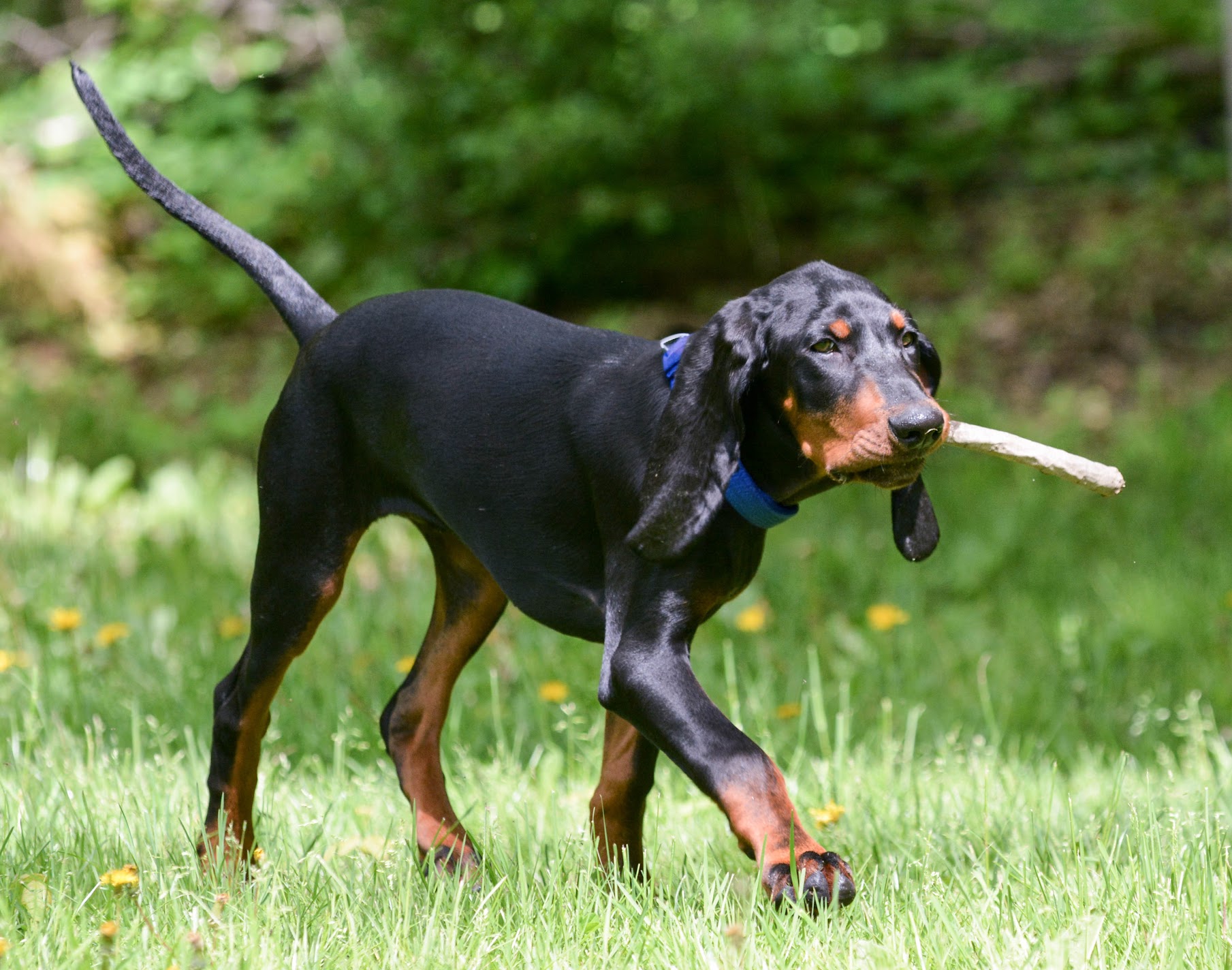
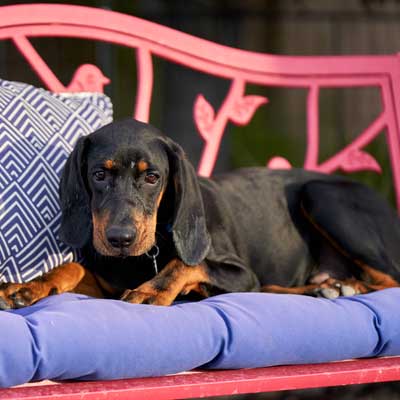
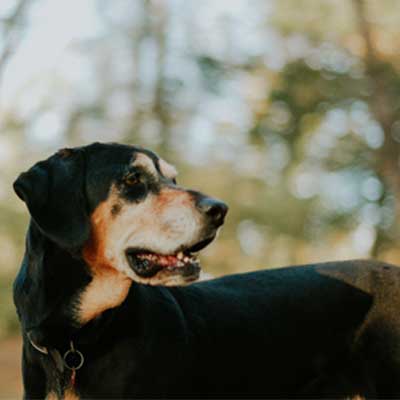
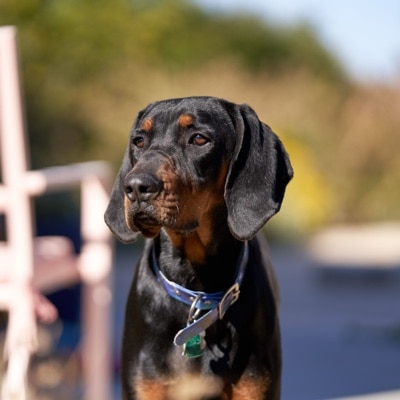
Ear infections: Black and tan coonhounds have long, floppy ears and long ear canals that can trap moisture, increasing the risk of external ear infections. Routinely checking the ears and cleaning gently with a cleanser, if recommended by your veterinarian, can reduce the risk.4
Eyelid conformation disorders: Black and tan coonhounds have heavy facial skin and droopy eyelids, which can predispose some dog's eyelids to roll in or out, causing painful irritation. Corrective surgery can address these issues.
Joint disorders: Most large-breed dogs, including black and tan coonhounds, are at risk of several inherited developmental joint disorders, including hip dysplasia and elbow dysplasia. Growth management and appropriate exercise in puppies, early screening by your vet and lifelong weight monitoring are key.
Coonhound paralysis: An immune-mediated nerve disorder sometimes seen in coonhounds, this paralysis causes sudden weakness or stiffness sometimes associated with exposure to a raccoon. With early veterinary care and physical therapy, most affected dogs recover.5