Diabetes in Cats: Causes, Signs & Treatments
Expert Reviewed
Written By
Reviewed By

Written By
Reviewed By


Diabetes mellitus is a condition that develops when your cat cannot use sugar (glucose) effectively and control the sugar level in her blood. Insulin, which is made in the pancreas, is essential for regulating the use and storage of blood glucose. Insufficient insulin production is potentially life threatening.
There are two types of diabetes, and although there is no cure, cats with either type can be successfully managed through nutrition, exercise, and if necessary, regular insulin medication. With the right cat food and advice from your veterinarian, your diabetic cat can enjoy a happy, active life.
A reduction in insulin production is usually caused by damage to the pancreas. The pancreas is responsible for producing the proper amount of insulin to control sugar levels. If your cat's pancreas is damaged, long-term and potentially life-threatening symptoms could occur and must be managed. In some cats hormonal changes or medications can reduce the effect of insulin. Other factors that increase the chance of your cat developing diabetes include:
Body condition: Overweight cats are more likely to develop diabetes. Severely obese cats are most at risk.
Age: Cats can develop diabetes at any age, but the peak onset is around 8 years.
Gender: Diabetes in cats is more prevalent in males
Breed: Burmese are more at, risk than other breeds.
Other Factors: Poor nutrition, hormonal abnormalities, stress
The signs of diabetes are difficult to recognize because they are similar to those of other disorders like chronic kidney disease and hyperthyroidism. If you notice any of the following, it could mean your cat has diabetes.
Signs and symptoms of diabetes:

* Noted in cats by “clumping” in the litter box and the need to change litter more often
If your cat appears weak or thirsty, frequently urinates, has rapid weight loss, is depressed, or has abdominal pain, she could be diabetic.
IMPORTANT: Once diabetes is diagnosed, it is important that your cat is regularly monitored. Your veterinarian will check your cat’s glucose levels and will adjust medication to keep your cat stable.


Establish a routine: The key to keeping a diabetic cat healthy is routine. Feeding, exercise and, if necessary, giving medication should take place at the same times each day. This helps maintain stable blood glucose levels. Your veterinarian will give you advice.
While there is no cure for diabetes mellitus, veterinarians recognize it can be controlled with insulin, exercise and proper nutrition. Fiber is key in managing the disease because moderate to high-levels of fiber lower insulin requirements and blood glucose levels. Fiber also makes the body more responsive to insulin.
It’s also very important to be consistent in the food you give your cat. The food your cat eats plays an important role in her overall health and well-being. Balanced nutrition is an essential part of an active, healthy lifestyle. When your cat has diabetes, it’s even more important to feed the right cat food.
Feeding a veterinarian-recommended cat food with a consistent nutrient profile --- one that doesn’t vary from batch to batch --- will help keep your cat's metabolism level stable so she can stay healthy.
For accurate diagnosis and treatment options, always consult your veterinarian and ask them to recommend the best food for your cat’s diabetes.


Supports energy level and beautiful fur in mature indoor cats
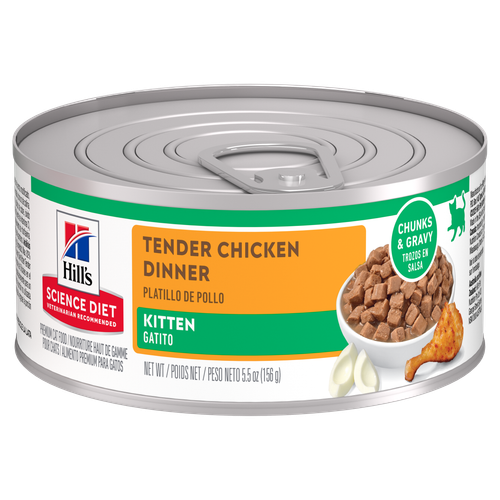
Delectable chunks with tender chicken smothered in a rich gravy

Precisely balanced nutrition with the delicious taste of finely minced turkey & liver to help fuel the energy needs of cats during the prime of their life

Improves Everyday Ability to Get Up & Go

Learn how to litter train a kitten with this guide to potty training, including when to start litter training kittens and troubleshooting tips.

Discover which cat toys games your feline friend might like, and how they are great sources of exercise. Explore our library of articles to learn more.
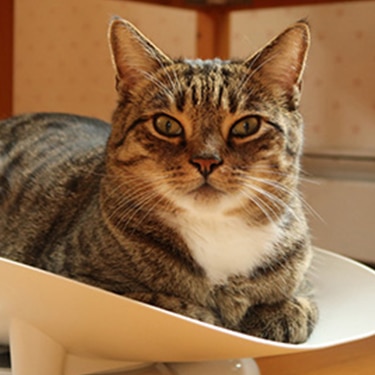
How do you get a cat to lose weight? Learn all about cat foods for weight loss, including how to choose weight control cat food and exercise tips.
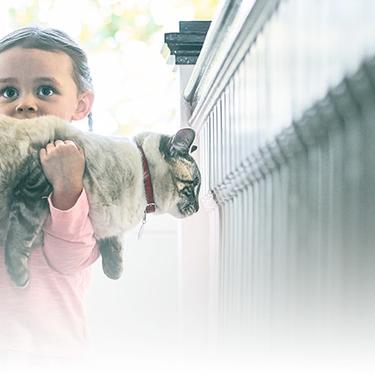
Discover how to identify cat sensitive skin and what you can do to help your cat thrive from head to paw.

Our low calorie formula helps you control your cat's weight. It's packed with high-quality protein for building lean muscles, and made with purposeful ingredients for a flavorful, nutritious meal. Clinically proven antioxidants, Vitamin C+E, help promote a healthy immune system.
Our low calorie formula helps you control your cat's weight. It's packed with high-quality protein for building lean muscles, and made with purposeful ingredients for a flavorful, nutritious meal. Clinically proven antioxidants, Vitamin C+E, help promote a healthy immune system.