Dog Nutrition by Age: Puppy, Adult & Senior Feeding
Expert Reviewed
Written By
Reviewed By

Written By
Reviewed By


Dog nutrition is one of those things that feels simple until your dog changes life stages or suddenly has a specific nutritional need. One minute, you’re feeding a wiggly puppy who acts like they've never seen food before. The next minute, that same dog is full grown and a little less chaotic — and their mealtime bowl needs to reflect their new stage of life and activity level.
Puppies, adult dogs and senior dogs don’t have the same nutritional needs because their bodies are doing different jobs. A puppy is building bone, muscle, organs and an immune system. An adult dog is maintaining body condition, energy and lean muscle. A senior dog may need nutritional support to prevent unhealthy weight gain and maintain muscle, healthy digestion and overall vitality.
That doesn’t mean meal time has to be complicated. You just have to adjust, knowing that the best food for your dog is one made for their life stage, size, activity level and health needs. Asking your veterinarian what would be best for your specific dog is a great place to start.
Some pet parents choose to feed a single protein dog food because they want a simpler way to understand what their dog is eating. This type of ingredient profile can be appealing for healthy adult dogs and for pet parents who prefer a straightforward single animal protein approach. Others may select this type of food for a dog with specific dietary needs or as part of a nutrition plan discussed with their veterinarian. However, single protein foods are not necessarily therapeutic diets, and they should not be assumed to manage allergies, sensitive stomachs, soft stools, weight concerns or coat condition unless the food is specifically formulated and labeled for that purpose. Pets with specific needs like these should be seen by their vet and evaluated for a therapeutic food that might require a vet recommendation.

Feeding food labeled for a specific life stage is the simplest way to ensure it fits your dog's current needs. The Association of American Feed Control Officials (AAFCO) recognizes key life stage categories: growth (for puppies), maintenance (for adults), and all life stages. AAFCO also recognizes a fourth stage for pregnant and nursing dogs. Feeding food labeled for a specific life stage is the simplest way to ensure your dog's essential nutritional needs are met.1
While there is not an official life stage dog food for senior dogs, your veterinarian can advise you on appropriate feeding as your dog ages and becomes less active.
Keep in mind when looking at labels, though, that "all life stages" formulas have to meet the higher nutritional demands of growing puppies and gestating/lactating adults, so they may not be the right fit for less active adult and senior dogs.
| Life Stage | What Nutrition Supports | Common Feeding Rhythm | Recheck Food, Feeding Amounts or Discuss with Your Vet |
|---|---|---|---|
| Puppy | Growth, healthy bone development, brain development and energy needs. | Usually 3 to 4 meals daily at first. | Your puppy is nearing adult size, gaining too much weight, or your vet says growth is slowing. |
| Adult | Healthy weight, lean muscle, digestion, skin, coat and daily energy needs. | 1 to 2 meals daily. | Weight gain, weight loss, appetite change, activity change, or a new health concern. |
| Mature Adult & Senior | Muscle maintenance, healthy aging, digestion, body condition and organ support. | Often 1 to 2 meals daily, based on the dog. | Muscle loss, appetite change, weight change, mobility changes, or new lab work findings. |
| Pregnancy & Nursing | Health and wellness of mother, development and growth of puppies, milk production. | During pregnancy, 1 to 2 meals until second half of pregnancy when multiple small meals are needed; While nursing, at least 3 times per day. | Excess weight gain during first half of pregnancy, weight loss of mother, puppies not gaining weight appropriately, appetite change, new health concern. |
Puppy food is made for growth and development, while adult dog food is built for maintenance. That is the biggest difference between puppy and adult dog food. According to AAFCO nutrient guidelines, puppies need a different balance of nutrients and calories than adult dogs at maintenance, including higher minimum protein levels and specific calcium and phosphorus levels. That’s why puppies should generally stay on puppy food until they are close to their adult size, unless your vet recommends something different.
Newborn puppies should get their nutrition from their mother’s milk when possible. If a newborn puppy is orphaned or the mother dog is ill, call your vet right away. Tiny puppies can go downhill fast, and they need an appropriate milk replacer, feeding schedule, warmth and monitoring. Don’t offer cow’s milk or homemade formula recipes: newborn puppies are small, fragile and have very specific nutritional needs that cannot be met by either of those options.
Puppies usually begin the weaning process when they’re ready to explore moistened puppy food. They'll initially need several small meals a day, often eating every three to four hours, before gradually transitioning to fewer meals as they grow. Also, keep size and breed in mind: Small and toy puppies may not tolerate long gaps between meals, and large or giant puppies need controlled amounts of food formulated for their size. For all puppies, healthy, appropriate growth is the goal.
Common puppy feeding mistakes could cause inappropriate weight gain or loss:
Feeding too much food
Free feeding without tracking how much the puppy eats
Giving too many treats during training
Guessing portions instead of measuring
Other feeding mistakes can cause skeletal growth issues:
Feeding adult dog food because it's convenient in a multi-dog household
Switching to adult food too early
Feeding large-breed puppies food not designed for their unique growth needs
Adult life stage dog food is also called "maintenance food" because it's meant to help your dog stay in condition with lean muscle, regular digestion, a healthy skin and coat, and day-to-day energy. Generally, a puppy becomes a dog when they reach their adult size. That can be anywhere from 12 to 18 months, depending on breed size. Small dogs typically mature sooner than large- and giant- breed dogs.
For many dogs, the young adult years from 1to 5 years of age are when they're in the best shape of their life. They’ve finished growing and are still active physically and mentally.
This life stage is when portion control starts to matter even more. Adult dogs typically don’t need the same caloric density as growing puppies. Continuing puppy food too long can contribute to unwanted weight gain, especially if your dog's activity drops as they age.
It is best to ask your veterinarian how many calories your dog needs to eat daily and how much of your current adult dog food to feed daily. The most accurate way to measure your dog’s food is by weight. Dry foods, canned foods, and fresh foods have recommended feeding amounts on the package and available online. These are excellent starting points for how much to feed your pup each day. Work with your vet to adjust feeding amounts as necessary to maintain a healthy body condition. It is especially important to carefully measure food for small-breed dogs as even just a little extra food every day can lead to notable weight gain over time.
The middle stretch of adulthood, around 7 or more years of age, is when a dog is still active but may need regular attention paid to checking their weight, muscle, teeth, mobility and lab work. Pet parents may spot subtle changes in middle adulthood. Maybe your dog looks a little thicker around the waist. Maybe they don’t jump into the car as easily. Maybe their coat doesn’t feel quite the same. These signs can mean it’s time to reassess your dog's nutrition, meal portions, activity level and overall health with your vet.
The age at which a dog is called "senior" varies depending on size and breed. A 10-year-old small dog may still youthfully run circles around the house, while a 10-year-old large dog may need help getting up from their bed. Senior dog food is very beneficial, but when to make the switch is not a one-size-fits-all answer.
The difference between adult and senior dog food comes down to the mix of calories, fiber, protein, fat, digestibility and other nutrients that support healthy aging. Older dogs may also need nutrition adjusted to help maintain body weight and some may need more or less protein based on factors like muscle and kidney health. Keep in mind that unless a food is designed as a therapeutic option, it is not intended for dogs with health concerns.


Age is only one piece of your dog's nutritional needs. Their size, breed, activity level, body condition, medical history and daily routines also matter. A young adult border collie who runs agility has different needs than a couch-loving English bulldog who thinks a walk to the mailbox is a major event.
Your vet may recommend a therapeutic food or feeding plan if you've noticed any of the following in your dog:
Weight gain or weight loss
Food sensitivities or digestive changes
Dental concerns
Skin or coat changes
Mobility changes
Kidney, urinary, heart, hormone, or other health concerns
A major change in activity level
Yearly nutritional assessments should be part of routine veterinary care throughout a dog’s life.2 It gives you and your vet a chance to evaluate your dog's body condition, the type and amounts of food and treats they eat, their activity levels and any health changes.
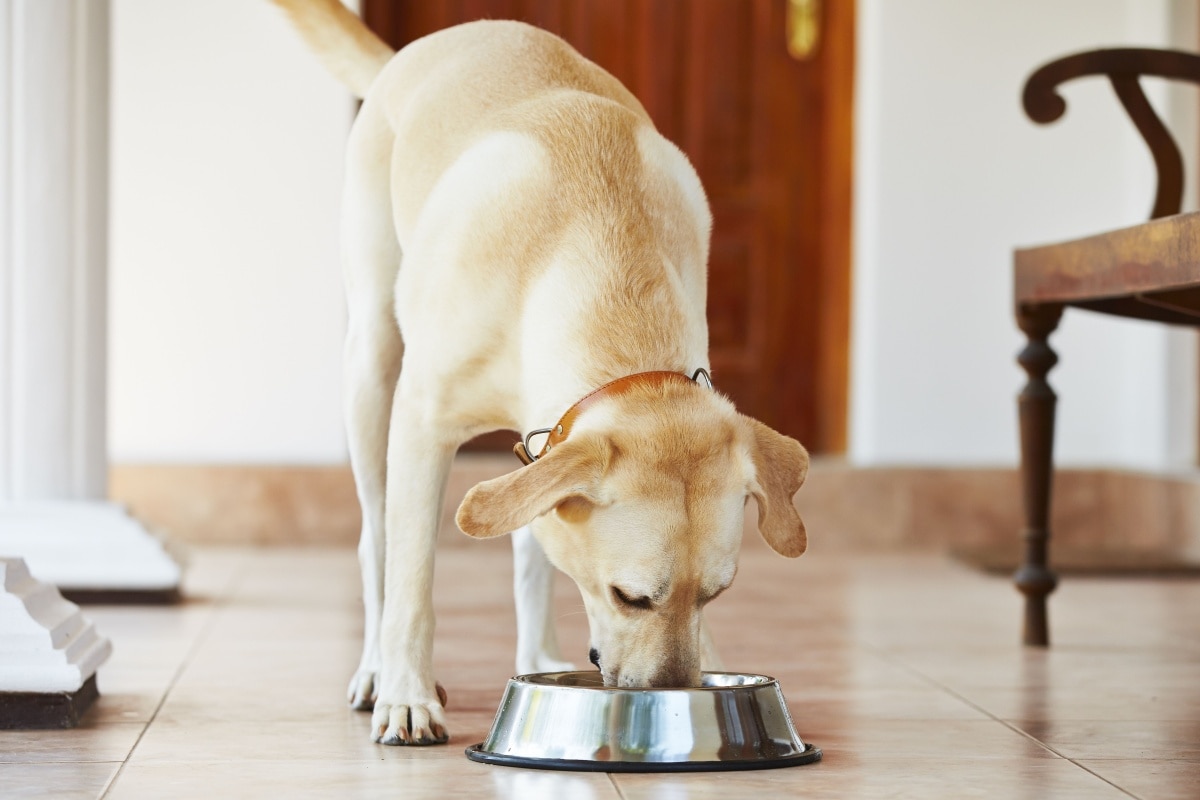
In general, puppies should transition to adult food once they have reached their full-grown size, but the best strategy is to ask your vet about your individual dog. They know that the right timing is less about age and more about your dog's skeletal maturity, body condition and breed size.
Signs your puppy may be getting close to needing adult food include:
Their growth rate has slowed or stopped
They are approaching their expected adult size
They are gaining extra body fat on puppy food
Your vet says their body condition and development look ready to transition to adult food
Their current food no longer matches their life stage
Small and medium dogs often start adult food around 12 months. Large- and giant-breed dogs may need puppy food formulated for large breeds for longer, sometimes for 18 to 24 months, depending on growth and your vet’s recommendation.
Most dogs do better when food is switched slowly from one to the other in changing proportions across several days. Changing foods suddenly can lead to loose stool, gas, or vomiting — and a dog that rejects the new food because it hurt their tummy.
A simple transition plan looks like this:
Days 1-2: Feed 75% current food and 25% new food
Days 3-4: Feed 50% current food and 50% new food
Days 5-6: Feed 25% current food and 75% new food
Day 7: Feed 100% new food
During the transition period, watch your dog’s stool, appetite, energy, skin and overall comfort. If vomiting, persistent diarrhea, itching, appetite loss, or other unusual behavior show up, pause feeding the new food and call your vet.
Association of American Feed Control Officials. “Selecting the Right Pet Food.” Accessed May 27, 2026. https://www.aafco.org/consumers/understanding-pet-food/selecting-the-right-pet-food/
U.S. Food and Drug Administration. “Helping Pets Live Healthier, Thinner Lives: AAHA Nutritional Assessment Guidelines.” Animal & Veterinary: Animal Health Literacy. Last updated May 29, 2024. https://www.fda.gov/animal-veterinary/animal-health-literacy/helping-pets-live-healthier-thinner-lives-aaha-nutritional-assessment-guidelines
Adult dogs can eat puppy food, but that does not mean it is the best choice. Puppy food is made for growth and typically provides more calories than adult dogs need. If an adult dog eats puppy food long-term, unwanted weight gain can become a concern.
When to switch to senior dog food depends on your dog’s size, breed, health, weight, muscle condition and activity level. Many dogs are considered senior somewhere around age 7 and older, but in general, large dogs age faster than small dogs. Ask your vet at your dog’s wellness visits whether a senior or mature adult food makes sense.
Senior dog food is necessary for some dogs and unnecessary for others. A healthy aging dog with ideal body and muscle condition and healthy stool may do well on their current adult food, while another dog the same age may need a food that better supports healthy aging, digestion, weight, or muscle condition. Your vet can help you decide based on your dog, not just their age.
Look at your dog. A good food match will help your dog maintain a healthy body condition, consistent stool, a good appetite, healthy skin and coat and appropriate energy for their age. If your dog gains weight, loses weight, has digestive upset, seems less interested in food, or has changes in coat or activity, it’s time to reassess.

Related Articles
Single protein dog food is made with just one animal protein source and can support your pup's digestion and food sensitivities. Learn more about the benefits of single protein dog food.

Are bananas good or bad for dogs? Find out if it's safe too feed him a banana treat and what to do if he's eaten a whole one, peel and all.
Confused by dog food options? Learn the differences between wet, dry, and fresh foods and how to choose what works best for your dog.
Learn what gently cooked dog food is, how steam-cooked dog food works, and whether it’s safe, digestible, and right for your dog.

Our low calorie formula helps you control your dog's weight. It's packed with high-quality protein for building lean muscles, and made with purposeful ingredients for a flavorful, nutritious meal. Clinically proven antioxidants, Vitamin C+E, help promote a healthy immune system.
