How to Prepare Your Home for Your New Puppy
Expert Reviewed
Written By
Reviewed By

Written By
Reviewed By

Few things match the excitement of bringing home a new puppy. However, you have some work to do to prepare for their homecoming. Puppy-proofing your home and yard before you bring home your new canine companion is crucial to keeping them safe and healthy. Of course, this is a big responsibility, and it can feel overwhelming. If you're looking for a little guidance, here are the most important safety precautions to be aware of to get your home in great shape for your new pup.


One of the main reasons puppies get into trouble is because they love to chew and explore the world with their mouth. This is a normal behavior — it's how they learn! Expect that your new puppy will likely want to chew (and eat) everything in sight. So, the most important thing you can do to puppy-proof your home is to keep potentially dangerous items out of reach and monitor your puppy at all times while they're exploring. You'll also want to provide plenty of safe, approved chew toys to satisfy their urge to chew and soothe sore gums from teething.
Specific hazards to look out for include:

Chewing on electrical cords or outlets can result in burns to the mouth and electrocution, which can be fatal. Cover all cords (be especially careful around the holidays) and electrical outlets. Thermal, or surface, burns may appear yellow, tan or gray around the lips, tongue or gums. Signs of a systemic electrical cord injury (where an electrical current passes through the body, causing internal damage) may include vomiting, seizures, muscle spasms, coughing and fast breathing. If you think your puppy has experienced an electrical cord injury, contact your veterinarian right away.
Antidepressants, anti-anxiety medication, acetaminophen, ibuprofen and marijuana are just a few common household items that are toxic to dogs. Keep these products in locked cabinets out of your puppy's reach. If you suspect that your pup may have ingested any prescription or recreational drugs, contact your vet immediately.
Trash items can smell delicious to puppies, but garbage can make them sick. Keep all trash, including bathroom trash, in tightly closed receptacles or in locked cabinets. Invest in a trash can with a lockable lid, and take all trash with food items out as soon as possible so it doesn't attract curious puppies.
Chocolate, xylitol, onions, garlic, grapes and raisins are some of the top toxic foods for dogs. Butter or other fatty foods can also make your puppy sick. Keep these foods out of reach, and closely monitor your puppy in the kitchen or whenever they're around human food.
Pesticides, herbicides, antifreeze, cleaning supplies and mulch can also make your puppy sick if ingested. Keep them all locked up and out of your puppy's reach. Also, opt for pet-safe products whenever possible.
The ASPCA has a comprehensive list of plants that are toxic to dogs, including iris, elephant ear, and calla lily. Remove these plants from your home and yard or securely bar access (think a wire fence) to avoid accidental ingestion.
Puppies may chew or swallow small items, such as hair ties, coins, craft supplies, sewing supplies, socks and children's toys. These materials can get stuck in your pup's intestinal tract and require emergency surgery to remove. So, keep small items locked away and out of your puppy's reach. Even when your puppy is chewing on an approved, puppy-specific dog toy, supervise them closely to ensure they don't chew it into small enough pieces to pose a choking hazard.
Your puppy will investigate and possibly eat anything they find interesting. So, if you have a cat at home, move items such as cat food and litter boxes to a part of the house your puppy doesn't have access to. If this isn't possible, elevate your cat's food dish to a counter or shelf and consider a top-entry litter box.
If you know or suspect your puppy has ingested something toxic, call your vet, the local emergency clinic or the Pet Poison Helpline at (855) 764-7661 for advice. If your puppy is acting sick in any way — including vomiting, diarrhea, loss of appetite, drooling, seizures, weakness or incoordination — take them to the closest emergency clinic immediately.

"Even after you've puppy-proofed your home, closely supervise your new puppy at all times while they're exploring."

In addition to chewing and swallowing hazards, your home may have tipping or falling hazards. These can include:
Secure any and all heavy furniture, such as bookcases, to the wall to ensure they don't fall over unexpectedly.
If you have a pool or other body of water in your backyard, you also have a drowning hazard. Keep bodies of water strictly off-limits to your puppy when they're unsupervised.
Stairs can pose a falling hazard to small puppies. Place a baby gate at the bottom of the staircase to bar access. Do this for any other areas in your home that might pose a falling risk, such as a balcony.

Again, it's best to consider everything in sight a potential chew toy. From your grandmother's old coat to your favorite pair of shoes, anything within reach can fall victim to puppy teething. Get down on all fours and look at the world through your puppy's eyes. Pick things up off the floor, close closet doors and find new places to store breakable items.
Even after you've puppy-proofed your home, closely supervise your new puppy at all times while they're exploring. A crate is a wonderful tool to help keep your puppy safe when you can't supervise them directly. So, start crate training your puppy as soon as you bring them home. This will help them see it as a place of comfort. New puppies tire easily and need to have a place to rest and retreat from the world, so make sure their crate is always readily accessible.
Every dog is different, but in general, puppies chew until they're finished teething at around 8 to 10 months of age. In the meantime, remember: If it shouldn't be licked, chewed or tipped over, it should be out of reach of your new puppy. Knowing they're out of harm's way makes those puppy moments that much sweeter!

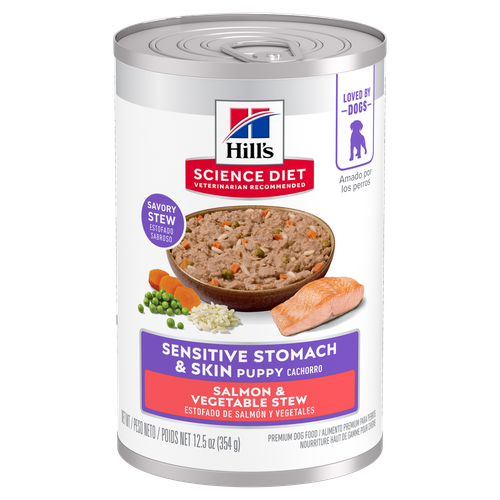
Science-backed nutrition tailored for skin and digestive health, packed with clinically proven, immune system supporting antioxidants.
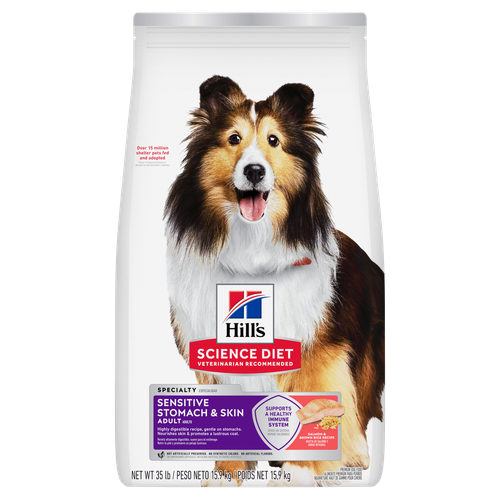
Science-backed nutrition tailored for skin and digestive health, packed with clinically proven, immune system supporting antioxidants.
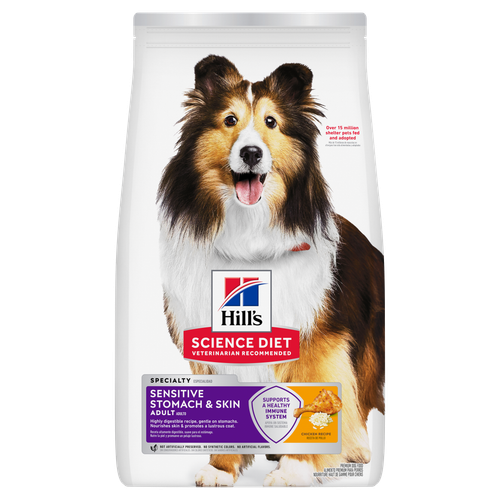
Science-backed nutrition tailored for skin and digestive health, packed with clinically proven, immune system supporting antioxidants.
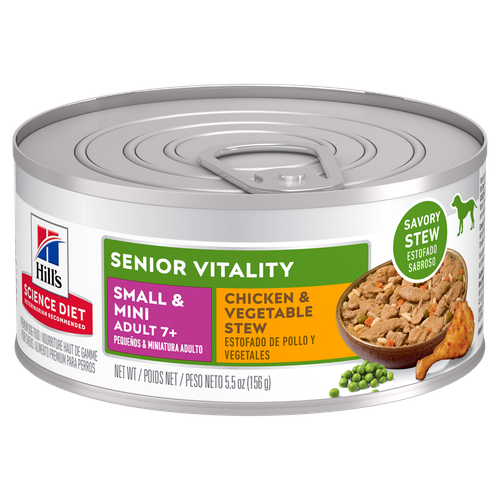
Nutrition that helps a senior dog's everyday ability to get up and go

Proper nutrition for your pregnant or nursing dog is vital to her and her puppy's health. Learn what you should do provide her with the proper nutrients.

Understand the role that Omega-6 and Omega-3 fatty acids play in your dog's overall health, and how you can ensure they are getting enough.
Learn about Hill's puppy food and the nutritional benefit & high quality ingredients that it contains for your pup.

Learn about choosing the right dog food to help ensure your adult dog will receive the correct balance of nutrition.

Our low calorie formula helps you control your dog's weight. It's packed with high-quality protein for building lean muscles, and made with purposeful ingredients for a flavorful, nutritious meal. Clinically proven antioxidants, Vitamin C+E, help promote a healthy immune system.
Our low calorie formula helps you control your dog's weight. It's packed with high-quality protein for building lean muscles, and made with purposeful ingredients for a flavorful, nutritious meal. Clinically proven antioxidants, Vitamin C+E, help promote a healthy immune system.
