Your Dog in Pain: Recognizing & Relieving
Expert Reviewed
Written By
Reviewed By

Written By
Reviewed By


When your best friend is hurting, you want to help. And although it's easy to either take a Tylenol, chew a Tums, or pop a cough drop when you're not feeling well, it's not as easy to know how to help a dog who needs pain relief. Here's what you can do for dog in pain:
Some breeds will let you know that something isn't right–through actions like yipping, barking, or acting panicked in general. Most dogs handle it almost stoically, though, not letting on that they're in pain. They may be completely unable to tell you they're in distress. Luckily, there are signs a dog isn't feeling well. Subtle signs of a dog in pain include:
Just remember the signs of an unwell pup might only be noticeable by you–the one who knows your dog best.
Ultimately, make an appointment to see your vet if you see any of these signs of pain in your dog. Your vet can determine the underlying issue causing the discomfort. Sometimes injuries are apparent–a wound or broken bone, for instance–whereas other causes might not be so noticeable. Typical issues that cause dogs to suffer include:


Among the most common medications your vet might recommend for your pet's pain are nonsteroidal anti-inflammatory drugs (or NSAIDs), which offer relief similar to your own Ibuprofen or Aleve. PetMD suggests these medications can help reduce pain, swelling, stiffness, and any joint discomfort he may be feeling. Some NSAIDs created specifically for dogs include carprofen, deracoxib, firocoxib, and meloxicam. Many commonly used human approved NSAIDs may be toxic to your dog, however, so don't just use your pain medication–speak to your veterinarian first. The Food and Drug Administration (FDA) has an easy way to remember the signs of worrisome side effects of NSAIDs with the acronym, "BEST":
Stop using the medication and call your vet immediately if you see any of these issues.
Although pain medications may work as a temporary fix, the ultimate goal is permanent dog pain relief. You may work toward this goal with a change in food. Your dog's pain might be alleviated by changing his food. Products that are high in omega-3s, according to Dr. Donna Solomon in the Huffington Post, can help reduce pain by alleviating joint inflammation.
You can also help ease some pain with some careful weight management. Extra pounds can cause painful health issues like pancreatitis and a sliding kneecap to worsen. If your dog needs to lose weight, try a food specially formulated to help your dog shed it in a healthy way, such as Hill's® Science Diet® Adult Perfect Weight.
Another option is physical therapy. This may also help in your dog's comfort when dealing with recovery from injury or with arthritis. Ask your veterinarian about physical therapy treatments.
What Not to Do
You might be tempted to give your dog something from your own medicine cabinet if he's in pain. Not so fast. Although dog-approved NSAIDs are similar to common over-the-counter medications you might buy for yourself, the human variety can be very dangerous to a dog. This is because the dosages needed by dogs may be very different than those of a human, or the metabolism of the drug may be different. Just one pill could exacerbate health issues and even result in death.
Never give pain medication to your pet without first consulting your veterinarian. The veterinarian most familiar with your dog's health concerns should be able to tell you the proper medicine as well as dosage to provide your dog to ensure it accurately treats his pain.
You know your canine companion best. If you feel like something is wrong with him, trust your instinct and remember signs of pain in a dog can be subtle. A call to your vet is always a safe bet.

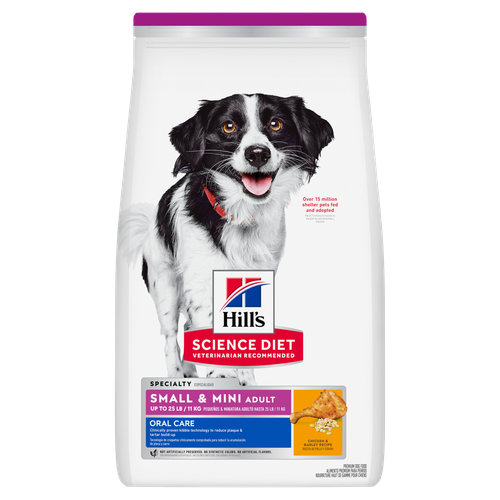
Clinically proven kibble technology to reduce plaque & tartar build-up, specially designed for small & mini dogs
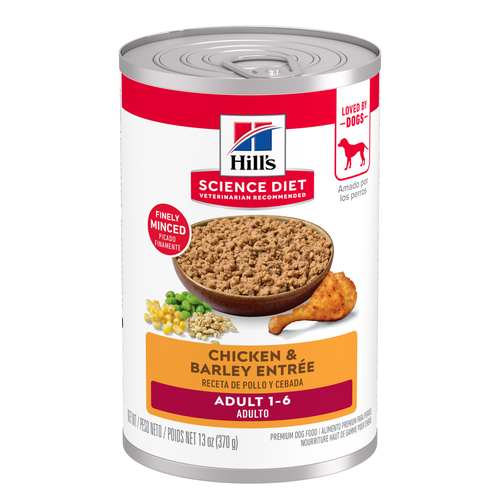
Chicken & Barley Entrée in a delicious loaf with precisely balanced nutrition to keep adult dogs active and healthy
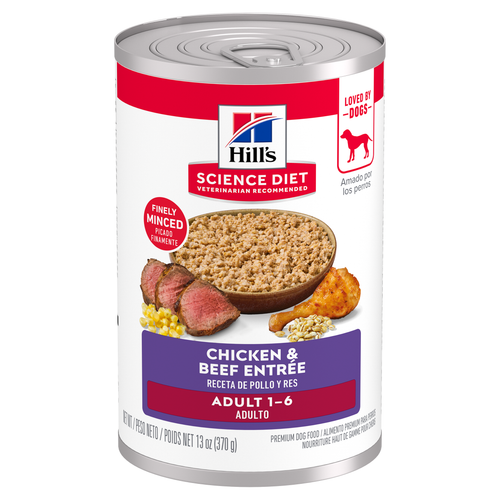
Chicken & Beef Entrée in a delicious loaf with complete & balanced nutrition to help keep adult dogs active and healthy

Supports healthy joints, lean muscle, and beautiful coat for large breed dogs

Learn about Hill's puppy food and the nutritional benefit & high quality ingredients that it contains for your pup.

Learn about choosing the right dog food to help ensure your adult dog will receive the correct balance of nutrition.

Proper nutrition for your pregnant or nursing dog is vital to her and her puppy's health. Learn what you should do provide her with the proper nutrients.
Understand the role that Omega-6 and Omega-3 fatty acids play in your dog's overall health, and how you can ensure they are getting enough.

Our low calorie formula helps you control your dog's weight. It's packed with high-quality protein for building lean muscles, and made with purposeful ingredients for a flavorful, nutritious meal. Clinically proven antioxidants, Vitamin C+E, help promote a healthy immune system.
Our low calorie formula helps you control your dog's weight. It's packed with high-quality protein for building lean muscles, and made with purposeful ingredients for a flavorful, nutritious meal. Clinically proven antioxidants, Vitamin C+E, help promote a healthy immune system.
