Blood in Dog Urine: What Should You Do?
Expert Reviewed
Written By
Reviewed By

Written By
Reviewed By


If you're a dog parent, you might find your dog peeing blood at some point. But, while blood in dog urine is a scary sight, it's often a sign of something treatable. A simple urinary tract infection or a benign prostate problem can be the cause.
Hematuria is a term used to describe when blood appears in a dog's urine. This is often due to inflammation or infection in the urinary system which could include the upper or lower urinary tract. The presence of blood in the urine or hematuria should be evaluated by your veterinarian to identify the cause and provide recommendations to help your dog.
Here are common causes of blood in dog urine, what you should do if it affects your dog and the treatments your veterinarian may recommend.
As in humans, a dog's upper urinary tract contains two kidneys. Blood in urine originating in this part of the urinary tract tends to affect the kidneys. Some causes for bleeding in the upper urinary tract include:
The lower urinary tract includes the bladder and the urethra, the tube that connects the bladder to the outside world and allows urine to exit the body. Causes for bleeding here include the following:
Causes for blood in dog urine that can affect both the upper and lower urinary tracts include a ruptured bladder, which can happen if they're hit by a car or attacked by another dog; coagulopathy (a scientific word that essentially means clotting problems); and vasculitis, or inflammation of the blood vessels.


Taking your dog for regular veterinary checkups is the best way to prevent blood in their urine and other urinary problems.
If you see your dog peeing blood, contact your veterinarian to make an appointment as soon as possible. As a general rule, any dog peeing blood for the first time should be seen by a veterinarian within 24 hours.
At the visit, the veterinarian will try to diagnose the underlying cause of the blood by analyzing your dog's urine. A urine culture may be recommended to see if bacteria might be causing the issue. They may also conduct a blood test or take an X-ray or an ultrasound.
Treatment depends on the specific cause of the blood. The veterinarian may prescribe antibiotics if the issue is related to bacteria. In cases of benign prostate enlargement and prostate neoplasia, they are likely to recommend neutering. Sometimes bloody urine may be caused by bladder stones, of which there are several types. Veterinarians commonly prescribe anti-inflammatory or pain medicine to ease dogs' discomfort.
Your veterinarian may also recommend a change in food. Nutrition is an important component in managing urinary tract problems in dogs. Wet foods can help achieve more dilute urine, and certain foods can reduce stone formation and optimize urine pH.
Taking your dog for regular veterinary checkups is the best way to prevent blood in their urine and other urinary problems. Your veterinarian can tell you if your dog is predisposed to urinary issues. If they are, the veterinarian can routinely test your dog's urine to make sure they're in tip-top health.
Also, while it may be easy to just let your dog in the backyard to do their business alone, monitoring your dog's urinary habits occasionally is a necessary part of being a dog parent. Letting an issue like blood in the urine persist can lead to more serious consequences. You are your dog's first line of defense to their health, so careful monitoring and discussions with your veterinarian are pertinent. With love and attention, you can help keep your dog happy and healthy.

Related products

Supports healthy joints, lean muscle, and beautiful coat for large breed dogs
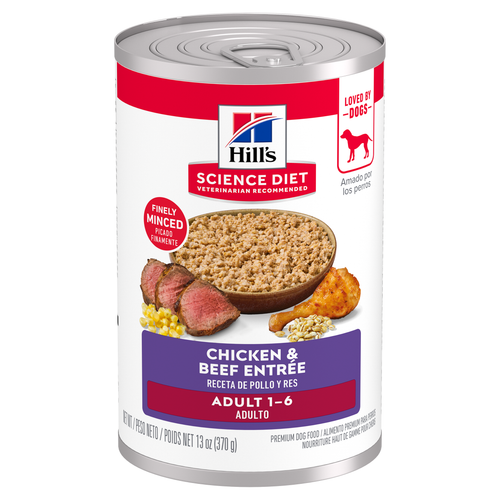
Chicken & Beef Entrée in a delicious loaf with complete & balanced nutrition to help keep adult dogs active and healthy
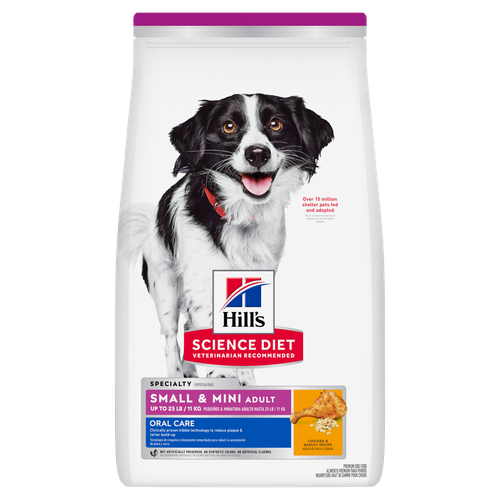
Clinically proven kibble technology to reduce plaque & tartar build-up, specially designed for small & mini dogs
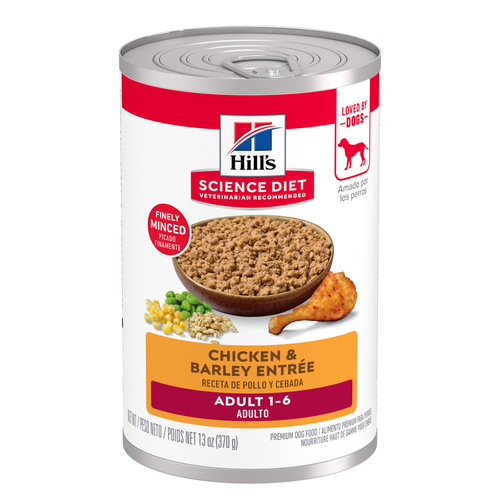
Chicken & Barley Entrée in a delicious loaf with precisely balanced nutrition to keep adult dogs active and healthy
Related articles

Learn how the science of predictive biology plays a role in formulating your pet's food to interact and work with your pet's biological process.

Compare Hill's Science Diet dog and cat food's calories against other pet food brands and AAFCO recommended maximum calorie count.

Discover how and where to store your dry, as well as canned, dog and cat food. Learn how to find the best before dates on all Hill's pet food packaging.

Learn what a pet's microbiome is, how it contributes to your pet's gut & overall health, and why nutrition is important in maintaining healthy microbiomes.

Read reviews from the experts and see why Hill's is the #1 Veterinarian Recommended brand.
